

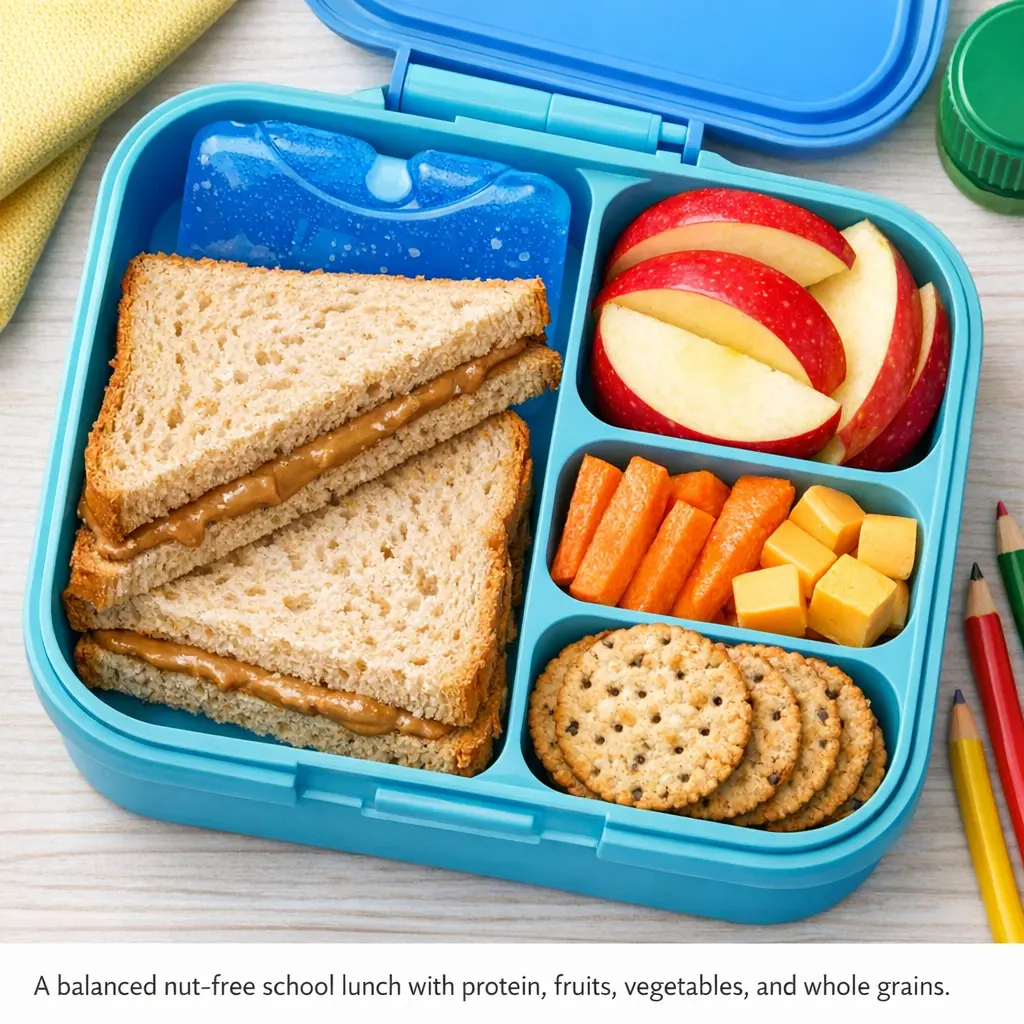
Understanding Nut-Free School Policies
Many schools implement nut-free policies to protect students with severe food allergies. These policies typically prohibit peanuts and tree nuts, which include almonds, cashews, walnuts, pecans, pistachios, hazelnuts, macadamias, and Brazil nuts. Creating safe and delicious nut-free school lunch ideas requires understanding these restrictions while maintaining nutritional quality and taste.
Schools adopt nut-free policies because peanut and tree nut allergies affect approximately 1-2% of children and can cause life-threatening anaphylactic reactions. Even trace amounts can trigger severe responses in allergic individuals, making strict avoidance essential in shared environments.
What you need to know:
- Nut-free policies vary by school district and individual schools
- Some schools ban all nuts, while others only restrict certain types
- Policies may extend to seeds, coconut, or products with cross-contamination warnings
- Classroom parties, snacks, and birthday treats often follow the same guidelines
Common policy variations:
Most nut-free schools allow sunflower seed butter and soy nut butter as safe alternatives. However, always verify with your specific school before introducing new products. Some schools with students who have multiple allergies may restrict seeds as well.
Coconut, despite its name, is botanically a fruit (drupe) and not a tree nut. The FDA does not classify coconut as a tree nut allergen. Most nut-free policies permit coconut products, but confirm with your school administrator if uncertain.
Professional tip: Contact your school nurse or administrator at the beginning of each school year to obtain the current nut-free policy in writing. Policies can change based on enrolled students’ specific allergies.
Action steps:
- Request written documentation of your school’s nut-free policy
- Ask about “may contain” warning acceptability
- Clarify seed, coconut, and legume status
- Determine if sharing or trading food is permitted
- Understand consequences for policy violations
Common mistake: Assuming all schools define “nut-free” identically. Requirements vary significantly between districts.
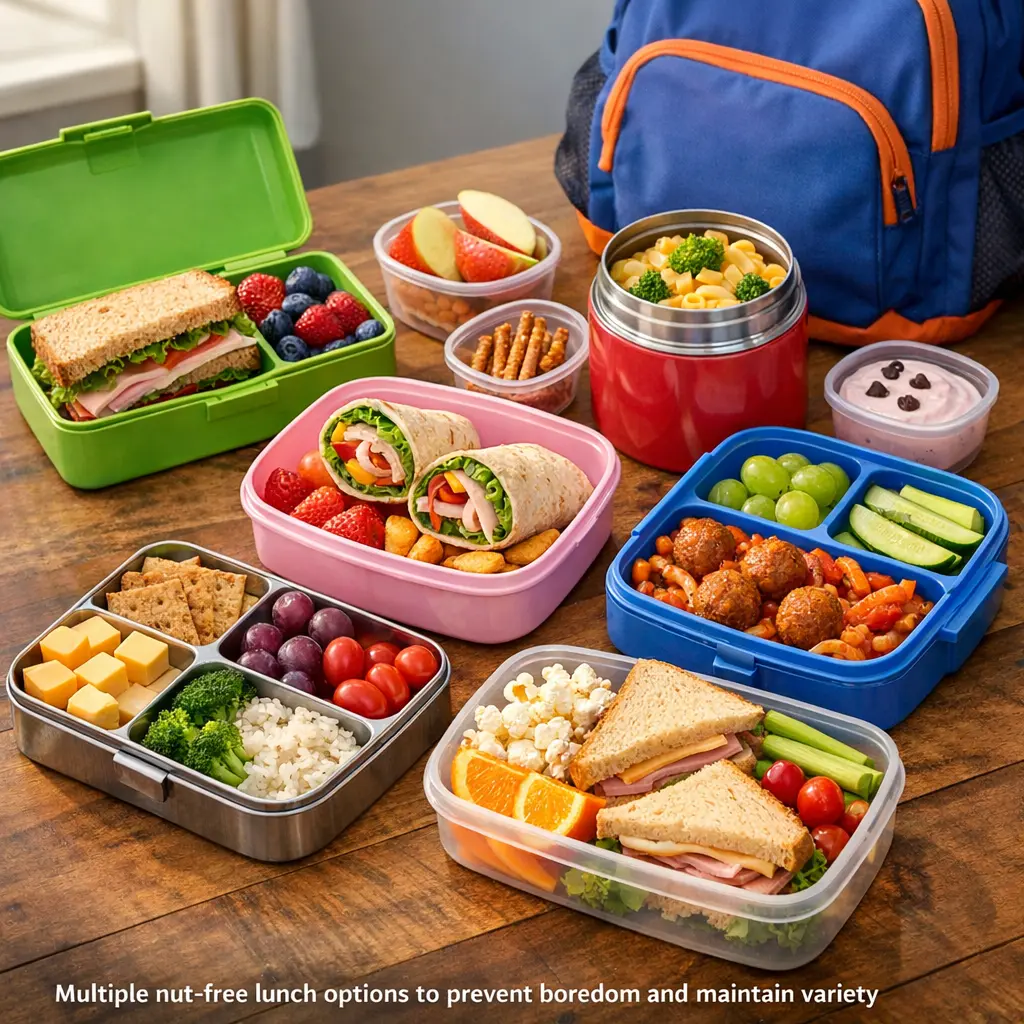
Label Reading and Cross-Contamination Prevention
Ensuring lunch safety requires careful label reading and contamination prevention practices at home. The Food Allergen Labeling and Consumer Protection Act (FALCPA) requires manufacturers to clearly identify major allergens, including peanuts and tree nuts, on packaging.
How to read labels correctly:
Look for three key areas on packaging:
- Ingredient list: Nuts must be listed by common name if present as ingredients
- Contains statement: Appears after ingredients, listing major allergens present
- May contain warnings: Voluntary statements about cross-contamination risk during manufacturing
Example of safe label reading:
Check both the front packaging and the detailed ingredient panel. Products marketed as “nut-free” should still be verified through ingredient lists, as formulations change and manufacturing facilities may process multiple products.
Benefits of thorough label reading:
- Prevents accidental allergen exposure
- Builds awareness of hidden nut ingredients
- Creates confidence in food safety
- Teaches children to self-advocate as they grow
Limitations:
“May contain” warnings are voluntary, meaning absence of such warnings doesn’t guarantee zero cross-contamination risk. Companies use different warning languages, creating inconsistency.
Cross-contamination prevention at home:
Dedicate preparation spaces and tools for nut-free lunch assembly if other household members consume nuts:
- Clean all surfaces with soap and water before preparing nut-free foods
- Use separate cutting boards or thoroughly wash shared boards
- Wash hands for at least 20 seconds with soap before and after preparation
- Use dedicated utensils or clean shared utensils thoroughly
- Store nut-free items separately from products containing nuts
- Pack lunches first before preparing other foods if nuts are present in your home
Professional tip: Standard cleaning with soap and water effectively removes allergen residue. Specialized cleaners are unnecessary for most home environments.
Quick summary: Safe nut-free lunches depend on both purchasing verified nut-free products and preventing cross-contamination during preparation and packing.
Hidden ingredients that may contain nuts:
- Natural flavoring
- Specialty oils
- Ethnic cuisine ingredients (satay sauce, pesto, mole)
- Baked goods from bakeries with shared equipment
- Chocolate products manufactured in facilities processing nuts
- Granola and trail mix components
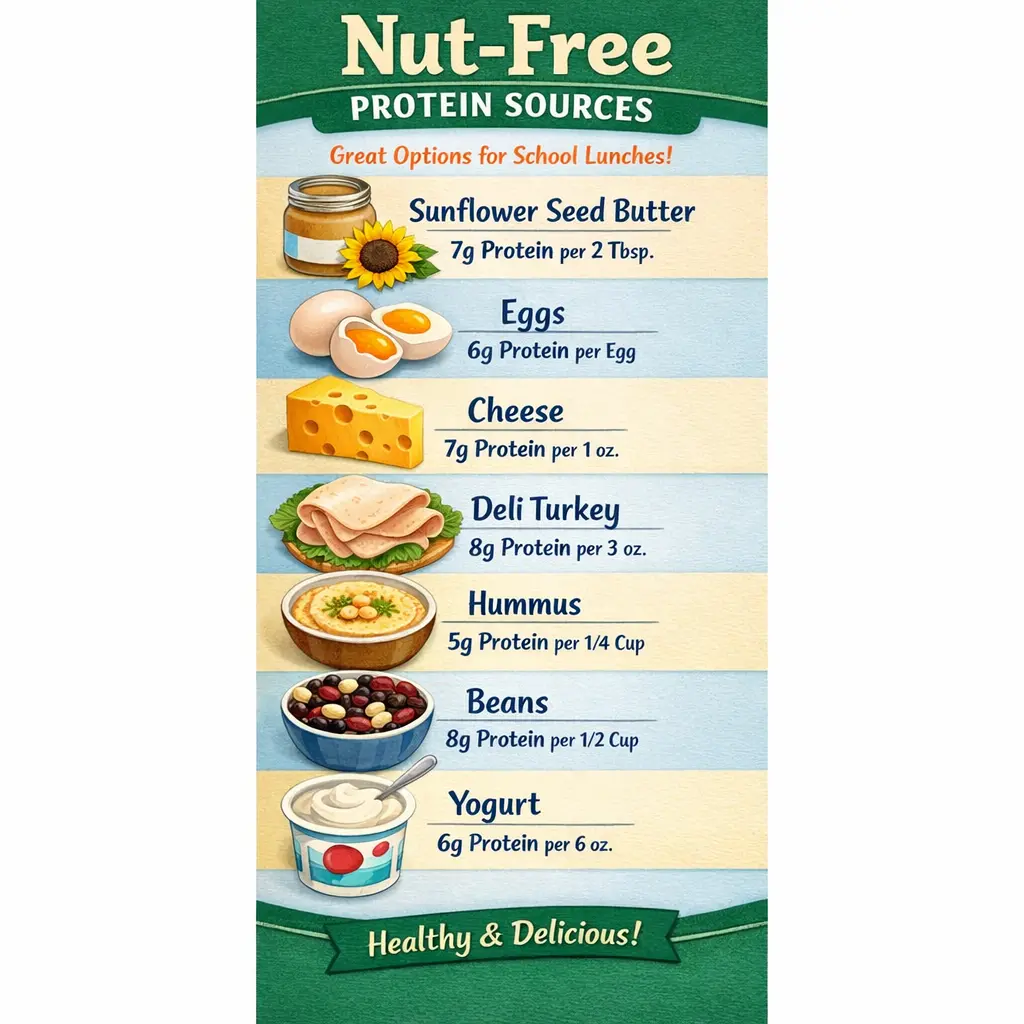
Nut-Free Protein Sources for School Lunches
Providing adequate protein without nuts requires incorporating diverse alternatives. Children need protein for growth, energy, and concentration throughout the school day.
Top nut-free protein sources:
Seed butters:
- Sunflower seed butter (SunButter, 88 Acres)
- Soy nut butter (I.M. Healthy SoyNut Butter)
- Pumpkin seed butter
- Tahini (sesame seed butter)
These spreads offer similar texture and use as peanut butter while remaining safe for nut-free environments. Sunflower seed butter provides 7 grams of protein per 2-tablespoon serving, comparable to peanut butter.
Dairy proteins:
- String cheese (6-8g protein per stick)
- Greek yogurt (15-20g protein per cup)
- Cottage cheese (14g protein per 1/2 cup)
- Regular cheese slices or cubes (6-7g per ounce)
- Milk (8g protein per cup)
Meat and poultry:
- Deli turkey or chicken (8-10g per 2 ounces)
- Grilled chicken strips (14g per 2 ounces)
- Ham slices (10g per 2 ounces)
- Roast beef (12g per 2 ounces)
- Pepperoni (5g per 10 slices)
- Salami (7g per 2 ounces)
Eggs:
- Hard-boiled eggs (6g protein per egg)
- Egg salad sandwiches
- Scrambled eggs in thermos containers
Plant-based proteins:
- Hummus (4g per 1/4 cup)
- Black beans (7g per 1/2 cup)
- Chickpeas (6g per 1/2 cup)
- Edamame (9g per 1/2 cup)
- Lentils (9g per 1/2 cup cooked)
- Tofu (10g per 1/2 cup)
Professional tip: Combine complementary proteins (like beans and rice) to provide complete amino acid profiles in plant-based lunches.
Common mistake: Relying solely on one protein source. Variety ensures broader nutrient intake and prevents taste fatigue.
Benefits of diverse protein sources:
- Prevents lunch boredom
- Provides different nutrient profiles
- Accommodates changing preferences
- Offers backup options when favorites run out
Action steps:
- Stock 3-4 different protein sources weekly
- Rotate proteins daily for variety
- Prep proteins in advance (boil eggs, cook chicken, portion cheese)
- Keep emergency backup proteins in the pantry
Sandwich and Wrap Ideas
Sandwiches and wraps form the foundation of many school lunches. These portable options are easy to prepare and customize based on preferences.
Classic sandwich combinations:
Sunflower seed butter sandwiches:
- Sunflower seed butter and jam
- Sunflower seed butter and honey
- Sunflower seed butter and sliced banana
- Sunflower seed butter and apple slices
Deli meat sandwiches:
- Turkey and cheese with lettuce and tomato
- Ham and Swiss with mustard
- Roast beef and cheddar with pickles
- Chicken and provolone with mayonnaise
Egg-based sandwiches:
- Classic egg salad
- Hard-boiled egg slices with cheese
- Scrambled egg and cheese (serve cold or pack in thermos)
Cheese sandwiches:
- Grilled cheese (packed cold or in thermos)
- Cream cheese and cucumber
- Cheese and tomato
- Multiple cheese varieties with lettuce
Alternative spreads:
- Hummus with sliced vegetables
- Cream cheese with jam
- Mashed avocado (guacamole)
- Tahini with honey
Wrap variations:
Use tortillas, flatbreads, or lavash for wrapped lunches:
- Turkey ranch wrap: Turkey, shredded cheese, lettuce, ranch dressing
- Pizza wrap: Tomato sauce, mozzarella, pepperoni, Italian seasoning
- Chicken Caesar wrap: Grilled chicken, romaine, parmesan, Caesar dressing (nut-free variety)
- Veggie hummus wrap: Hummus, cucumber, carrots, bell peppers, lettuce
- Ham and cheese roll-up: Ham, cream cheese, shredded cheese, rolled tight and sliced into pinwheels
- Breakfast wrap: Scrambled eggs, cheese, diced ham or sausage
Professional tip: Cut sandwiches and wraps into fun shapes using cookie cutters to increase appeal for younger children.
Bread alternatives for variety:
- Bagels
- English muffins
- Pita pockets
- Crackers (for open-faced combinations)
- Rice cakes
- Naan bread
- Croissants (verify nut-free)
Common mistake: Using the same bread daily. Rotate bread types to maintain interest.
Example meal combination:
Sunflower seed butter and strawberry jam sandwich on whole wheat bread, with baby carrots, string cheese, apple slices, and a small cookie for dessert.
Hot Lunch Options
Hot lunches provide comforting variety, especially during colder months. Insulated thermoses keep foods warm for 4-6 hours when properly preheated.
How to pack hot lunches:
- Boil water and pour into thermos
- Let stand 5-10 minutes to preheat
- Empty water and immediately add hot food
- Seal tightly
- Pack upright in lunch bag
Hot lunch ideas:
Pasta dishes:
- Mac and cheese
- Spaghetti with marinara sauce
- Pasta with butter and parmesan
- Chicken alfredo (nut-free sauce)
- Cheese tortellini with sauce
Soups:
- Chicken noodle soup
- Tomato soup
- Minestrone
- Vegetable beef soup
- Broccoli cheddar soup
- Cheese tortellini soup
Rice bowls:
- Chicken fried rice
- Cheese and rice
- Teriyaki chicken with rice
- Bean and rice burrito bowl
- Chicken and vegetable rice
Hot proteins:
- Chicken nuggets or tenders
- Meatballs in marinara sauce
- Mini corn dogs
- Sausage pieces
- Grilled chicken strips
Other hot options:
- Quesadilla pieces
- Cheese pizza slices
- Scrambled eggs with cheese
- Bean and cheese burrito (cut into pieces)
- Cheesy broccoli and rice
Benefits of hot lunches:
- Provides comfort and warmth
- Increases vegetable acceptance
- Offers different textures
- Expands meal variety
Limitations:
- Requires thermos investment
- Needs morning preparation time
- Some foods don’t maintain texture well
- Spill risk if thermos not sealed properly
Professional tip: Pack a small ice pack alongside the thermos (not touching) to keep accompanying cold items fresh while the main dish stays hot.
Action steps for successful hot lunches:
- Invest in quality insulated thermos (Thermos brand, Zojirushi)
- Test temperature retention on weekends
- Prep hot items while making breakfast
- Send spoon or fork appropriate for meal
- Include napkins for potential spills
Cold Lunch Combinations
Cold lunches offer convenience and variety without requiring thermoses or reheating. These combinations work well for busy mornings and diverse preferences.
Protein-focused cold lunches:
DIY lunchables:
Create homemade versions with better nutrition:
- Crackers, deli meat, cheese slices, plus grapes
- Pretzels, turkey cubes, cheddar cubes, plus strawberries
- Pita chips, hummus, cucumber slices, cherry tomatoes
Salad combinations:
- Pasta salad with cheese, vegetables, and Italian dressing
- Chicken pasta salad
- Egg salad with crackers
- Tuna salad with crackers (verify school fish policies)
- Cheese and vegetable pasta salad
Yogurt-based meals:
- Greek yogurt parfait with granola (nut-free) and berries
- Yogurt with fruit and crackers on side
- Cottage cheese with fruit and pretzels
Roll-ups and pinwheels:
- Ham and cream cheese roll-ups
- Turkey and cheese roll-ups
- Cheese and veggie roll-ups
- Pizza roll-ups (tortilla with sauce, cheese, pepperoni)
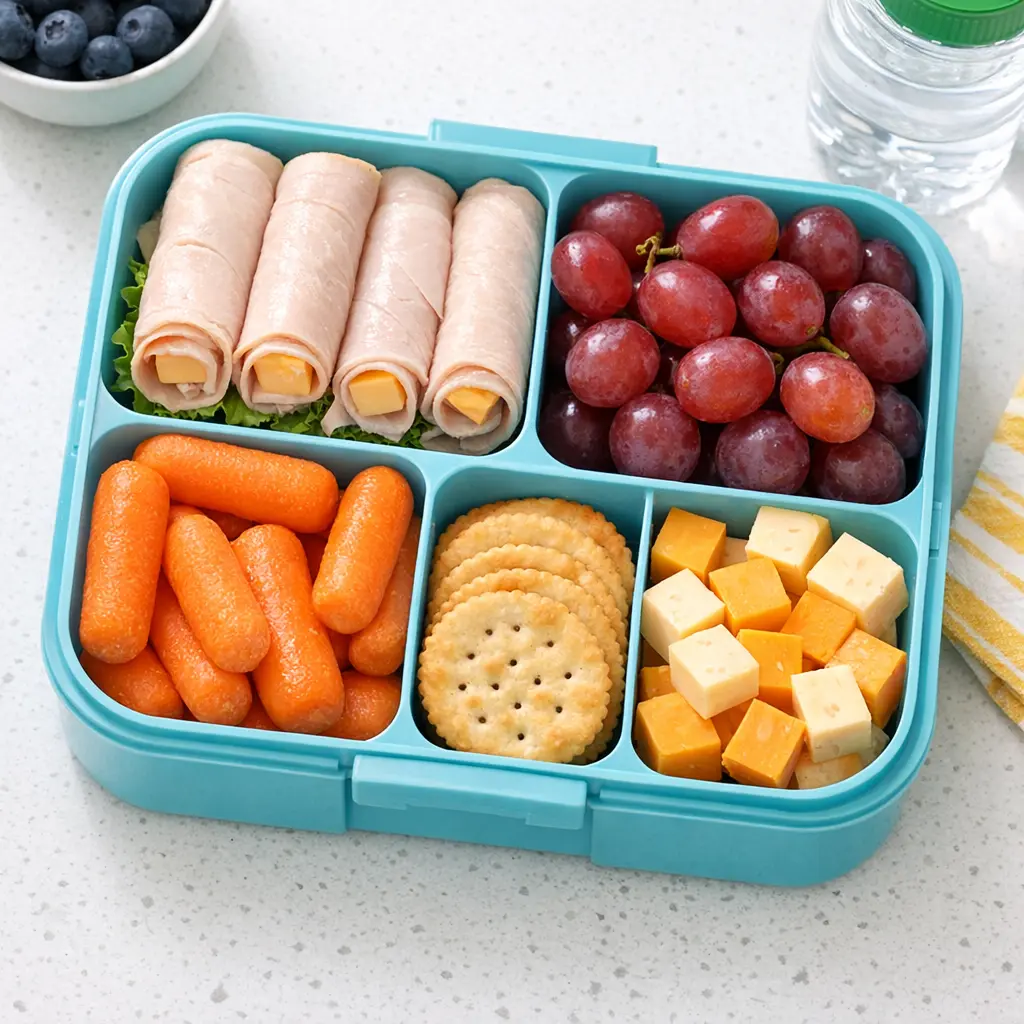
Bento-style combinations:
Mix small portions of multiple items:
- Cheese cubes, crackers, grapes, pretzels, cucumber
- Hard-boiled egg, cherry tomatoes, crackers, cheese stick, apple slices
- Pepperoni slices, cheese cubes, strawberries, crackers, carrots
- Hummus, pita chips, bell pepper strips, cheese, blueberries
Benefits of cold lunch variety:
- No special containers required
- Quick morning assembly
- Less morning stress
- Easy temperature maintenance
Professional tip: Use divided containers (bento boxes, Planet Box, Yumbox) to keep components separated and portions appropriate.
Quick assembly strategy:
Prep components Sunday evening:
- Wash and cut vegetables
- Portion crackers into small bags
- Cut cheese into cubes
- Boil eggs for the week
- Prepare pasta salad in bulk
Example three-day cold lunch rotation:
- Monday: Turkey and cheese sandwich, baby carrots, grapes, pretzels
- Tuesday: Pasta salad, string cheese, strawberries, crackers
- Wednesday: Ham and cheese roll-ups, cucumber slices, apple, yogurt
Bento Box Ideas
Bento-style lunches provide balanced nutrition through varied, colorful components in portioned compartments. This approach encourages eating diverse foods and makes lunches visually appealing.
Bento box formula:
- 1 protein source
- 1-2 fruits
- 1-2 vegetables
- 1 grain/carbohydrate
- 1 treat (optional)
Complete bento box examples:
Example 1 – Pizza theme:
- Pizza roll-ups (tortilla with sauce, cheese, pepperoni)
- Mozzarella cheese cubes
- Cherry tomatoes
- Red grapes
- Breadstick
Example 2 – Rainbow bento:
- Grilled chicken strips
- Strawberries (red)
- Cheddar cheese cubes (orange/yellow)
- Snap peas (green)
- Blueberries (blue)
- Crackers
Example 3 – Breakfast for lunch:
- Mini pancakes (syrup in separate container)
- Turkey sausage pieces
- Sliced strawberries
- Yogurt tube
- Mini muffin (nut-free)
Example 4 – Deli bento:
- Turkey and cheese cubes
- Crackers
- Hummus (small container)
- Baby carrots
- Grapes
- Mini cookies
Example 5 – Pasta bento:
- Cold pasta salad
- String cheese
- Apple slices
- Cucumber rounds
- Pretzels
Popular bento box containers:
- Yumbox (leakproof, portion-controlled)
- Planet Box (stainless steel, durable)
- Bentgo Kids (colorful, affordable)
- Easy Lunchboxes (simple, budget-friendly)
Benefits of bento approach:
- Encourages balanced eating
- Increases vegetable consumption
- Provides variety in single meal
- Appeals to picky eaters through choice
- Reduces packaging waste
Limitations:
- Requires more initial investment in containers
- Takes slightly longer to assemble
- Needs more ingredient variety on hand
Professional tip: Involve children in selecting one component for their bento box. Choice increases lunch consumption and reduces waste.
Common mistake: Overfilling compartments. Leave slight space to prevent food from appearing smashed or unappealing.
Allergy-Friendly Snacks and Sides
Snacks and side items complete lunches by adding nutrition, satisfaction, and variety. Selecting safe options requires label verification for each product.
Safe packaged snacks:
Crackers and chips:
- Goldfish crackers (original, colors, flavors)
- Ritz crackers
- Wheat Thins
- Triscuits
- Pretzels (mini, sticks, twists)
- Tortilla chips
- Pita chips
- Rice crackers
- Veggie straws
Sweet treats:
- Enjoy Life cookies (top allergen-free brand)
- Oreos (surprisingly nut-free in many varieties)
- Graham crackers
- Animal crackers
- Fig bars
- Fruit snacks
- Applesauce pouches
- Jell-O cups
Savory options:
- Popcorn (plain, lightly buttered, or flavored)
- Roasted chickpeas
- Sunflower seeds (if permitted)
- Pumpkin seeds (if permitted)
- Cheese crackers
- Pepperoni slices
- Cheese cubes
Fresh snacks:
- Apple slices (with lemon juice to prevent browning)
- Grapes (cut for young children)
- Strawberries
- Blueberries
- Raspberries
- Watermelon cubes
- Cantaloupe cubes
- Orange sections
- Clementines
- Banana
- Baby carrots
- Cucumber slices
- Bell pepper strips
- Cherry tomatoes
- Snap peas
- Celery sticks
Dips and spreads:
- Ranch dressing
- Hummus
- Guacamole
- Salsa
- Cream cheese
- Cheese sauce
- Sunflower seed butter
Dairy snacks:
- String cheese
- Cheese cubes
- Yogurt tubes
- Yogurt cups
- Cottage cheese
- Pudding cups
Professional tip: Pre-portion snacks into small reusable containers or bags on Sunday to grab-and-go throughout the week.
Action steps for snack safety:
- Create approved snack list for your household
- Check labels each time you purchase (formulations change)
- Store approved snacks in designated area
- Photograph safe product labels for reference while shopping
- Join nut-free family social media groups for product recommendations
Common mistake: Assuming all products within a brand are equally safe. Individual varieties may have different allergen profiles.
Dairy-Free and Nut-Free Options
Some children require both dairy-free and nut-free lunches due to multiple allergies or dietary restrictions. These combinations need careful planning to ensure adequate nutrition.
Dairy-free protein sources:
- Deli meats (verify no milk ingredients)
- Chicken or turkey pieces
- Hard-boiled eggs
- Beans (black, pinto, kidney)
- Lentils
- Chickpeas
- Hummus
- Tofu
- Edamame
- Dairy-free cheese alternatives (Daiya, Violife)
Dairy-free and nut-free lunch ideas:
Sandwiches:
- Sunflower seed butter and jelly
- Turkey and avocado
- Chicken and hummus
- Egg salad (made with dairy-free mayo)
- Deli meat with dairy-free cheese
Hot options:
- Pasta with marinara sauce (dairy-free)
- Chicken and rice
- Bean and rice burrito
- Vegetable soup with chicken
- Chicken noodle soup
Cold combinations:
- Pasta salad with vegetables and Italian dressing
- Chicken pieces with crackers, fruit, and veggies
- Hummus with pita chips and vegetables
- Rice and beans with salsa
Dairy-free sides and snacks:
- Fresh fruits and vegetables
- Applesauce
- Fruit cups
- Pretzels
- Dairy-free crackers
- Popcorn
- Dairy-free cookies (Enjoy Life brand)
- Coconut yogurt alternatives
Professional tip: Coconut milk-based yogurts provide probiotics and protein similar to dairy yogurt. Brands include So Delicious and Coconut Collaborative.
Nutritional considerations:
Without dairy, ensure calcium intake through:
- Fortified dairy-free milk alternatives (send in thermos)
- Calcium-set tofu
- Fortified orange juice
- Leafy greens (spinach in wraps or pasta)
- Canned salmon with bones (verify school fish policy)
Example dairy-free, nut-free weekly rotation:
- Monday: Sunflower seed butter and strawberry jam sandwich, apple slices, pretzels, dairy-free cookies
- Tuesday: Turkey and avocado wrap, baby carrots, grapes, popcorn
- Wednesday: Pasta with marinara (thermos), cucumber slices, strawberries, crackers
- Thursday: Chicken pieces, hummus with pita chips, cherry tomatoes, blueberries
- Friday: Egg salad with crackers, bell pepper strips, watermelon, dairy-free fruit snacks
Gluten-Free and Nut-Free Combinations
Managing both gluten-free and nut-free requirements involves focusing on naturally gluten-free whole foods and verified gluten-free products.
Naturally gluten-free lunch components:
Proteins:
- All plain meats and poultry
- Eggs
- Cheese (verify no gluten additives)
- Beans and legumes
- Plain tofu
Carbohydrates:
- Rice
- Quinoa
- Corn tortillas
- Rice crackers
- Corn chips
- Rice cakes
- Gluten-free bread
- Gluten-free pasta
Gluten-free and nut-free lunch ideas:
Sandwiches and wraps:
- Sunflower seed butter and jelly on gluten-free bread
- Turkey and cheese on gluten-free bread
- Corn tortilla wrap with chicken and cheese
- Ham and cheese roll-up (no bread)
- Lettuce wrap with deli meat and cheese
Hot lunches:
- Gluten-free pasta with sauce and meatballs
- Rice with grilled chicken and vegetables
- Corn tortilla cheese quesadilla pieces
- Bean and cheese burrito in corn tortilla
- Chicken and rice soup
Cold combinations:
- Rice pasta salad with vegetables and cheese
- Cheese cubes, gluten-free crackers, fruit, vegetables
- Hard-boiled eggs, rice crackers, carrots, grapes
- Yogurt parfait with gluten-free granola and fruit
- Deli meat and cheese roll-ups with gluten-free pretzels
Verified gluten-free, nut-free snacks:
- Enjoy Life cookies and snacks
- Glutino pretzels and crackers
- Schar crackers
- Crunchmaster crackers
- Rice Chex cereal (dry snack)
- Fruit pouches
- Veggie chips
- Popcorn
- Fresh fruits and vegetables
Professional tip: Look for certified gluten-free symbols on packaging rather than relying on “gluten-free” claims alone. Certification ensures testing and compliance with FDA standards.
Label reading priority:
Always check for both gluten ingredients and nut warnings:
- Wheat, barley, rye, malt (gluten sources)
- Peanuts, tree nuts (allergens)
- Shared facility statements
- Cross-contamination warnings
Example gluten-free, nut-free week:
- Monday: Gluten-free turkey sandwich, apple slices, rice crackers, string cheese
- Tuesday: Rice pasta salad, strawberries, gluten-free pretzels, yogurt
- Wednesday: Quesadilla pieces (corn tortilla), salsa, carrots, grapes
- Thursday: Chicken pieces, hummus, corn chips, cucumber, blueberries
- Friday: Hard-boiled eggs, cheese cubes, rice cakes, bell peppers, fruit cup
Lunch Ideas for Picky Eaters
Picky eaters present additional challenges when working within nut-free constraints. Success requires patience, creativity, and strategic approaches.
Strategies for picky eaters:
Familiar favorites approach:
Start with accepted foods and make minimal changes:
- If child likes cheese sandwiches, gradually introduce thin turkey layer
- If child accepts sunflower seed butter, try different jam flavors
- If child eats plain pasta, slowly add butter, then cheese
Deconstructed meals:
Serve sandwich components separately:
- Bread, deli meat, cheese, and condiments in separate containers
- Let child assemble or eat components individually
- Many children prefer controlling their food
Fun presentations:
- Cookie cutter shapes for sandwiches
- Food picks for fruit and cheese
- Muffin tin lunch (different foods in each cup)
- Themed colors (all red foods, rainbow lunch)
- Name foods creatively (dinosaur trees for broccoli)
Safe foods with one new item:
Pack lunch primarily with accepted foods, adding one new item without pressure:
- Familiar sandwich, crackers, and fruit with one new vegetable
- Don’t expect new item consumption initially
- Repeated exposure increases eventual acceptance
Picky eater-friendly nut-free lunches:
Basic preferences:
- Plain cheese sandwich (white bread)
- Plain crackers
- String cheese
- Grapes (familiar fruit)
- Applesauce pouch
Slight variation:
- Cheese quesadilla (mild cheese, plain tortilla)
- Goldfish crackers
- Mild cheddar cheese cubes
- Apple slices
- Vanilla yogurt
Gradual expansion:
- Turkey and cheese sandwich (introduce one ingredient)
- Pretzels
- Colby Jack cheese
- Strawberries (new fruit)
- Vanilla pudding
Benefits of patience:
- Reduces mealtime stress
- Prevents food battles
- Gradually expands accepted foods
- Maintains positive relationship with eating
Common mistake: Pressuring picky eaters to try new foods during school lunch. School is not ideal environment for food exploration due to time limits and social pressure.
Professional tip: Send lunches you know your child will eat rather than aspirational healthy lunches. A lunch eaten is better than a nutritious lunch returned uneaten.
Action steps:
- Identify 5-7 reliably accepted foods
- Rotate these foods to prevent boredom
- Introduce new items at dinner (relaxed environment)
- Once accepted at home, add to lunch rotation
- Accept that lunch may look repetitive temporarily
Quick Meal Prep Strategies
Efficient meal prep reduces morning stress and ensures consistent lunch quality throughout the week.
Sunday prep session (60-90 minutes):
Proteins:
- Hard boil 10-12 eggs
- Cook chicken breasts for the week
- Pre-portion deli meat into daily servings
- Cut cheese into cubes or portion string cheese
Vegetables:
- Wash and cut carrots, cucumbers, peppers into sticks
- Portion into daily containers
- Wash grapes, strawberries, and other fruits
- Cut melon into cubes
Grains and carbohydrates:
- Make large batch pasta salad
- Bake muffins (nut-free)
- Portion crackers into small bags
Assemble components:
- Fill bento boxes with non-perishable items
- Store in refrigerator
- Add fresh items each morning
Morning assembly-line approach (5-10 minutes):
Set up station:
- Line up lunch boxes on counter
- Place all needed items within reach
- Assembly-line fill each box
- Add ice packs
- Store in refrigerator or send directly to school
Benefits of meal prep:
- Reduces morning decision fatigue
- Ensures lunch completion even on rushed mornings
- Saves money by preventing forgotten lunch purchases
- Improves lunch variety
- Reduces food waste
Professional tip: Prep on Sunday afternoon when stores are stocked and you have time. Friday evening prep often results in limited store inventory and personal fatigue.
Time-saving shortcuts:
Buy pre-prepped items when budget allows:
- Pre-cut vegetables
- Pre-washed salad greens
- Pre-cooked chicken strips
- Individually wrapped cheese
- Single-serve applesauce or fruit cups
Use leftovers strategically:
- Dinner pasta becomes next day’s cold pasta salad
- Grilled chicken from dinner sliced for sandwiches
- Roasted vegetables for bento boxes
- Extra rice for rice bowls
Invest in supplies:
- Multiple ice packs (rotate while some freeze)
- 5+ reusable containers per child
- Multiple lunch boxes (one washing while other in use)
- Permanent marker for labeling containers
Example weekly prep checklist:
- Boil eggs (Sunday)
- Cook chicken breasts (Sunday)
- Wash and cut vegetables (Sunday)
- Wash fruits (Sunday)
- Make pasta salad (Sunday)
- Portion crackers (Sunday)
- Assemble dry components in lunch boxes (Sunday evening)
- Add fresh items and proteins each morning (5 minutes)
Budget-Friendly Nut-Free Lunches
Quality nut-free lunches don’t require expensive specialty products. Strategic shopping and preparation create nutritious, affordable options.
Budget protein sources:
- Eggs ($2-4 per dozen = $0.20-0.35 per egg)
- Store-brand deli meat on sale
- Rotisserie chicken (multiple uses from one purchase)
- Canned beans ($0.80-1.50 per can)
- Block cheese (cheaper than pre-cut)
- Store-brand sunflower seed butter
Affordable produce strategies:
- Buy seasonal fruits and vegetables
- Choose budget-friendly produce: bananas, apples, carrots, cabbage, celery
- Buy frozen vegetables for hot lunches (often cheaper than fresh)
- Purchase whole vegetables and cut yourself
- Join wholesale clubs for bulk produce if family is large
Cost-effective lunch ideas:
Under $2 lunch example 1:
- Sunflower seed butter and jelly sandwich ($0.50)
- Carrot sticks ($0.30)
- Apple ($0.50)
- Homemade popcorn ($0.10)
- Total: $1.40
Under $2 lunch example 2:
- Cheese quesadilla ($0.60)
- Banana ($0.25)
- Cucumber slices ($0.30)
- Crackers ($0.40)
- Total: $1.55
Under $3 lunch example 3:
- Turkey and cheese sandwich ($1.20)
- Grapes ($0.60)
- Pretzels ($0.30)
- String cheese ($0.50)
- Total: $2.60
Money-saving strategies:
Buy in bulk:
- Large bags of apples
- Bulk cheese blocks
- Family-size deli meat
- Large cracker boxes
- Multi-packs of individual items
Make from scratch:
- Homemade muffins (nut-free)
- Homemade granola bars (nut-free)
- Popped popcorn vs. pre-bagged
- Homemade hummus
- Homemade cookies
Reduce waste:
- Use all leftovers in lunches
- Freeze bread before expiration
- Store produce properly to extend freshness
- Reuse containers instead of disposable bags
Professional tip: Store-brand products often match name-brand quality at 20-40% lower cost. Try store versions of favorites.
Common mistake: Buying individual pre-packaged items regularly. Portion larger packages yourself for significant savings.
Budget-friendly shopping list (weekly for one child):
- 1 loaf bread ($2)
- 1 package deli meat ($4)
- 1 block cheese ($4)
- 1 jar sunflower seed butter ($4)
- 1 jar jelly ($3)
- 5 lb apples ($5)
- 2 lb carrots ($2)
- 2 lb grapes ($4)
- 2 cucumbers ($2)
- 1 box crackers ($3)
- 1 bag pretzels ($3)
- Total: $36 per week ($7.20/day for 5 lunches)
Emergency Substitution Guide
Running out of lunch staples happens. Quick substitutions prevent morning panic and ensure children have safe lunches.
Protein substitutions:
If out of deli meat:
- Hard-boiled eggs
- Cheese sandwich
- Leftover chicken from dinner
- Hummus
- Sunflower seed butter
- Canned tuna or salmon (verify school policy)
- Pepperoni
- Bean burrito
If out of sunflower seed butter:
- Cream cheese and jelly
- Hummus
- Mashed avocado
- Tahini
- Cheese only
- Egg salad
If out of cheese:
- Extra meat
- Hummus with sandwich
- Sunflower seed butter
- Eggs
- Beans
Bread and carbohydrate substitutions:
If out of sandwich bread:
- Tortillas for wraps
- Crackers with toppings
- Rice cakes
- Bagels
- English muffins
- Leftover pasta
- Rice from dinner
- Corn chips with toppings
Vegetable substitutions:
If out of carrots:
- Cucumber slices
- Bell pepper strips
- Cherry tomatoes
- Celery sticks
- Snap peas
- Leftover steamed broccoli
Fruit substitutions:
If out of fresh fruit:
- Applesauce cups
- Fruit cups in juice
- Canned pineapple or peaches
- Dried fruit (raisins, cranberries)
- Frozen fruit (partially thawed by lunch)
Complete emergency lunches (using pantry staples):
Emergency lunch 1:
- Crackers with cheese slices
- Carrot sticks (frozen vegetables, thawed)
- Applesauce cup
- Pretzels
Emergency lunch 2:
- Sunflower seed butter on crackers
- String cheese (freezer backup)
- Canned fruit cup
- Popcorn
Emergency lunch 3:
- Hard-boiled egg (always keep on hand)
- Crackers
- Cherry tomatoes (pantry-stable for days)
- Dried fruit
- Cheese cubes
Professional tip: Keep emergency backup non-perishables in the pantry: individual applesauce cups, fruit cups, crackers, pretzels, and shelf-stable cheese.
Action steps for emergency preparedness:
- Maintain freezer backup: bread, cheese, pre-made sandwiches
- Stock pantry staples: crackers, applesauce, fruit cups
- Keep eggs hard-boiled and ready
- Store cheese with longest expiration date as backup
- Freeze extra portions of successful lunches
Common mistake: Not maintaining backup supplies. Restock immediately after using emergency items.
Common Mistakes to Avoid
Learning from common errors saves time, money, and ensures lunch safety and success.
Safety mistakes:
Mistake 1: Not reading labels every time
Why it’s wrong: Manufacturers change formulas without notice. Products safe last month may now contain nut warnings.
Correction: Check labels with every purchase, even familiar products.
Mistake 2: Assuming “nut-free facility” means completely safe
Why it’s wrong: Cross-contamination can still occur. Verify with school policy whether “may contain” products are acceptable.
Correction: Follow your specific school’s guidelines on precautionary statements.
Mistake 3: Using shared utensils without cleaning
Why it’s wrong: Allergen residue transfers easily.
Correction: Wash all utensils, cutting boards, and surfaces with soap and water before preparing nut-free foods.
Practical mistakes:
Mistake 4: Packing lunches child won’t eat
Why it’s wrong: Uneaten lunches waste money and leave children hungry.
Correction: Involve children in lunch planning and pack foods you know they’ll consume.
Mistake 5: No variety in weekly rotation
Why it’s wrong: Children tire of repetitive foods and refuse lunches.
Correction: Rotate at least 10-15 different lunch combinations throughout the month.
Mistake 6: Forgetting ice packs
Why it’s wrong: Perishable foods become unsafe at room temperature.
Correction: Store ice packs in freezer immediately after use. Keep extras available.
Mistake 7: Overpacking lunch boxes
Why it’s wrong: Overwhelmed children eat less, more food waste occurs.
Correction: Pack appropriate portions based on child’s typical consumption.
Mistake 8: Not labeling containers
Why it’s wrong: Containers don’t return home, items get mixed up with other students.
Correction: Permanent marker or labels on every container and lunch box.
Planning mistakes:
Mistake 9: No backup plan for rushed mornings
Why it’s wrong: Missing lunch or buying school lunch disrupts routine and may not be nut-free.
Correction: Freeze pre-made sandwiches and keep emergency supplies.
Mistake 10: Shopping without list
Why it’s wrong: Forget essential items, leading to inadequate lunch options.
Correction: Maintain standard lunch shopping list and check inventory before shopping.
Professional tip: Create photo album on phone of successful lunches your child enjoyed. Reference when planning becomes difficult.
COMPARISON TABLES
Nut-Free Protein Comparison
| Protein Source | Protein per Serving | Allergen Considerations | Cost per Serving | Prep Time |
|---|---|---|---|---|
| Sunflower Seed Butter (2 tbsp) | 7g | Seed-free schools may restrict | $0.30-0.50 | None |
| Deli Turkey (2 oz) | 10g | Check for milk ingredients | $0.60-1.00 | None |
| Hard-boiled Egg | 6g | Avoid if egg allergy present | $0.25-0.35 | 10 min (batch prep) |
| String Cheese | 7g | Avoid if dairy allergy present | $0.40-0.60 | None |
| Hummus (1/4 cup) | 4g | Check for tahini (sesame) | $0.40-0.60 | None |
| Greek Yogurt (1 cup) | 17g | Avoid if dairy allergy present | $1.00-1.50 | None |
| Black Beans (1/2 cup) | 7g | Generally safe | $0.30-0.50 | 5 min (from can) |
Bread Alternatives Comparison
| Option | Allergen Profile | Kid Appeal | Cost | Best Use |
|---|---|---|---|---|
| White Bread | Gluten (wheat) | High | Low | Classic sandwiches |
| Whole Wheat Bread | Gluten (wheat) | Medium | Low | Healthier sandwiches |
| Tortilla Wraps | Gluten (wheat) usually | High | Medium | Wraps, roll-ups, quesadillas |
| Gluten-Free Bread | Nut-free varieties available | Medium | High | Gluten + nut-free needs |
| Crackers | Verify variety | High | Medium | Deconstructed lunches |
| Rice Cakes | Generally allergen-friendly | Medium | Medium | Open-face sandwiches |
| Corn Tortillas | Naturally gluten-free | Medium | Low | Quesadillas, tacos |
Lunch Container Comparison
| Container Type | Capacity | Leak-Proof | Dishwasher Safe | Price Range | Best For |
|---|---|---|---|---|---|
| Yumbox | Portioned (4-6 compartments) | Yes | Yes | $30-40 | Bento-style variety |
| Planet Box | Large, 3-5 sections | Needs separate containers for wet items | Yes | $50-70 | Durable, long-term use |
| Bentgo Kids | Medium, 5 compartments | Yes | Top rack | $20-30 | Budget bento option |
| Basic Thermos | 10-16 oz | Yes (when sealed properly) | Yes | $15-25 | Hot lunches |
| Easy Lunchboxes | 3 compartments | Mostly (not fully leak-proof) | Yes | $15-20 | Simple, budget-friendly |
CHECKLISTS
Daily Lunch Packing Checklist
Safety verification:
- All packaged items checked for nut warnings
- Preparation surfaces cleaned
- Hands washed before packing
- Separate utensils used (if household has nuts)
- Cross-contamination risks eliminated
Nutrition components:
- Protein source included
- Fruit (1-2 servings)
- Vegetable (1-2 servings)
- Grain/carbohydrate
- Optional treat
- Beverage or water bottle
Practical items:
- Ice pack(s) included
- Napkin packed
- Utensils if needed
- Wet wipes or hand sanitizer
- All containers labeled with child’s name
Final check:
- Lunch box fully closed
- Placed in refrigerator or backpack
- Child knows what’s in lunch
- Sufficient quantity for child’s appetite
Weekly Meal Prep Checklist
Sunday preparation:
- Hard boil 10-12 eggs
- Cook chicken breasts for week
- Wash and cut vegetables
- Wash fruits
- Portion cheese
- Portion crackers and snacks
- Make large batch item (pasta salad, muffins)
- Check lunch supplies inventory
Monday-Friday morning:
- Add fresh/cold items to pre-packed containers
- Include ice pack
- Verify completeness
- Place in refrigerator or send to school
Shopping preparation:
- Review week’s lunch plan
- Check inventory
- Create shopping list
- Verify budget
- Check for sales/coupons
New School Year Setup Checklist
Policy and communication:
- Obtain written nut-free policy from school
- Clarify seed policy
- Confirm “may contain” warning acceptability
- Ask about coconut status
- Understand consequences for violations
- Get nurse/administrator contact information
- Join school parent communication channels
Supplies and equipment:
- Purchase new lunch boxes/containers
- Buy sufficient ice packs
- Stock reusable utensils
- Label all items with permanent marker
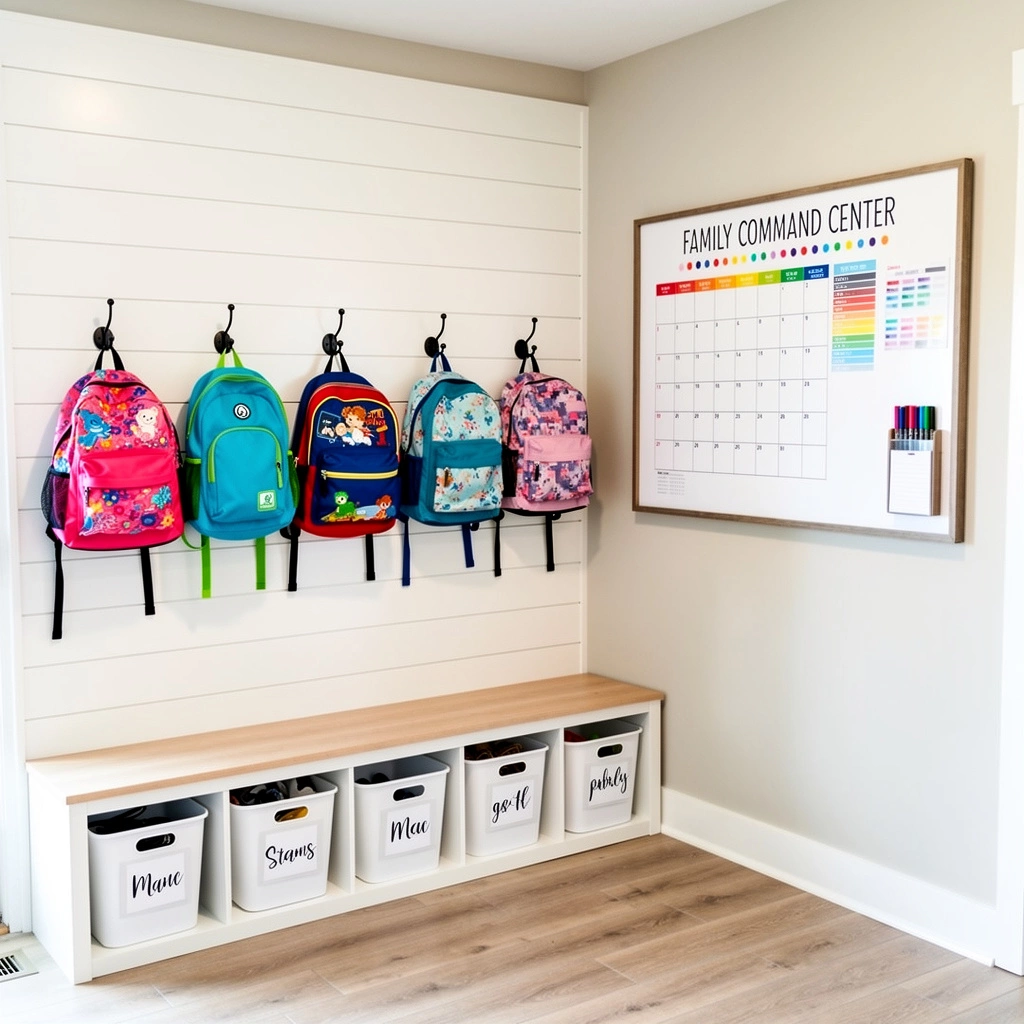
- Establish designated lunch prep area at home
- Create lunch supply storage system
Planning and preparation:
- Create master list of approved foods
- Photograph safe product labels
- Develop 2-week rotation of lunch ideas
- Identify 5-7 emergency backup meals
- Stock emergency pantry supplies
- Establish weekly shopping routine
- Set up Sunday prep schedule
DECISION FRAMEWORKS
“Is This Product Safe?” Decision Tree
Step 1: Read ingredient list
- Contains peanuts or tree nuts → NOT SAFE
- No peanuts or tree nuts listed → Continue to Step 2
Step 2: Check allergen statement
- “Contains: Peanuts” or “Contains: Tree Nuts” → NOT SAFE
- No allergen statement or doesn’t mention nuts → Continue to Step 3
Step 3: Check for warnings
- “May contain nuts” or “Processed in facility with nuts” → Check school policy
- School prohibits “may contain” products → NOT SAFE
- School allows “may contain” products → SAFE (per your school)
- No cross-contamination warnings → SAFE
Step 4: Verify with school when uncertain
- Product has unclear labeling → Contact school nurse for clarification
- New product type never sent before → Verify acceptability first
“What Should I Pack Today?” Framework
Identify constraints:
- Time available this morning: _____ minutes
- Ingredients currently available: _____
- Child’s recent preferences: _____
- Today’s weather (hot = avoid mayonnaise items): _____
Choose lunch type:
- 5 minutes available: Grab pre-prepped components or emergency backup
- 10 minutes available: Simple sandwich + sides
- 15+ minutes available: Hot lunch or bento-style variety
Build complete lunch:
- Select protein source
- Choose carbohydrate/bread
- Add 1-2 fruits
- Add 1-2 vegetables
- Include optional treat
- Verify variety (not repeating yesterday’s exact lunch)
Final verification:
- Meets nutritional needs → Yes/No
- Child will likely eat this → Yes/No
- All items are nut-free → Yes/No
- If all “Yes” → Pack and send
FREQUENTLY ASKED QUESTIONS
1. Are sunflower seeds and sunflower seed butter allowed in nut-free schools?
Sunflower seeds and sunflower seed butter are typically allowed in nut-free schools because sunflowers are not nuts—they’re seeds. However, some schools with students who have multiple allergies may restrict all seeds as a precaution. Always verify your specific school’s policy before sending sunflower products. SunButter and other sunflower seed butter brands are specifically marketed as peanut-free alternatives and are widely accepted in nut-free environments. Contact your school nurse or administrator to confirm seed policy at the beginning of each school year.
2. Is coconut considered a tree nut for school policies?
Coconut is botanically classified as a fruit (specifically a drupe), not a tree nut. The Food and Drug Administration does not include coconut in the tree nut allergen category. Most nut-free school policies permit coconut products because coconut allergy and tree nut allergy are distinct conditions. However, if a student in the classroom has a specific coconut allergy, the school may restrict it. Verify with your school administrator whether coconut products are acceptable before including coconut milk, shredded coconut, or coconut-based snacks in packed lunches.
3. What should I do if my child accidentally brings a product with nuts to school?
Contact the school immediately if you realize a mistake after drop-off. Call the office and ask them to retrieve the lunch before lunchtime. Most schools will understand honest mistakes and work with you to prevent the child from consuming or sharing the item. If discovered at lunchtime, teachers typically confiscate the item and may provide an alternative lunch. Use this as a learning opportunity: review your label-reading process, establish a double-check system, and consider maintaining emergency nut-free backup supplies at school. Document what went wrong to prevent future occurrences. Schools appreciate proactive communication and corrective action.
4. Can I send products labeled “may contain nuts” or “processed in a facility with nuts”?
School policies vary on precautionary allergen statements. Some schools with students who have severe allergies prohibit any products with “may contain” warnings to minimize risk. Other schools allow these products because they don’t contain nuts as intentional ingredients. Obtain your school’s specific policy in writing at the beginning of the year. If “may contain” products are prohibited, expand your safe product list by focusing on manufacturers that use dedicated nut-free facilities. Brands like Enjoy Life specifically produce allergen-free products in dedicated facilities, eliminating cross-contamination warnings.
5. How can I prevent cross-contamination when packing nut-free lunches at home?
Prevent cross-contamination by establishing dedicated nut-free preparation practices. Wash all cutting boards, knives, and utensils with soap and hot water before preparing nut-free foods. Clean countertops and preparation surfaces thoroughly. Wash your hands for at least 20 seconds with soap before handling nut-free ingredients. If other family members consume nuts, prepare the nut-free school lunch first, before other breakfast or meal preparation. Store nut-free items on separate shelves from products containing nuts. Use dedicated containers or thoroughly wash shared containers. Standard household cleaning with soap and water effectively removes allergen residue—specialized cleaners are unnecessary for most home environments.
6. What are good nut-free protein sources besides nut butter?
Excellent nut-free protein sources include sunflower seed butter and soy nut butter (7g protein per 2 tablespoons), deli meats like turkey and ham (8-10g per 2 ounces), hard-boiled eggs (6g per egg), cheese (6-8g per ounce), Greek yogurt (15-20g per cup), hummus (4g per 1/4 cup), beans and lentils (7-9g per 1/2 cup cooked), and edamame (9g per 1/2 cup). Rotate protein sources throughout the week to provide nutritional variety and prevent taste fatigue. Combine complementary plant proteins—like beans and rice or hummus and whole grain pita—to create complete amino acid profiles similar to animal proteins.
7. How do I pack hot lunches that stay warm until lunchtime?
Pack hot lunches using insulated thermos containers designed for food. Preheat the thermos by filling it with boiling water and letting it stand for 5-10 minutes. Empty the water and immediately add piping hot food. Seal the lid tightly. Quality thermoses keep foods hot (above 140°F) for 4-6 hours, safely covering the time from morning preparation until lunch. Best options for hot lunches include pasta with sauce, soup, mac and cheese, rice bowls, quesadilla pieces, and chicken nuggets. Pack the thermos upright in the lunch bag. Include a spoon or fork appropriate for the meal. Send a small ice pack (not touching the thermos) to keep accompanying cold items like fruit and vegetables fresh.
8. What if my child has multiple food allergies in addition to nuts?
Managing multiple allergies requires careful planning and label reading. For dairy-free and nut-free needs, focus on deli meats, eggs, beans, hummus, and dairy-free cheese alternatives as proteins. Use dairy-free bread and verify all packaged items. For gluten-free and nut-free requirements, emphasize naturally gluten-free whole foods like rice, corn, meat, eggs, fruits, and vegetables, plus certified gluten-free products. Read every label carefully for all allergens. Join support groups specific to multiple food allergies for product recommendations and recipe ideas. Work with your child’s allergist and school nurse to create a comprehensive safe food list. Consider working with a registered dietitian to ensure nutritional adequacy when eliminating multiple food groups.
9. Are there nut-free alternatives to Nutella or chocolate-hazelnut spread?
Several nut-free chocolate spreads exist as alternatives to Nutella. Brands include No Nuttin’ Chocolate Spread (made with sunflower seeds), Wow Butter Chocolate Spread (soy-based), and various sunflower seed-based chocolate spreads available at specialty stores. You can also make homemade chocolate sunflower seed butter by mixing sunflower seed butter with cocoa powder and honey or maple syrup. Regular chocolate frosting (verify nut-free) can serve as a sweet sandwich spread. Some families use chocolate cream cheese or chocolate-flavored dairy spreads. Always verify allergen statements, as chocolate products frequently carry cross-contamination warnings from shared manufacturing equipment.
10. How can I make nut-free lunches appealing for picky eaters?
Make nut-free lunches appealing by focusing on accepted foods rather than forcing new items. Use cookie cutters to create fun shapes from sandwiches, cheese, and fruits. Present deconstructed lunches where children assemble components themselves, increasing control and interest. Use colorful divided containers (bento boxes) to make lunches visually appealing. Include at least one “safe” food you know the child will eat to prevent returning with empty lunch boxes. Involve children in lunch planning by offering choices between two acceptable options. Avoid pressuring children to try new foods during school lunch—introduce new items at home during relaxed dinners. Keep lunches simple during school and save adventurous eating for weekends and family meals.
Tags: nut-free school lunch ideas, nut-free lunches for kids, peanut-free lunch ideas, allergy-friendly school lunches, tree nut free lunch, safe school lunch ideas, nut free lunch box ideas, school lunches without nuts, allergy safe lunch ideas, nut-free packed lunch, food allergy safety, cross-contamination prevention, lunchbox ideas, kid-friendly lunches, school lunch policies, allergen-free foods, safe snacks for school, nut-free school lunch ideas for picky eaters, quick nut-free lunch ideas for school, healthy nut-free lunches for kindergarten, budget nut-free school lunch ideas, what can I pack for nut-free lunch, how to make nut-free school lunches, are sunflower seeds allowed in nut-free schools, what spreads are nut-free for sandwiches






Leave a Reply