

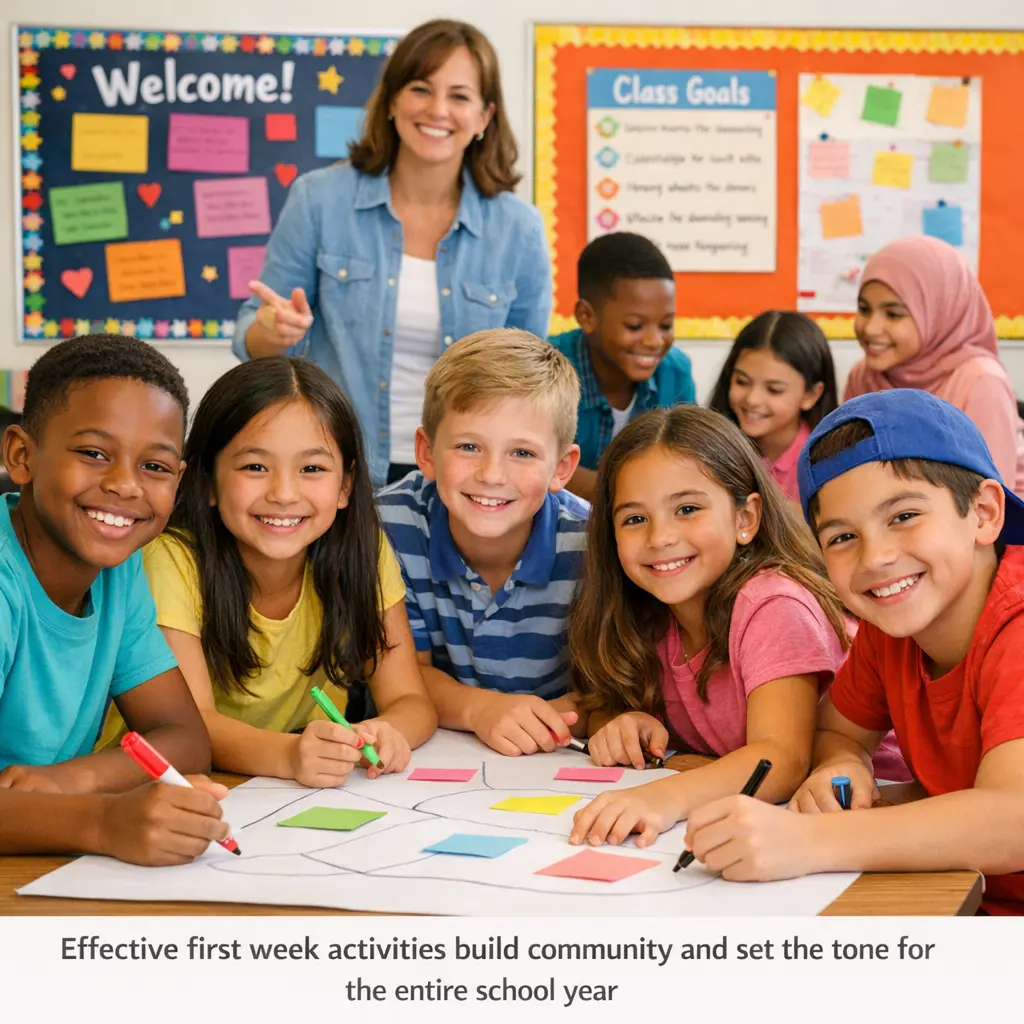
The first week of school sets the tone for the entire academic year. Teachers who invest time in relationship-building activities, clear routines, and engaging ice breakers create classrooms where students feel safe, valued, and ready to learn.
This guide provides grade-specific first week of school activities for teachers across all levels—from kindergarten through high school. You’ll find practical, low-prep ideas that balance structure with engagement, helping you start strong without burning out before September ends.
Whether you teach elementary students learning classroom basics or high schoolers who think they’ve seen it all, these activities establish the community, expectations, and excitement that carry through June.
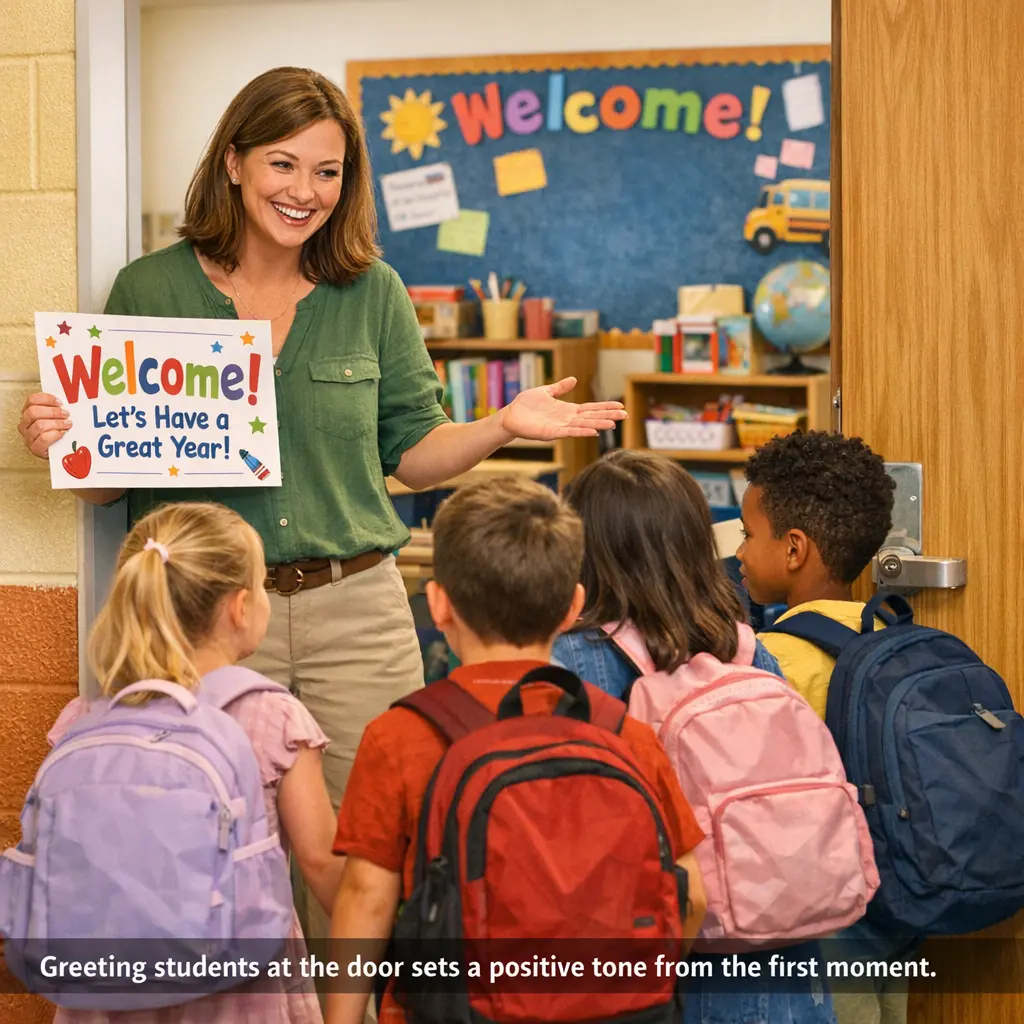
Why the First Week Matters
The research is clear: Students form impressions of teachers, classmates, and their own academic identity within the first few days of school. These impressions influence engagement, behavior, and achievement for months.
What Students Decide in Week One
Students answer critical questions during opening days:
- Is this classroom safe?
- Does this teacher care about me?
- Can I be myself here?
- Will I make friends?
- Am I good at school?
Your first week of school activities directly shape these answers.
What Teachers Accomplish
Effective first weeks achieve three goals:
Relationships: Students know classmates’ names, feel welcomed, and see the teacher as approachable.
Routines: Procedures for transitions, materials, bathroom breaks, and technology become automatic.
Expectations: Behavioral and academic standards are clear, reasonable, and consistently modeled.
Teachers who rush into content without building this foundation spend months managing preventable problems.
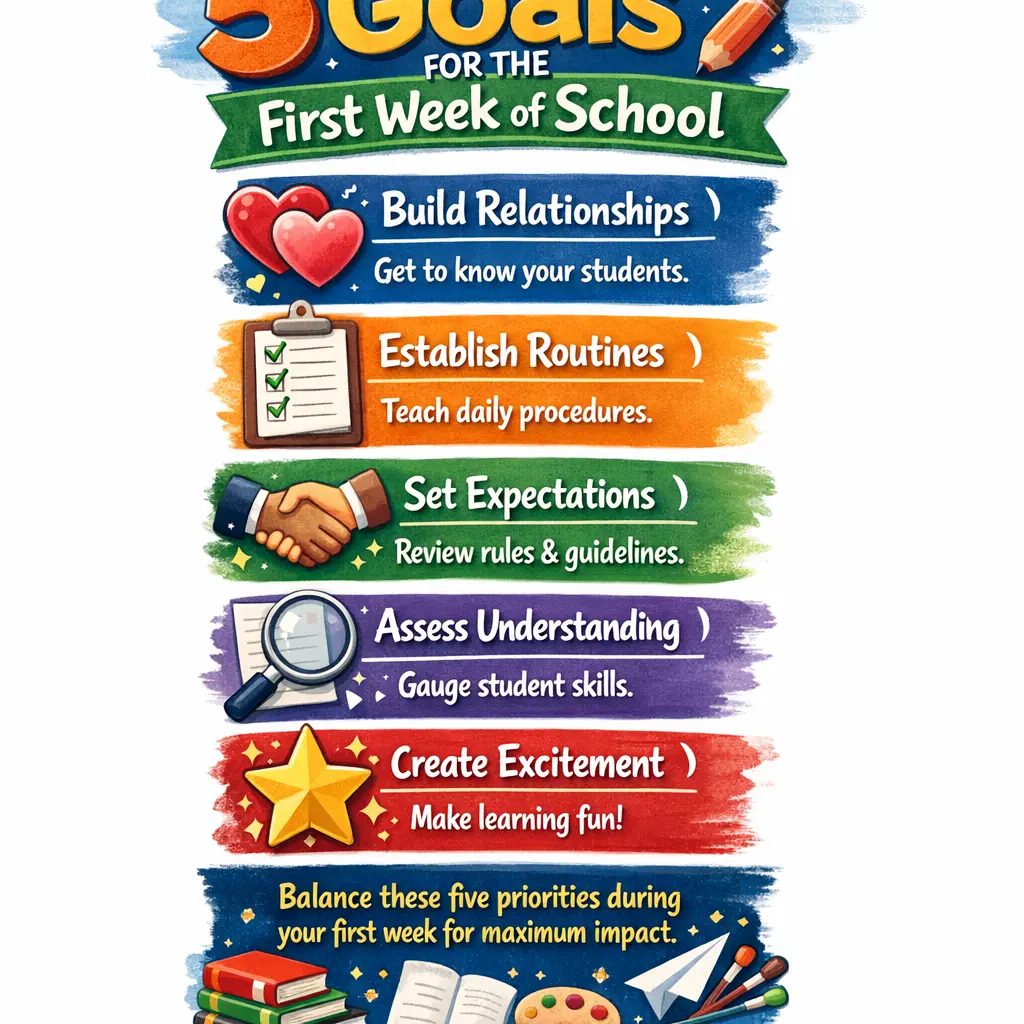
Core Goals for the First Week of School
Goal 1: Build Classroom Community
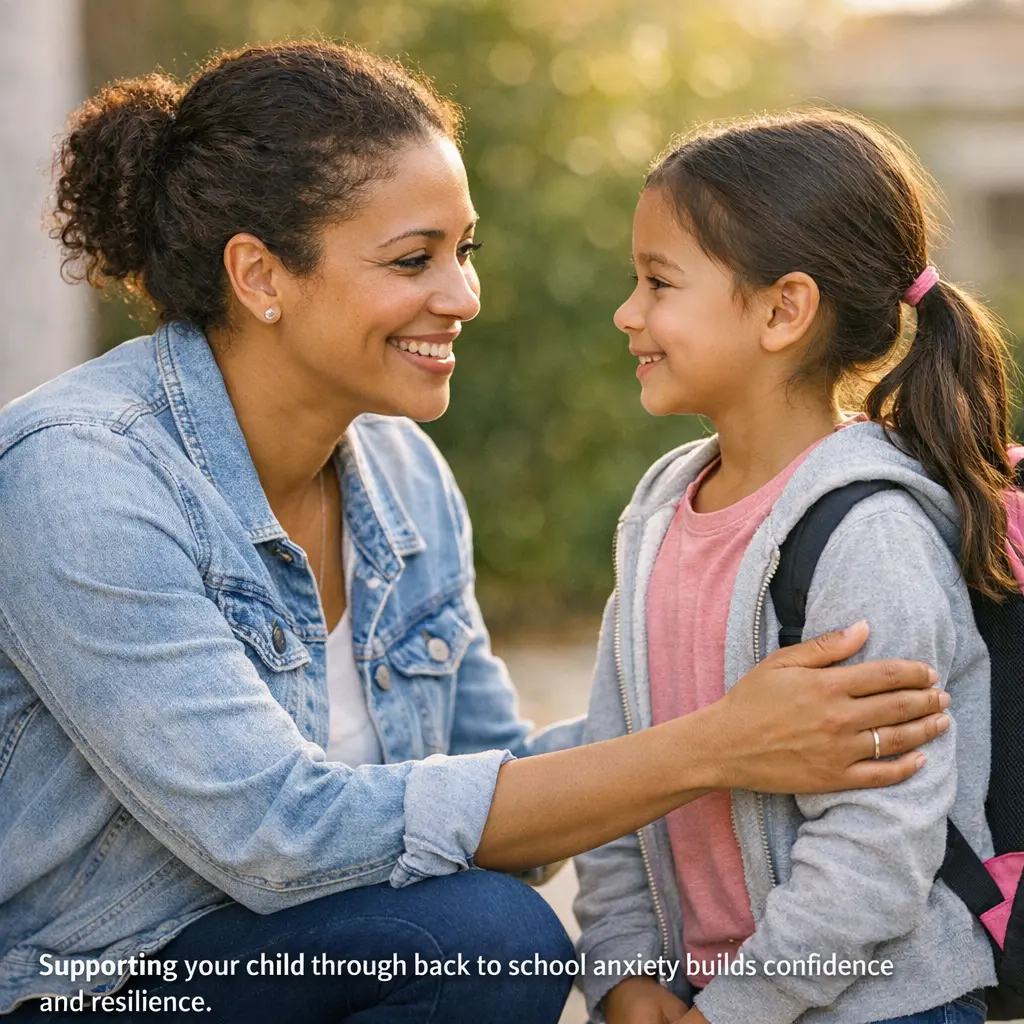
Students learn best when they feel psychologically safe. Community-building activities create belonging and reduce social anxiety.
What This Looks Like:
- Students know most classmates’ names
- Laughter and conversation happen naturally
- Diverse students see themselves represented
- Quiet students have participated at least once
Goal 2: Establish Predictable Routines
Routines reduce cognitive load and behavior problems. When students know what to expect, they can focus on learning rather than logistics.
Essential Routines to Practice:
- Entering and exiting the classroom
- Getting and returning materials
- Asking for help
- Transitioning between activities
- Bathroom and water procedures
- Technology use and storage
Goal 3: Set Clear, Positive Expectations
Students need to understand behavioral and academic standards without feeling overwhelmed by rules.
Effective Approaches:
- Co-create class agreements (age-appropriate involvement)
- Focus on “be” statements (“Be respectful”) rather than long rule lists
- Model expectations through activities, not lectures
- Connect expectations to shared values
Goal 4: Informally Assess Student Needs
Use the first week to gather information about learning styles, social dynamics, academic levels, and individual needs.
Assessment Methods:
- Observation during activities
- Interest inventories
- Learning preference surveys
- Writing samples (casual, low-stakes)
- Conversation and questions
Universal First Week Activities (All Grades)
These activities adapt across grade levels with minor modifications.
Name Tents with a Twist
Materials: Cardstock, markers, prompts
How It Works:
Students fold cardstock into table tents. Front displays their name in large letters. Each side answers a prompt:
- Something you’re good at
- Your favorite way to spend free time
- A place you’d like to visit
- A question you have about this class
Why It Works:
Teachers learn names and interests quickly. Conversation starters emerge naturally during group work.
Grade Modifications:
- K-2: Pre-print names; students draw pictures instead of writing
- 3-5: Add “fun fact” or “favorite book”
- 6-8: Include academic goals or summer highlights
- 9-12: Add career interests or what success looks like this year
Classroom Scavenger Hunt
Materials: List of items/locations, clipboards (optional)
How It Works:
Students search the classroom for specific items, locations, or information. Examples:
- Where are extra pencils stored?
- Find the class library
- Locate the emergency exit
- Discover the “question parking lot”
Why It Works:
Students learn physical space, understand resources, and move around (reducing first-day jitters).
Professional Tip:
Include one or two “impossible” items to encourage asking for help—this normalizes question-asking from day one.
Two Truths and a Wish
Materials: None (paper optional)
How It Works:
Traditional “Two Truths and a Lie” modified for positive framing. Students share:
- Two true statements about themselves
- One wish or goal for the school year
Classmates guess which statements are true.
Why It Works:
Students share authentically while practicing active listening. Goals shared publicly increase accountability.
Common Mistake to Avoid:
Don’t let this drag. Set a timer (2-3 minutes per student in small groups, or whole-class with larger time blocks).
Hopes and Fears
Materials: Index cards, chart paper
How It Works:
Students anonymously write hopes and fears for the year on separate cards. Teacher collects, categorizes, and discusses themes without revealing authors.
Why It Works:
Students realize they’re not alone in their anxieties. Teachers identify common concerns to address proactively.
Grade Modifications:
- K-2: Use simple prompts like “I’m excited about…” and “I’m worried about…”
- 3-5: Small group discussions before writing
- 6-8: Anonymous digital submissions if devices available
- 9-12: Connect to goal-setting and action planning
Find Someone Who…
Materials: Bingo-style worksheet
How It Works:
Students circulate with worksheets containing prompts:
- Find someone who has a pet
- Find someone who plays an instrument
- Find someone who’s read more than 10 books this summer
- Find someone who’s lived in another state
Students collect signatures and brief details.
Why It Works:
Kinesthetic activity breaks ice, reveals commonalities, and energizes the room.
Professional Tip:
Include academic prompts relevant to your subject (“Find someone who loves math word problems” or “Find someone who’s visited a museum recently”).
First Week Activities by Grade Level
Kindergarten Through Grade 2
Young students need activities that teach school behaviors while building excitement.
Activity: Classroom Tour with Actions
How It Works:
Teacher leads students on classroom tour, assigning a physical action to each area:
- Reading corner = pretend to open a book
- Art station = make painting motion
- Bathroom area = wash hands motion
Repeat the tour several times, having students perform actions as you point to areas.
Why It Works:
Movement aids memory. Students learn locations through muscle memory.
Time Required: 15-20 minutes
Activity: Feelings Check-In Chart
Materials: Poster with emotion faces, clothespins with names
How It Works:
Create a chart with simple emotion faces (happy, sad, worried, excited, tired). Each student has a clothespin with their name. Throughout the first week, students move their pin to show how they’re feeling.
Why It Works:
Teaches emotional vocabulary and self-awareness. Helps teachers identify students needing extra support.
Implementation Tip:
Make this a morning routine. Discuss emotions without forcing students to explain why.
Activity: Story Time About School Rules
Materials: Age-appropriate book about school expectations
Recommended Books:
- David Goes to School (humorous rule exploration)
- Chrysanthemum (name acceptance, kindness)
- The Kissing Hand (separation anxiety)
How It Works:
Read aloud, then discuss characters’ choices. Connect to classroom expectations through questions, not lectures.
Why It Works:
Stories provide concrete examples of abstract concepts like “respect” and “responsibility.”
Activity: Play-Dough Name Practice
Materials: Play-dough, letter mats (optional)
How It Works:
Students roll play-dough into “snakes” and form letters of their name. Partners practice saying each other’s names.
Why It Works:
Multi-sensory learning supports name recognition and fine motor development. Calm, focused activity balances higher-energy ice breakers.
Time Required: 20-25 minutes
Grades 3-5 (Elementary)
Upper elementary students need activities that challenge them socially and intellectually while remaining playful.
Activity: Marshmallow Challenge
Materials: Marshmallows, spaghetti, tape, string (per group)
How It Works:
Groups of 3-4 students build the tallest free-standing structure using only provided materials. Time limit: 18 minutes.
Why It Works:
Teaches collaboration, creative problem-solving, and resilience when structures fall. Introduces growth mindset concepts naturally.
Debrief Questions:
- What strategy worked?
- How did your team make decisions?
- What would you do differently?
- How did you feel when your structure fell?
Academic Connection:
Links to STEM, engineering design process, teamwork skills.
Activity: Classroom Jobs Application Process
Materials: Job descriptions, application forms
How It Works:
Present classroom jobs (line leader, materials manager, tech helper, librarian, etc.). Students “apply” by writing why they’d be good at that role. Teacher assigns jobs, rotating monthly or quarterly.
Why It Works:
Creates investment in classroom community and responsibility. Introduces real-world application processes.
Professional Tip:
Create more jobs than students, allowing some students to have two roles or pair up.
Activity: Math About Us
Materials: Survey questions, chart paper, markers
How It Works:
Students collect data through class surveys:
- How many siblings do you have?
- What’s your favorite season?
- How do you get to school?
Create graphs together. Calculate mean, median, mode (grade-appropriate).
Why It Works:
Combines community-building with academic content. Students see themselves in the data.
Cross-Curricular Extension:
Use data for writing activities (“I learned that most students in our class…”)
Activity: Expert Interviews
Materials: Question prompts, interview recording sheets
How It Works:
Each student identifies something they’re expert at (video games, a sport, cooking, pet care, etc.). Students pair up and interview each other as “experts.” Share findings with class.
Sample Questions:
- How did you learn this skill?
- What’s the hardest part?
- What do you wish everyone knew about it?
- How could you teach someone else?
Why It Works:
Every student has expertise worth sharing. Builds confidence and mutual respect.
Grades 6-8 (Middle School)
Middle school students need activities that respect their growing independence while addressing social anxieties.
Activity: Collaborative Playlist
Materials: Paper, markers (or digital tools)
How It Works:
Students anonymously suggest 2-3 songs for a class playlist. Teacher compiles (screening for appropriate content). Play during work time throughout the year.
Why It Works:
Music creates community without forced vulnerability. Students see their contributions valued.
Alternative:
Create subject-specific playlists (“Songs About Science” or “Historical Event Songs”).
Activity: Advice for Yourself
Materials: Envelopes, paper
How It Works:
Students write letters to themselves offering advice, setting goals, or describing hopes for the year. Teacher collects in sealed envelopes and returns them during the last week of school.
Prompts:
- What do you want to accomplish?
- What challenges do you anticipate?
- What advice would help you during tough weeks?
- How do you want to grow?
Why It Works:
Reflective activity honors students’ inner lives. June reveal becomes powerful closure experience.
Activity: Escape Room Challenge
Materials: Locks, boxes, clues related to classroom procedures
How It Works:
Create a simple escape room where clues teach classroom information:
- Combination to lock = page number in textbook explaining course goals
- Hidden clue = inside the classroom library students must find
- Puzzle = assembled from pieces scattered in supply areas
Why It Works:
Gamification increases engagement. Students learn classroom layout and resources while problem-solving.
Time Required: 30-45 minutes
Prep Tip:
Keep it simple. Three to four puzzles are enough. Focus on teaching, not stumping.
Activity: Silent Line-Up Challenges
Materials: None
How It Works:
Students line up silently in order by:
- Birthday (month and day)
- Number of letters in first name
- Number of states visited
- Alphabetical by favorite food
Why It Works:
Non-verbal communication practice. Movement breaks. Reveals creative problem-solving strategies.
Observation Opportunity:
Watch for leaders, includers, and students needing social support.
Grades 9-12 (High School)
High school students need activities that feel mature, respect their time, and serve clear purposes.
Activity: Academic Speed Dating
Materials: Timer, question prompts
How It Works:
Students sit in two rows facing each other. Every 2 minutes, one row shifts. Partners discuss rotating prompts:
- What’s a skill you want to improve this year?
- What’s your learning style?
- Best study habit you’ve discovered?
- One thing you wish teachers understood?
Why It Works:
Students meet everyone quickly. Academic focus feels purposeful, not juvenile.
Professional Tip:
Include one or two lighter questions (“What’s your go-to study snack?”) to balance depth.
Activity: Failure Resume
Materials: Paper, “resume” template
How It Works:
Students create resumes listing their “best” failures, lessons learned, and how they recovered. Share voluntarily.
Example entries:
- Failed driver’s test twice → Learned persistence
- Bombed presentation → Improved preparation strategies
- Lost student council election → Developed resilience
Why It Works:
Normalizes failure as learning. Particularly powerful for high-achieving students terrified of mistakes.
Connection:
Introduce growth mindset research. Discuss successful people’s failures.
Activity: TED Talk Intros
Materials: Timer
How It Works:
Students prepare 60-second “TED Talk” introductions covering:
- Name and preferred pronunciation
- One interesting fact
- Why they’re taking this class
- One question they hope the course answers
Why It Works:
Public speaking practice. Students learn about each other’s motivations and curiosities.
Modification for Large Classes:
Small groups present to each other instead of whole class.
Activity: Subject-Specific Myth Busters
Materials: Myth statements related to your subject
How It Works:
Present common misconceptions about your subject:
- Math: “Math people are born, not made”
- English: “Good writers don’t need to revise”
- History: “History is just memorizing dates”
- Science: “Scientists always know the answer”
Students vote on myths vs. facts, then discuss.
Why It Works:
Addresses limiting beliefs immediately. Opens conversations about subject mindsets.
Academic Rigor:
Introduces course content through critical thinking.
Day-by-Day First Week Framework
Day 1: Welcome and Explore
Morning Focus:
- Greeting students at door (learn names immediately)
- First impressions ice breaker
- Classroom scavenger hunt
- Basic expectations (safety, respect)
Afternoon Focus:
- Name games
- Student interest survey
- Course overview (brief, enthusiastic)
- End-of-day reflection: “One thing you learned about a classmate”
Teacher Priority:
Learn names. Make every student feel noticed.
Day 2: Routines and Relationships
Morning Focus:
- Review Day 1 routines explicitly
- Practice transitions between activities
- Community-building activity (Find Someone Who, Two Truths and a Wish)
Afternoon Focus:
- Introduce key procedures (bathroom, materials, asking questions)
- Practice procedures through games or simulations
- Team-building activity
Teacher Priority:
Practice routines until they feel automatic.
Day 3: Expectations and Investment
Morning Focus:
- Co-create classroom agreements (age-appropriate)
- Discuss “why” behind expectations
- Role-play scenarios
Afternoon Focus:
- Goal-setting activity
- Hopes and Fears
- Tour of support resources (counselor, library, special services)
Teacher Priority:
Students understand expectations come from care, not control.
Day 4: Content Preview and Connections
Morning Focus:
- Subject-specific ice breaker (Math About Us, Myth Busters, etc.)
- Preview exciting units or projects ahead
- Show samples of student work from previous years
Afternoon Focus:
- Low-stakes academic activity (preview, not assessment)
- Creative expression related to course content
- Reflection on learning preferences
Teacher Priority:
Generate excitement about subject matter.
Day 5: Review and Launch
Morning Focus:
- Routine practice quiz/game
- Review expectations and procedures
- Celebrate the week’s accomplishments
Afternoon Focus:
- First “real” lesson (still engagement-focused)
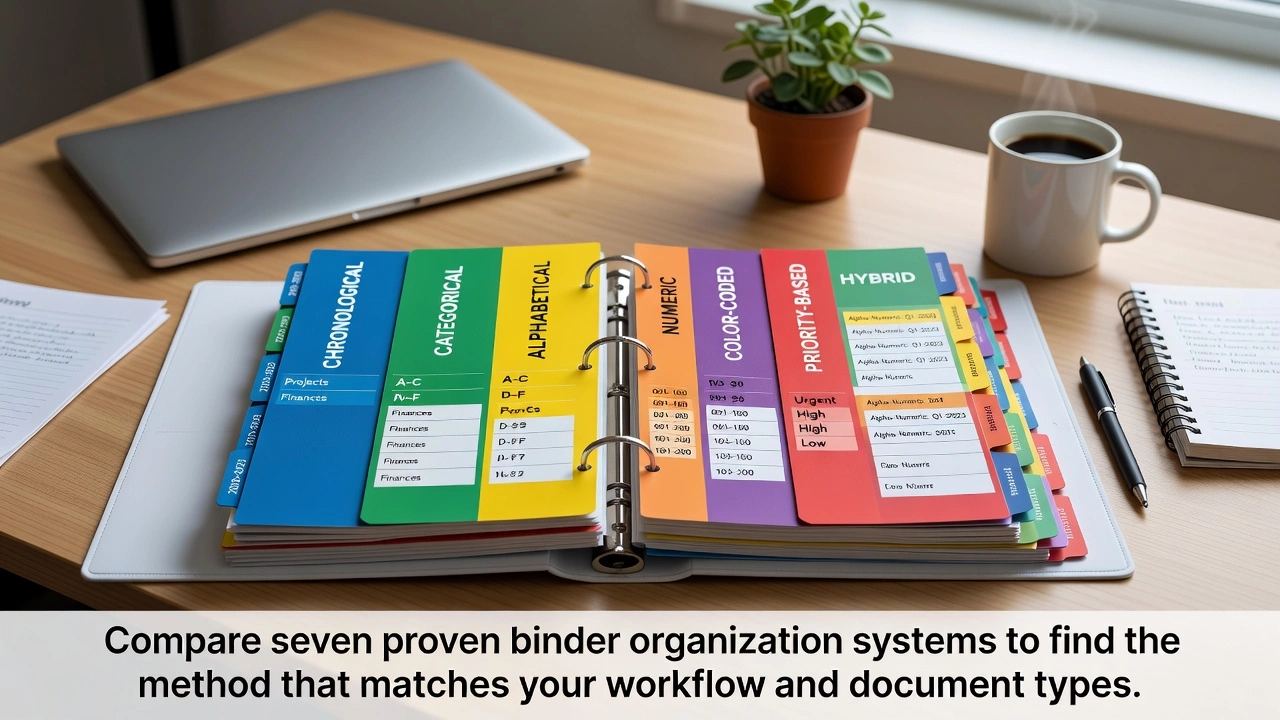
- Set up organizational systems (binders, folders, digital platforms)
- Week reflection: “What are you proud of? What questions remain?”
Teacher Priority:
Bridge first week energy into sustainable routines.
Ice Breaker Activities That Actually Work
What Makes Ice Breakers Effective
Good ice breakers:
- Have clear instructions
- Include everyone (no voluntary participation anxiety)
- Reveal something meaningful, not trivial
- Keep energy appropriate (match your students’ mood)
- Serve a purpose beyond “fun”
Ineffective ice breakers:
- Require performance in front of the whole class immediately
- Focus on embarrassing facts
- Take too long
- Feel disconnected from learning
Quick Ice Breakers (5-10 Minutes)
Would You Rather (Academic Edition):
Present subject-related choices:
- Would you rather read 100 pages or write 5 pages?
- Would you rather solve 10 hard problems or 50 easy ones?
- Would you rather work alone or in a group?
Students move to sides of room based on preferences. Brief discussions.
Four Corners:
Label room corners with categories (seasons, genres, learning styles, career interests). Students move to their preference and discuss with others who chose the same.
Common Thread:
Small groups find one thing all members have in common that’s not obvious (not “we’re all in this class”). Groups share discoveries.
Medium Ice Breakers (15-20 Minutes)
Human Bingo (described earlier in Find Someone Who)
Concentric Circles:
Students form two circles facing each other. Inner circle stays; outer circle rotates. Each pairing gets a new discussion prompt.
Gallery Walk Intros:
Students create posters about themselves using provided prompts (favorites, goals, family, hobbies). Display around room. Students tour gallery, leaving positive comments on sticky notes.
Extended Ice Breakers (25-30 Minutes)
Coat of Arms:
Students create personal shields divided into quadrants representing:
- Greatest strength
- Biggest goal
- Favorite learning experience
- One thing you want classmates to know
Share in small groups.
Interview and Introduce:
Partners interview each other using question guides. Each person introduces their partner to the class (reduces pressure of self-introduction).
Establishing Classroom Routines and Procedures
Why Explicit Teaching of Routines Matters
Students don’t automatically know your expectations for:
- How to enter the classroom
- Where to put belongings
- How to get help
- When talking is appropriate
- How to handle technology
- What to do when finished early
Assumption creates chaos. Teaching routines explicitly prevents 90% of behavior issues.
The Teach-Model-Practice Cycle
Step 1: Teach
Explain the routine and why it exists.
Example: “When you enter class, you’ll see a warm-up question on the board. This helps your brain shift into learning mode and lets me take attendance without interrupting you.”
Step 2: Model
Demonstrate the routine. Consider having a student model while you narrate.
Step 3: Practice
Students practice the routine. Provide feedback. Practice again.
For entering the classroom, have students leave and re-enter several times until it’s smooth.
Step 4: Reinforce
Acknowledge when routines happen correctly. Gently correct when they don’t.
Essential Routines to Practice First Week
Entry Routine:
- Where do backpacks go?
- What do students do immediately upon entering?
- How do they know what to work on?
Attention Signal:
- How will you get students’ quiet attention?
- Practice the signal until response is immediate
Transition Routine:
- How do students move between activities?
- What’s the time expectation?
- What should the room sound like?
Materials Distribution:
- Who passes out papers/supplies?
- Where are materials stored?
- What’s the process for broken/missing items?
Help-Seeking:
- How do students ask questions (hand-raising, help cards, queue)?
- What should students do while waiting for help?
- When is peer help encouraged vs. discouraged?
Bathroom/Water:
- What’s the procedure?
- Is permission required, or is it a sign-out system?
- How many students can go at once?
End of Class:
- How do students know it’s time to pack up?
- What’s the dismissal process?
- Who dismisses—teacher or bell?
Professional Tip:
Never assume routines from one class transfer to another. Practice in every class period.
Setting Expectations Without Lecturing
The Problem with Rule Lists
Long lists of “don’ts” create negative climates. Students tune out lectures about rules.
Alternative Approaches
Co-Create Class Agreements:
Facilitate discussions about what everyone needs to learn and feel safe. Student-generated agreements get more buy-in.
Age-appropriate facilitation:
- K-2: “What helps you learn? What makes you feel safe?”
- 3-5: “What does a great classroom look and sound like?”
- 6-8: “What do you need from me and each other to succeed?”
- 9-12: “What classroom values matter to you?”
Consolidate ideas into 3-5 core agreements.
Scenario-Based Learning:
Present scenarios and discuss appropriate responses:
“You finish your work early. What are your options?”
“Someone is distracting you during independent work. What should you do?”
“You don’t understand the directions. What’s your next step?”
Positive Framing:
Replace “Don’t interrupt” with “Wait for others to finish speaking.”
Replace “No phones” with “Phones stay stored during instruction.”
Focus on what TO do, not just what NOT to do.
Activities for Special Situations
For Shy or Anxious Students
Modifications:
- Offer written responses instead of verbal
- Start with partner activities before small groups
- Provide sentence stems for discussions
- Allow processing time before calling on students
- Create “observer” roles in group activities
Specific Activity: Question Box
Students submit questions or comments anonymously. Address during designated time. Reduces pressure of public speaking.
For English Learners
Modifications:
- Use visual supports (pictures, gestures, demonstrations)
- Provide sentence frames for activities
- Allow home language use during brainstorming
- Pair with bilingual buddies when possible
- Pre-teach key vocabulary for activities
Specific Activity: Pictionary Intros
Students draw pictures representing hobbies, family, favorites. Less language-dependent than writing or speaking.
For Neurodivergent Students
Modifications:
- Provide activity schedules visually
- Offer movement breaks or fidget options
- Create quiet spaces for overwhelm
- Give advance notice before transitions
- Allow alternative ways to participate
Specific Activity: Preferences Inventory
Students complete surveys about sensory preferences, communication styles, and learning needs. Honors individual differences.
For Remote or Hybrid Classrooms
Virtual Ice Breaker: Virtual Background Stories
Students choose virtual backgrounds representing something about themselves. Explain choices in chat or brief unmuting.
Virtual Ice Breaker: Scavenger Hunt
Call out items students find in their homes within time limits:
- Something blue
- A favorite book
- Something from nature
- Something that makes you smile
Hybrid Consideration:
Ensure remote students participate equally. Use breakout rooms, polls, and collaborative documents to include everyone.
Common First Week Mistakes to Avoid
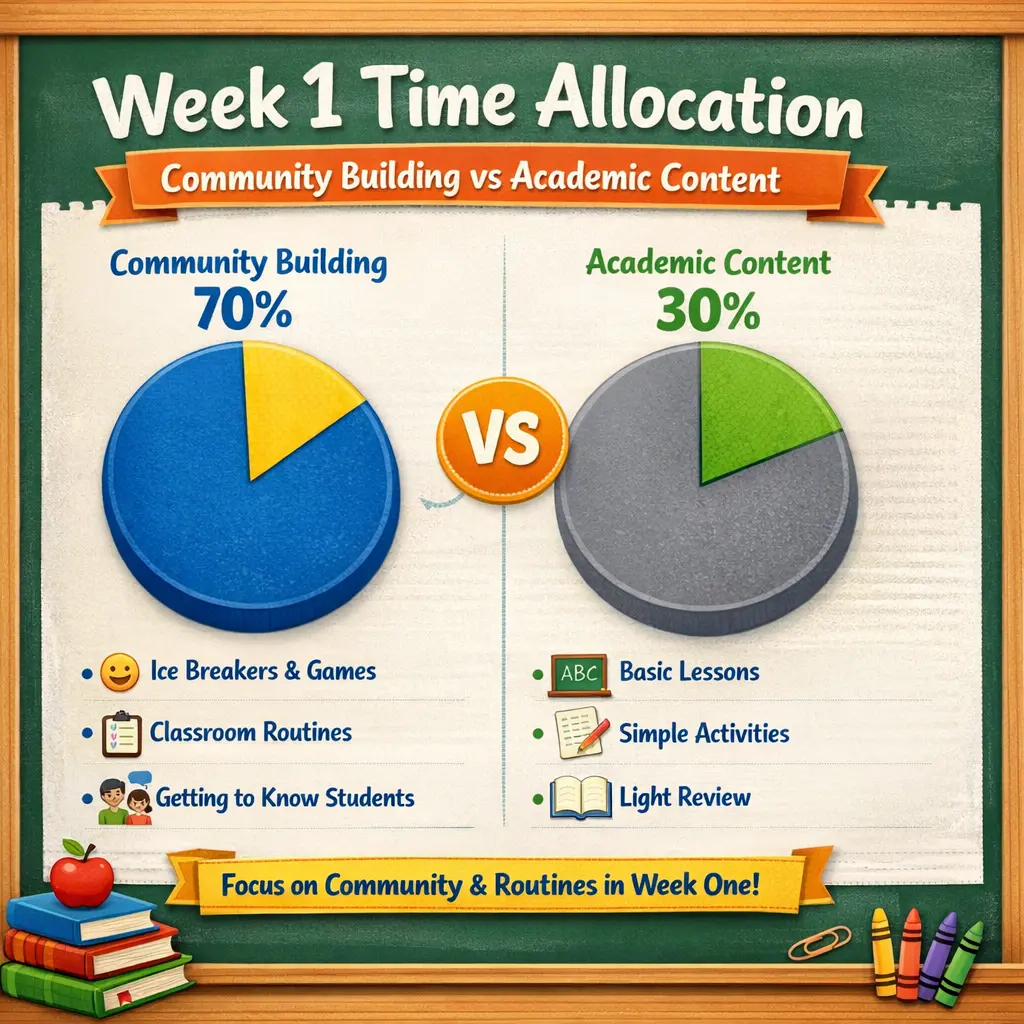
Mistake 1: Diving Straight Into Content
Why It Fails:
Students aren’t ready to learn complex content when they’re anxious about social dynamics and expectations.
Better Approach:
Spend 70-80% of week one on community and routines. Academic rigor comes later.
Mistake 2: Skipping Routine Practice
Why It Fails:
Explaining a routine once doesn’t mean students learned it. Chaos erupts when procedures aren’t automatic.
Better Approach:
Practice every routine multiple times. Make it fun—turn practice into games or challenges.
Mistake 3: Overwhelming Students with Information
Why It Fails:
Handing out syllabi, supply lists, rule sheets, and course expectations on day one creates information overload.
Better Approach:
Spread information across the week. Introduce concepts through activities, not documents.
Mistake 4: Being Too Rigid or Too Loose
Why It Fails:
All structure and no fun creates dread. All fun and no structure creates chaos.
Better Approach:
Balance warm-demander stance: high expectations with high support. Clear boundaries with genuine warmth.
Mistake 5: Not Learning Names Quickly
Why It Fails:
Using names shows students they matter. Generic addresses (“you in the blue shirt”) feel impersonal.
Better Approach:
Make name-learning your top priority. Use name tents, name games, and photo rosters.
Materials and Preparation Checklist
Week Before School
Classroom Setup:
- ☐ Arrange furniture to support community (clusters or U-shape vs. rows)
- ☐ Create welcoming displays (student work space, class vision board)
- ☐ Prepare first-week materials (name tents, ice breaker supplies)
- ☐ Test technology (projector, student devices, platform access)
Planning:
- ☐ Draft day-by-day schedule for week one
- ☐ Select 3-5 ice breakers appropriate for students
- ☐ Identify which routines to teach each day
- ☐ Prepare student interest surveys or inventories
- ☐ Create sign-in sheet or attendance method
Materials to Gather:
- ☐ Name tent supplies (cardstock, markers)
- ☐ Index cards for quick activities
- ☐ Chart paper for anchor charts
- ☐ Bins or folders for student work collection
- ☐ Prizes or affirmations for participation (optional)
First Day of School
On Desk/Table:
- ☐ Name tent activity ready
- ☐ Simple task students can start immediately
- ☐ Welcome message on board
Teacher Preparation:
- ☐ Review pronunciation of student names
- ☐ Prepare personal introduction (brief, warm)
- ☐ Have backup activities if timing is off
- ☐ Set up documentation system (photos, notes on what worked)
Tips for Different Teaching Contexts
New Teachers
Focus on:
Relationships over perfection. Students forgive mistakes when they know you care.
Avoid:
Trying to implement every idea. Choose 2-3 activities per day maximum.
Seek Support:
Ask mentor teachers for their first-week schedules. Observe their routines if possible.
Veteran Teachers
Refresh Your Approach:
If you’ve used the same activities for years, students may have experienced them in other classes.
Challenge:
Try one new ice breaker or routine strategy to re-energize your practice.
Leverage Experience:
You know your students’ community. Use that knowledge to select culturally relevant activities.
Specialists (Art, Music, PE, Library)
Unique Considerations:
You may see 500+ students weekly. Learning names takes longer.
Strategies:
- Take class photos with name labels
- Use name games at start of every class for first month
- Create class-specific routines so students know what to expect in your space
- Coordinate with classroom teachers to reinforce school-wide expectations
Substitute Teachers (Long-Term Assignments)
Challenges:
Entering established classrooms with existing dynamics.
Strategies:
- Use modified first-week activities to build relationships even mid-year
- Acknowledge students’ loss of previous teacher (if applicable)
- Establish your routines while honoring helpful existing ones
- Over-communicate expectations—students need clarity during transitions
13) COMPARISON TABLES
Ice Breaker Activity Comparison
| Activity | Grade Level | Time Required | Prep Needed | Best For | Limitations |
|---|---|---|---|---|---|
| Name Tents | K-12 | 20 min | Low | Learning names, interests | Can feel elementary to high schoolers |
| Two Truths and a Wish | 3-12 | 25 min | None | Goal-setting, personality sharing | Time-consuming in large classes |
| Find Someone Who | K-12 | 15 min | Low (worksheet) | Kinesthetic learners, energy boost | Can get loud |
| Marshmallow Challenge | 3-12 | 30 min | Medium (materials) | Teamwork, problem-solving | Requires supplies, space |
| Academic Speed Dating | 6-12 | 20 min | None | Large classes, mature students | Requires classroom space |
| Four Corners | K-12 | 10 min | Low (labels) | Movement, quick opinions | Limited depth |
| Failure Resume | 9-12 | 30 min | Low (template) | Growth mindset, risk-taking | Requires vulnerability |
Day-by-Day Focus Comparison
| Day | Primary Focus | Activities | What Students Should Know by End of Day |
|---|---|---|---|
| Day 1 | Welcome & Explore | Ice breakers, room tour, basic expectations | Names of some classmates, where things are |
| Day 2 | Routines & Relationships | Community builders, procedure practice | How to enter class, get materials, ask for help |
| Day 3 | Expectations & Investment | Co-create agreements, goal-setting | Behavioral expectations, personal goals |
| Day 4 | Content Preview | Subject-specific activities, excitement building | What they’ll learn this year, why it matters |
| Day 5 | Review & Launch | Routine review, first lesson, reflection | Confidence in routines, readiness to learn |
14) CHECKLISTS
First Week Success Checklist
Relationships:
- ☐ Every student has participated in at least one activity
- ☐ Students know at least 5 classmates’ names
- ☐ You’ve learned all students’ names and pronunciations
- ☐ Identified students who may need extra social support
- ☐ Made positive individual contact with shy or anxious students
Routines:
- ☐ Entry and exit procedures practiced and smooth
- ☐ Attention signal established and working
- ☐ Materials distribution system functional
- ☐ Help-seeking procedure clear
- ☐ Transition times reasonable and practiced
Expectations:
- ☐ Behavioral expectations communicated clearly
- ☐ Academic standards introduced (not overwhelming)
- ☐ Consequences and support systems explained
- ☐ Students understand “why” behind rules
- ☐ Positive classroom culture visible
Assessment:
- ☐ Student interest data collected
- ☐ Learning preference information gathered
- ☐ Social dynamics observed and noted
- ☐ Potential academic needs identified
- ☐ Documentation system started (photos, notes)
Communication:
- ☐ Welcome message sent to families
- ☐ Course overview shared (digital or paper)
- ☐ Contact information provided
- ☐ First-week highlights documented for sharing
Activity Preparation Checklist
Before Selecting Activities:
- ☐ Considered grade-level appropriateness
- ☐ Matched activities to instructional time available
- ☐ Identified learning objectives (social and academic)
- ☐ Ensured variety (movement, reflection, partner, group)
- ☐ Planned for diverse learner needs
Materials Check:
- ☐ All supplies gathered and organized
- ☐ Handouts printed in sufficient quantity
- ☐ Digital resources tested and accessible
- ☐ Backup materials ready if technology fails
- ☐ Visual supports prepared for ELs and visual learners
Facilitation Preparation:
- ☐ Instructions written clearly (posted or projected)
- ☐ Time limits determined
- ☐ Grouping strategy decided (random, assigned, choice)
- ☐ Transitions between activities planned
- ☐ Debrief questions prepared
15) DECISION FRAMEWORKS
Choosing the Right Ice Breaker
Ask Yourself:
1. What’s my primary goal?
- If building names recognition → Name games, name tents
- If fostering teamwork → Group challenges, collaborative tasks
- If assessing interests → Surveys, interview activities
- If energizing the room → Movement-based activities
2. What’s my students’ energy level?
- If anxious/nervous → Low-risk, partner activities
- If restless/energetic → Movement, kinesthetic options
- If tired/end of day → Calm, reflective activities
- If distracted → Highly engaging, novel activities
3. What’s my time constraint?
- If 5-10 minutes → Four Corners, Would You Rather, quick shares
- If 15-20 minutes → Find Someone Who, partner interviews
- If 25-30+ minutes → Marshmallow Challenge, gallery walks, detailed activities
4. What’s my class size?
- If small (under 15) → Whole-class sharing, deep discussions
- If medium (15-25) → Small groups with whole-class share-outs
- If large (25+) → Partner or small group only, written responses
5. What resources do I have?
- If no materials → Discussion-based, movement activities
- If basic supplies → Paper-based activities, simple crafts
- If technology access → Digital tools, collaborative docs
- If budget/materials → Creative challenges, scavenger hunts
Balancing Structure and Flexibility
High Structure Needed When:
- Students are new to school building
- Class has behavior challenges historically
- You’re a new teacher building confidence
- Grade level requires explicit teaching (K-2)
Activities: Clear instructions, modeled expectations, teacher-led with guided practice
Moderate Structure Needed When:
- Students know school routines generally
- Class dynamic seems balanced
- You’re refining established systems
- Grade level can handle some independence (3-8)
Activities: Mix of teacher-led and student choice, structured options within activities
High Flexibility Possible When:
- Students are mature and self-directed (often 9-12)
- Classroom culture already established (not first week, but later)
- You have strong relationships with students
- Activity goals are exploratory
Activities: Open-ended projects, student-designed options, choice boards
First Week Recommendation:
Start with high structure. You can always loosen once routines are solid. Going from chaos to structure is much harder than structure to flexibility.
FAQs
1. How much time should I spend on ice breakers vs. content in the first week?
Spend 60-70% of your time on community-building and routines during week one. Students can’t focus on rigorous content when they’re anxious about social dynamics and unclear about expectations. The investment in relationships and procedures pays off through increased engagement and decreased behavior issues all year. Introduce content gently through engaging previews, not high-stakes lessons.
2. What if my students have done the same ice breakers in other classes?
Ask students directly: “Have you done this activity before?” If many have, modify it or choose a different one. Keep a list of fresh alternatives. For repeated activities, change the prompt or format (for example, “Two Truths and a Wish” instead of “Two Truths and a Lie”). Veteran teachers should refresh their activity banks every few years.
3. How do I handle students who refuse to participate in ice breakers?
Never force participation in front of the whole class—this increases anxiety and damages trust. Offer alternatives: observe instead of share, write instead of speak, or participate in a different role (timekeeper, materials manager). Check in privately to understand resistance. Some students need time to feel safe. Provide low-risk entry points and honor their pace.
4. Should I teach all my classroom rules on the first day?
No. Information overload reduces retention. Introduce essential safety and respect expectations on day one. Add procedures gradually as you practice them throughout the week. Focus on “just-in-time” teaching: explain the bathroom procedure right before students need it, not in a front-loaded lecture. Students remember routines they practice, not rules they hear.
5. How do I learn 150+ student names quickly (for secondary teachers)?
Use multi-pronged strategies: take photos with name labels for each class, use name tents for the first two weeks, play name games at the start of every period, create seating charts with student photos, and say names aloud frequently during class. Focus on correct pronunciation—ask students to correct you. Repeat names in context: “Thanks for that insight, Marcus” instead of just “Thanks.”
6. What if I run out of activities and there’s still time left?
Always prepare 25-30% more activities than you think you’ll need. First-week nerves make time feel different. Keep backup activities ready: additional ice breaker questions, drawing activities, free reading time, student survey extensions, or classroom job creation. You can also extend successful activities by adding reflection or sharing components.
7. How do I balance fun activities with establishing authority?
You don’t have to choose between warmth and authority. The most effective teachers are “warm demanders”—they’re kind and engaging while maintaining high expectations. Run engaging activities with clear structure: explain instructions thoroughly, set time limits, define acceptable noise levels, and provide specific feedback. Students respect teachers who make learning enjoyable AND hold them accountable.
8. What’s the biggest first-week mistake new teachers make?
The most common mistake is trying to cover too much too fast. New teachers often rush through ice breakers to “get to the real teaching,” then spend months managing preventable behavior problems. Students need time to feel safe before they can learn effectively. Slow down. Invest the first week in relationships and routines. The academic payoff is substantial.
9. How do I modify activities for students with special needs?
Provide options for participation: written, verbal, drawn, or demonstrated responses. Offer sentence stems or word banks for language support. Allow movement breaks or fidget tools. Pre-teach activity instructions to students who need extra processing time. Pair students strategically with supportive peers. Create observer roles for students who need lower-pressure participation. Always focus on what students CAN do, then scaffold from there.
10. Should activities be different for in-person vs. remote/hybrid learning?
The goals remain the same (community, routines, expectations), but delivery changes. For remote learning, use breakout rooms for small-group activities, digital collaborative tools (Jamboard, Padlet) for brainstorming, polls for quick engagement, and chat for written responses. Keep remote activities shorter—screen fatigue is real. In hybrid models, ensure remote students participate equally; don’t let them become passive observers.
Tags: first week of school activities for teachers, back to school activities for teachers, beginning of year classroom activities, first day of school lesson plans, ice breaker activities for students, classroom community building activities, getting to know you activities, first week lesson plans, start of school year activities, opening week classroom ideas, new school year teacher activities, welcome back activities, classroom management strategies, student engagement, relationship building, classroom routines, social emotional learning, growth mindset activities, classroom culture, student introductions, expectations setting, behavior expectations, first week of school activities for high school teachers, first day activities for kindergarten, middle school first week lesson plans, low prep back to school activities, first week of school activities for shy students, what should teachers do the first week of school, how to start the school year strong, what activities for first day of class, how to build classroom community first week



Leave a Reply