

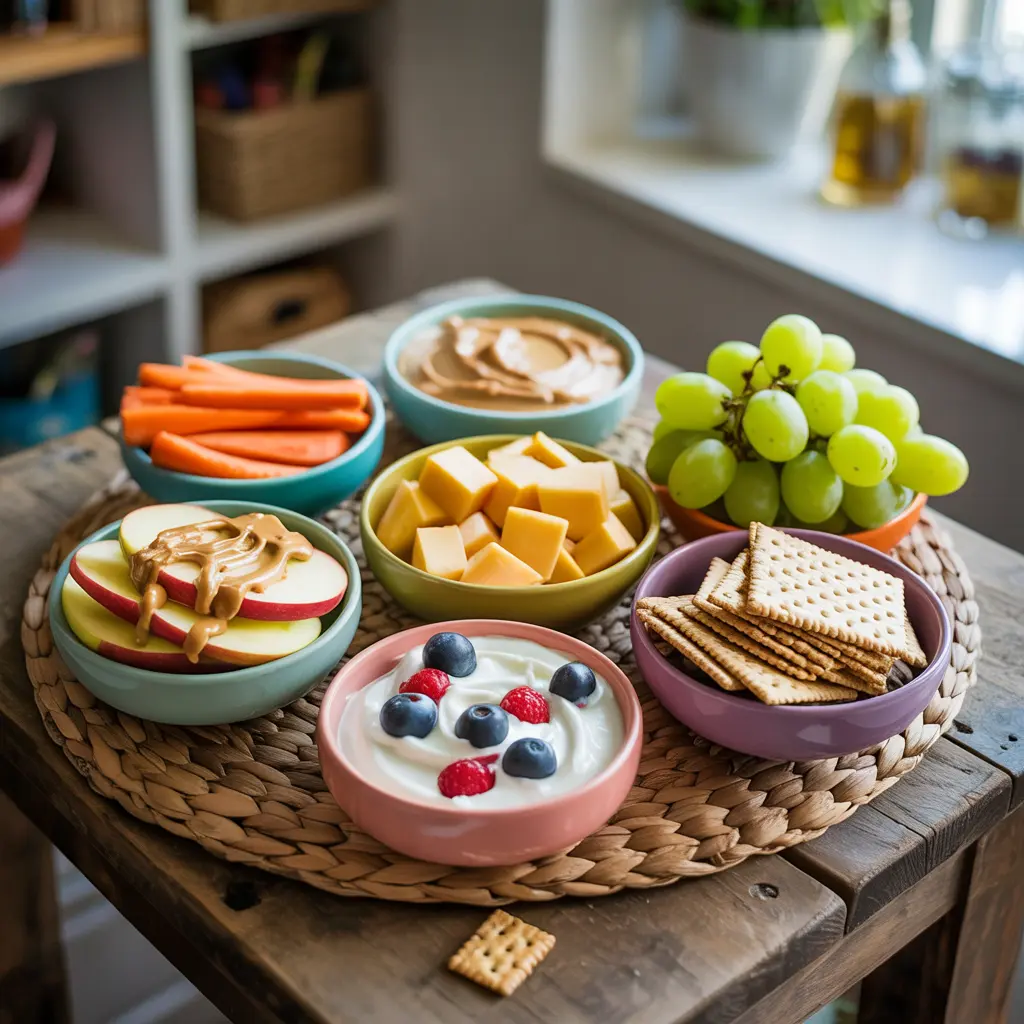
The school bus pulls up, your child bursts through the door, and the first words out of their mouth are “I’m starving!” Sound familiar? The after-school hours present a nutritional opportunity that many parents overlook. Between 3 PM and dinner, children need fuel to power through homework, sports practice, music lessons, and the general chaos of evening routines.
This guide provides 30 after school snack ideas that balance nutrition with practicality. You’ll discover options that take less than 10 minutes to prepare, accommodate common food allergies, fit tight budgets, and actually get eaten by real kids—not just food magazine photographs.
Whether you’re feeding a picky kindergartner or a perpetually hungry teenager, these snacks provide the nutrients growing bodies need without the processed ingredients most parents want to avoid.
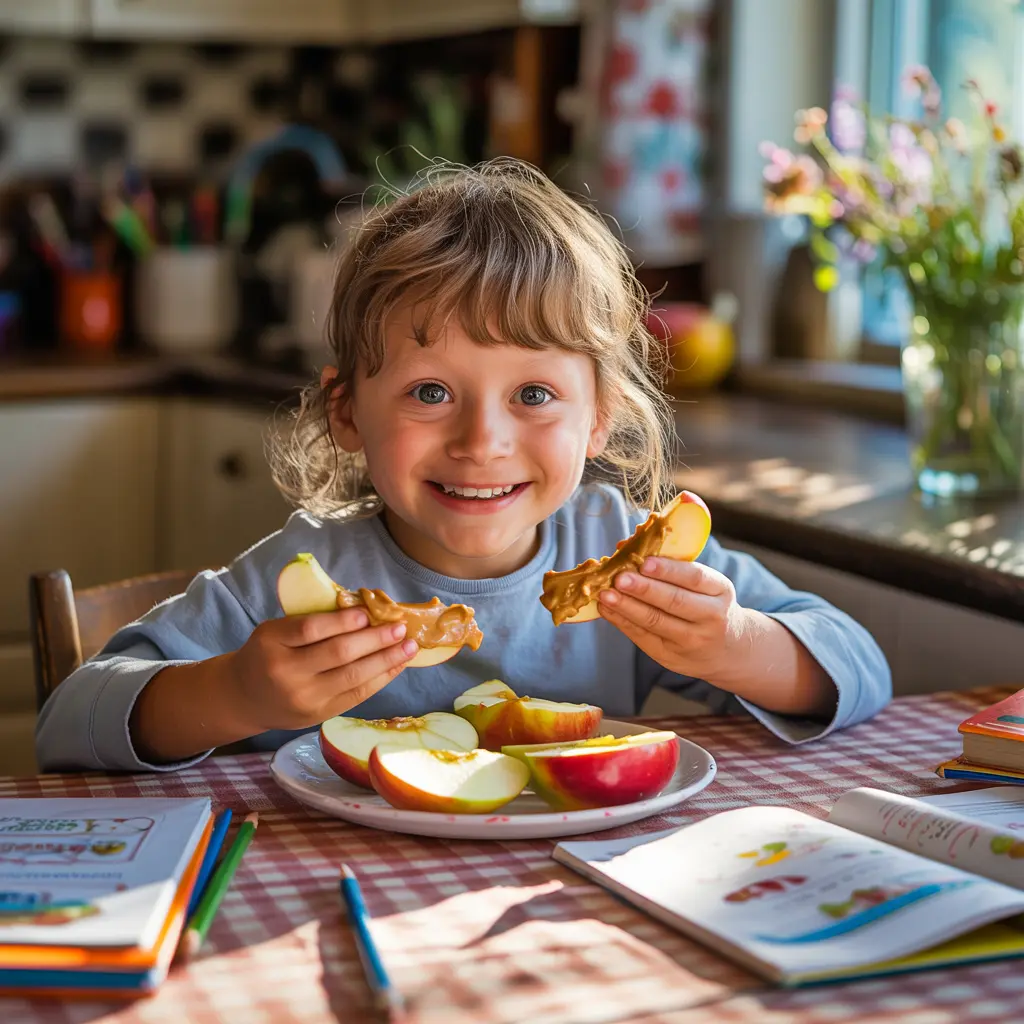
Why After-School Snacks Matter
Children face a significant gap between lunch (typically around 11:30 AM – 12:30 PM) and dinner (usually 5:30 – 7:00 PM). This 5-6 hour stretch is too long for most kids to maintain stable blood sugar and energy levels.
Physical Benefits:
The right snack prevents the energy crash that leads to crankiness, poor focus, and behavioral meltdowns. When blood sugar drops too low, children struggle to regulate emotions and complete tasks efficiently.
Cognitive Support:
Research on student nutrition shows that children who eat balanced snacks demonstrate better homework completion, improved concentration, and enhanced problem-solving abilities during after-school hours.
Athletic Performance:
For children involved in sports or physical activities, post-school snacks provide the glycogen replenishment and protein needed for muscle recovery and optimal performance.
Appetite Regulation:
Moderate snacking prevents excessive hunger that leads to overeating at dinner. Children who arrive at the dinner table ravenous often eat too quickly, choose less nutritious options, or experience digestive discomfort.
Nutrient Gaps:
School lunches don’t always provide complete nutrition. After-school snacks offer opportunities to add fruits, vegetables, whole grains, or protein that may have been missing earlier in the day.
Common Mistakes to Avoid
Many parents offer crackers, cookies, or chips because they’re convenient and accepted. These processed options cause rapid blood sugar spikes followed by crashes, creating a cycle of craving more quick-energy foods.
Skipping snacks entirely to “save appetite for dinner” often backfires, resulting in irritable, unfocused children who can’t complete homework effectively.
Professional Tip:
Think of after-school snacks as “mini-meals” rather than treats. This mindset shift helps you apply the same nutritional standards you use for breakfast, lunch, and dinner.
Nutritional Guidelines for After-School Snacks
Not all snacks provide equal nutrition. The best options combine multiple food groups to deliver sustained energy.
The Two-Food-Group Rule:
Aim for snacks containing at least two of these groups:
- Protein (meat, eggs, beans, nuts, dairy)
- Whole grains (whole wheat, oats, brown rice, quinoa)
- Fruits (fresh, frozen, or dried without added sugar)
- Vegetables (raw, roasted, or steamed)
- Healthy fats (avocado, nuts, seeds, olive oil)
- Dairy or alternatives (milk, yogurt, cheese, fortified plant milks)
Why Combination Matters:
Carbohydrates alone (crackers, pretzels, fruit) digest quickly, providing fast energy that doesn’t last. Adding protein or healthy fats slows digestion, providing steady fuel for 2-3 hours.
Example Combinations:
- Apple (fruit) + peanut butter (protein + fat)
- Whole grain crackers (grain) + cheese (protein + fat)
- Yogurt (protein) + granola (grain)
- Carrots (vegetable) + hummus (protein + fat)
Nutrient Priorities:
Focus on options providing fiber (for satiety and digestive health), protein (for sustained energy and growth), calcium (for bone development), and vitamins from whole foods rather than fortified processed products.
Hydration Consideration:
Children often confuse thirst for hunger. Offer water alongside snacks, particularly for active kids who may arrive home dehydrated.
What to Limit
Added Sugars:
Snacks shouldn’t exceed 6-8 grams of added sugar. Check labels carefully—many “healthy” granola bars contain 12-15 grams per serving.
Sodium:
Aim for snacks under 200mg sodium per serving to avoid excessive salt intake.
Artificial Ingredients:
When possible, choose whole foods over products with long ingredient lists containing preservatives, artificial colors, and chemical additives.
Empty Calories:
Avoid snacks providing energy without nutrients—sodas, candy, chips, and most packaged cookies fall into this category.
Professional Tip:
Read ingredient lists, not just front-of-package marketing claims. Products labeled “natural,” “organic,” or “made with real fruit” may still contain excessive sugar and minimal nutrition.
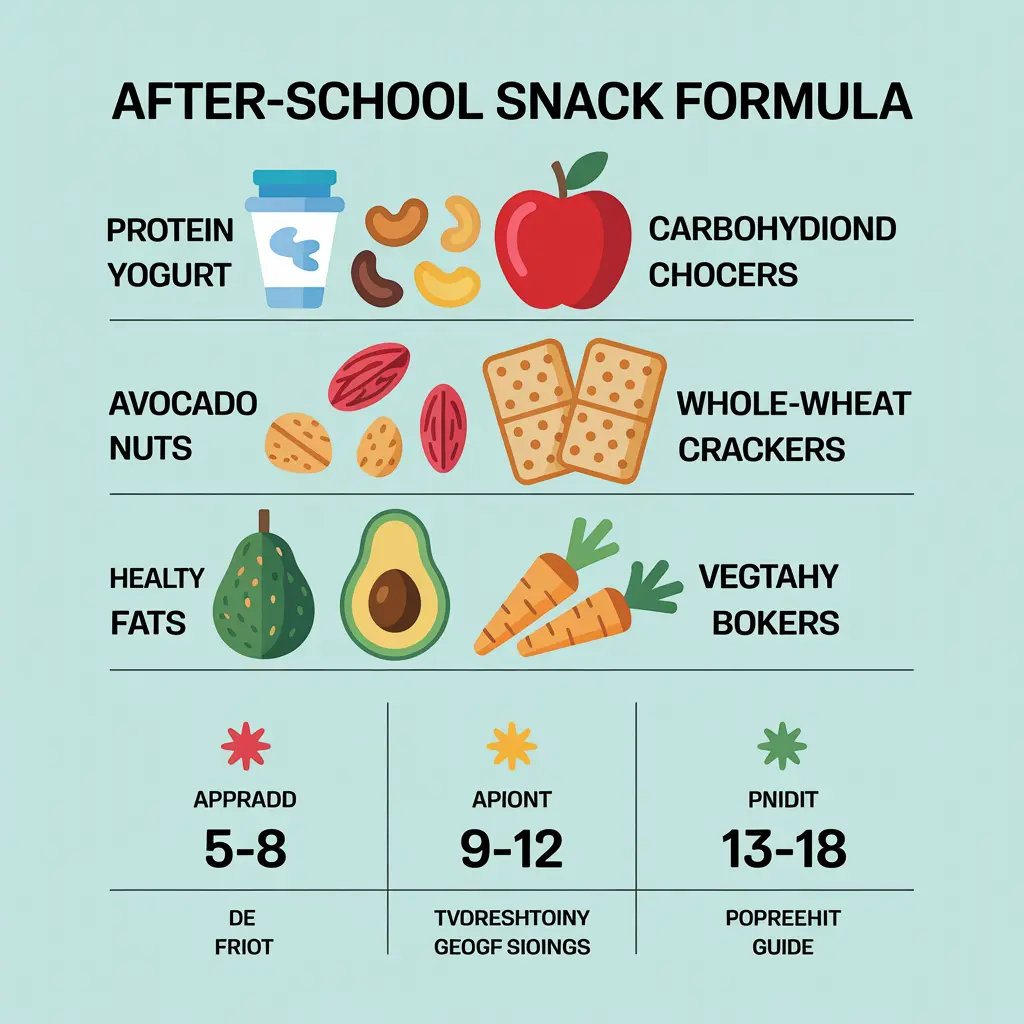
Age-Appropriate Portion Sizes
Portion needs vary significantly based on age, activity level, and individual growth patterns.
Ages 5-8 (Elementary):
- Total snack calories: 150-200
- Example: 1 medium apple + 1 tablespoon peanut butter
- Example: 1 cup raw vegetables + 3 tablespoons hummus
Ages 9-12 (Upper Elementary/Middle School):
- Total snack calories: 200-250
- Example: 1 cup yogurt + ½ cup granola
- Example: 2 cheese sticks + 15 whole grain crackers
Ages 13-18 (High School):
- Total snack calories: 250-350
- Example: Turkey and cheese roll-ups (3 slices) + 1 piece of fruit
- Example: Smoothie with 1 cup milk, 1 banana, 2 tablespoons peanut butter
Activity Adjustments:
Children participating in sports immediately after school need portions at the higher end of their age range, potentially adding an additional 50-100 calories.
Athletes engaged in intensive training (club sports, competitive programs) may require a post-practice second snack before dinner.
Individual Variation:
These are guidelines, not strict rules. Some children genuinely need more food, while others are satisfied with less. Honor hunger cues while ensuring snacks don’t replace dinner.
Signs of Appropriate Portioning
Just Right:
- Child feels satisfied for 2-3 hours
- Appetite for dinner remains normal
- Energy levels stay stable during homework and activities
- No requests for additional snacks immediately after
Too Small:
- Child complains of hunger within 30-60 minutes
- Low energy, difficulty concentrating
- Crankiness or mood swings
- Excessive hunger at dinner
Too Large:
- Child has little appetite at dinner
- Snack takes longer than 15-20 minutes to finish
- Complaints of feeling too full
Professional Tip:
Serve snacks on a plate or in a bowl rather than allowing children to eat from packages. This creates visual awareness of portions and prevents mindless overeating.
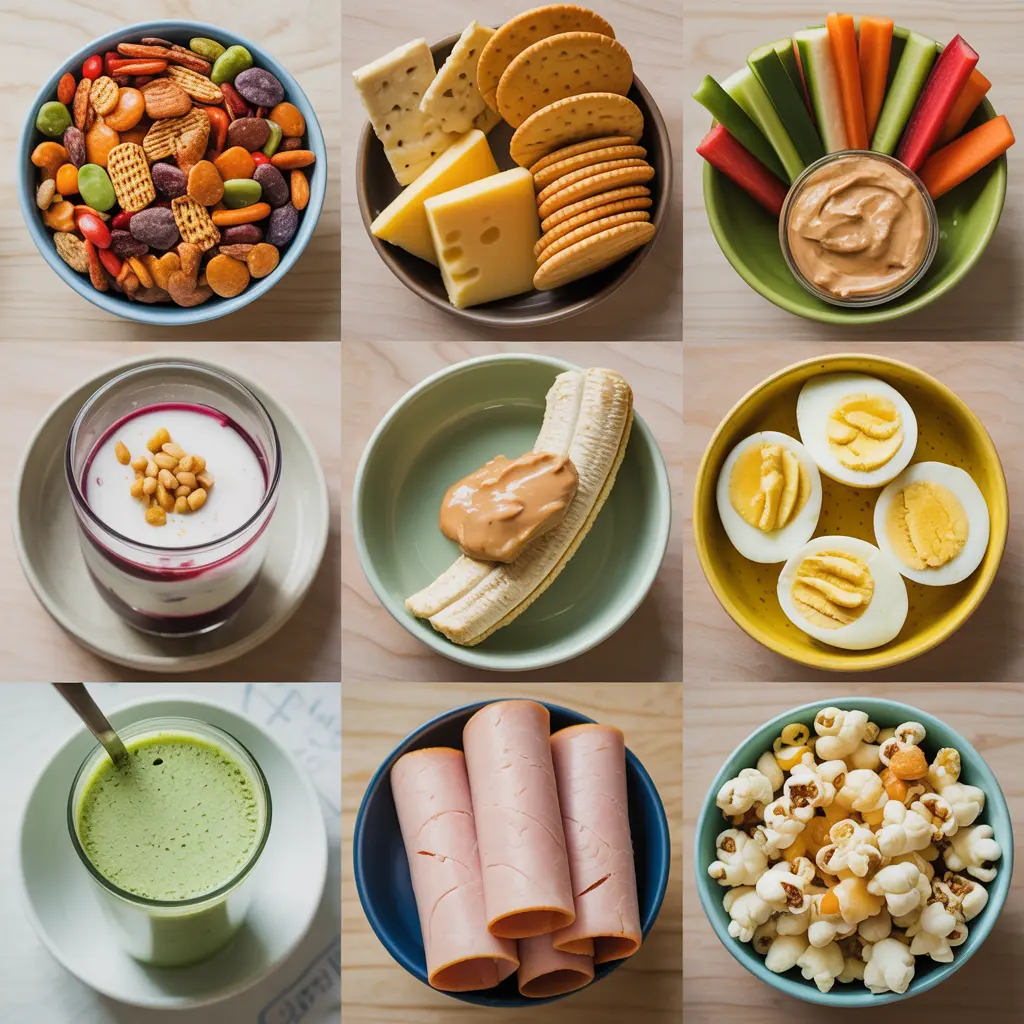
30 Healthy After-School Snack Ideas
Quick Snacks (Under 5 Minutes)
These options require minimal preparation—perfect for hectic weekday afternoons.
1. Apple Slices with Nut Butter
Core and slice one apple, serve with 1-2 tablespoons peanut, almond, or sunflower seed butter. The fiber in apples combined with protein and healthy fats provides 2-3 hours of sustained energy.
2. String Cheese and Grapes
Pair 1-2 string cheese sticks with 1 cup grapes (cut in half for children under 5). Provides calcium, protein, and natural sweetness.
3. Whole Grain Crackers with Cheese
Select crackers with “whole grain” as the first ingredient. Serve 15-20 crackers with 1-2 ounces sliced cheese. Look for crackers containing at least 3 grams of fiber per serving.
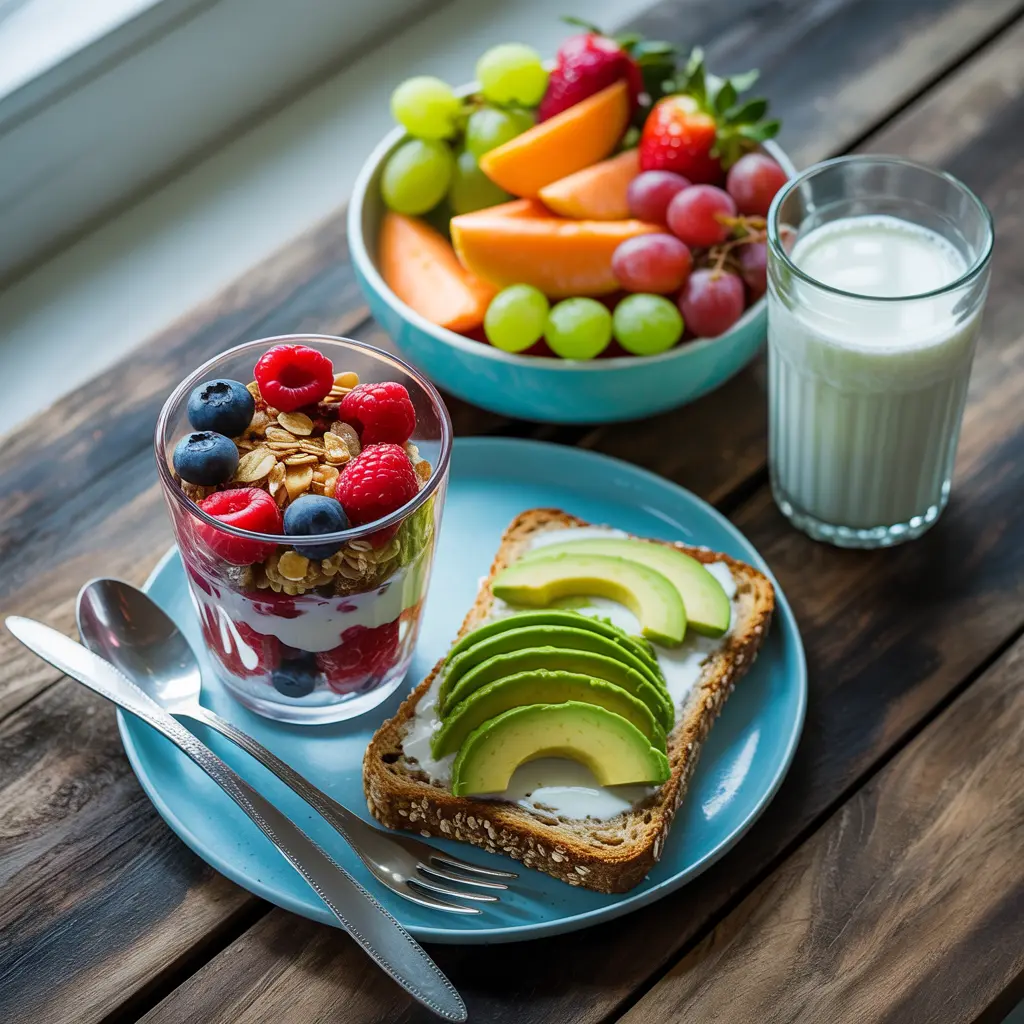
4. Yogurt Parfait
Layer 6-8 ounces plain or lightly sweetened yogurt with ¼ cup granola. Greek yogurt provides double the protein of regular yogurt.
5. Trail Mix
Combine nuts, seeds, dried fruit, and whole grain cereal. Portion into ¼-cup servings for younger children, ½-cup for teens. Make large batches on weekends for grab-and-go convenience.
6. Banana with Peanut Butter
Slice one banana, serve with 1-2 tablespoons peanut butter for dipping. The potassium in bananas supports muscle function—especially valuable for active children.
7. Cottage Cheese and Fruit
Combine ½-1 cup cottage cheese with fresh berries, peaches, or pineapple. High protein content makes this especially filling.
8. Whole Grain Toast with Avocado
Toast 1-2 slices whole grain bread, top with ¼-½ mashed avocado. Add a sprinkle of salt or everything bagel seasoning for flavor.
Protein-Packed Options
Protein provides the longest-lasting satiety and supports growth and muscle development.
9. Hard-Boiled Eggs
Prepare a dozen eggs on Sunday for easy weekday access. Serve 1-2 eggs with a sprinkle of salt or a few whole grain crackers. Eggs provide complete protein with all essential amino acids.
10. Turkey and Cheese Roll-Ups
Wrap a slice of cheese in a slice of turkey breast. No bread required. Add cucumber slices or bell pepper strips for crunch.
11. Edamame
Steam or microwave frozen edamame in pods. Sprinkle with sea salt. One cup provides 17 grams of plant-based protein plus fiber. Kids enjoy the interactive experience of popping beans from pods.
12. Greek Yogurt Ranch Dip with Vegetables
Mix Greek yogurt with ranch seasoning powder. Serve with carrot sticks, celery, bell pepper strips, and cucumber slices. Provides protein from yogurt plus vegetables most kids skip.
13. Tuna or Chicken Salad on Crackers
Mix canned tuna or chicken with a small amount of mayonnaise or Greek yogurt. Serve on whole grain crackers or cucumber rounds. Omega-3 fatty acids in tuna support brain development.
14. Peanut Butter Energy Balls
Mix 1 cup peanut butter, ½ cup honey, 2 cups oats, ½ cup mini chocolate chips. Roll into balls, refrigerate. One ball provides 150-180 calories with protein, whole grains, and healthy fats.
Fruit-Based Snacks
Fruit provides natural sugars for quick energy, plus fiber to prevent blood sugar spikes.
15. Fruit Smoothie
Blend 1 cup milk (dairy or fortified plant-based), 1 banana, ½ cup berries, 1 tablespoon peanut butter, optional handful spinach. Smoothies hide vegetables kids typically refuse.
16. Apple “Cookies”
Slice apples into rounds, remove core to create a hole. Spread with peanut butter, top with granola, raisins, or mini chocolate chips. The presentation makes healthy food fun.
17. Frozen Grapes
Wash and freeze grapes on a baking sheet, then transfer to a freezer bag. Frozen grapes provide a refreshing, naturally sweet treat that takes longer to eat, promoting satisfaction.
18. Fruit Kabobs
Thread strawberries, pineapple chunks, grapes, and melon cubes on skewers. Add cheese cubes for protein. Visual appeal increases acceptance of fruit.
19. Orange Segments and Almonds
Peel and segment one orange, serve with 15-20 almonds. Vitamin C supports immune function while almonds provide protein and healthy fats.
20. Berries with Whipped Cream
Top 1 cup fresh berries with a small amount of whipped cream (regular or coconut). Berries rank among the most nutrient-dense fruits with high antioxidant content.
Vegetable Snacks Kids Enjoy
Vegetables are the food group most commonly missing from children’s diets.
21. Vegetable Sticks with Hummus
Cut carrots, celery, bell peppers, and cucumbers into sticks. Serve with ¼ cup hummus. The protein in chickpea-based hummus makes vegetables more satisfying.
22. Cherry Tomatoes and Mozzarella
Combine cherry tomatoes with small mozzarella balls (ciliegine). Drizzle with a tiny amount of balsamic vinegar if desired. This Italian-inspired combination appeals to many kids.
23. Roasted Chickpeas
Drain and rinse canned chickpeas, toss with olive oil and seasonings, roast at 400°F for 30-40 minutes until crispy. Make large batches—they keep for 3-5 days. Provide the crunch kids crave with plant-based protein.
24. Cucumber Rounds with Cream Cheese
Slice cucumber into ½-inch rounds, top each with ½ teaspoon cream cheese or flavored cream cheese. Add a small cherry tomato half on top. Looks like fancy appetizers but takes minutes.
25. Sweet Potato Chips
Thinly slice sweet potatoes, toss with olive oil, bake at 375°F for 20-25 minutes, flipping halfway. Homemade versions contain less sodium and more nutrients than packaged chips.
Whole Grain Choices
Whole grains provide complex carbohydrates that release energy slowly.
26. Whole Grain Cereal with Milk
Select cereals with at least 3 grams of fiber and less than 8 grams of sugar per serving. Serve with milk for added protein and calcium. Not just for breakfast.
27. Popcorn
Air-pop popcorn or use minimal oil. Season with parmesan cheese, nutritional yeast, or cinnamon. Three cups of popped popcorn contains only 100 calories but provides whole grain satisfaction.
28. Whole Wheat Pita with Hummus
Cut whole wheat pita into triangles, serve with hummus or tzatziki for dipping. Provides complex carbs and protein.
Dairy and Dairy-Alternative Snacks
Dairy products (or fortified alternatives) support bone development through calcium and vitamin D.
29. Chocolate Milk
Sometimes the simplest options work best. Choose milk with minimal added sugar or make your own using 8 ounces milk and 1 tablespoon chocolate syrup. Provides the same protein and calcium as regular milk.
30. Yogurt Tubes (Frozen or Refrigerated)
Freeze yogurt tubes for a cold, creamy treat or serve refrigerated. Choose options with minimal added sugar. Portable and mess-free.
Professional Tips for Success
Preparation is Everything:
Wash and cut vegetables on Sunday. Portion trail mix into small containers. Hard-boil a dozen eggs. Ten minutes of weekend prep creates five days of 2-minute snacks.
Create a Snack Station:
Designate one cabinet or refrigerator shelf for after-school snacks. Children can independently select from pre-approved options, building autonomy and reducing parent workload.
Rotation Prevents Boredom:
Keep 5-7 options in regular rotation. Introduce one new snack every 2-3 weeks rather than overwhelming with constant variety.
Presentation Matters:
Use colorful plates, arrange food in appealing patterns, provide small dipping bowls. Children eat with their eyes first.
Organizing Your Snack System
The difference between snack success and daily stress often comes down to organization.
The Snack Shelf Method:
Dedicate one refrigerator shelf to snack-ready items: pre-cut vegetables in water, yogurt cups, cheese sticks, hard-boiled eggs, and hummus containers. In the pantry, create a similar system with whole grain crackers, pouches of nut butter, dried fruit, and unsweetened applesauce cups.
Batch Preparation Schedule:
Sunday (10 minutes):
- Wash and cut vegetables (carrots, celery, peppers)
- Hard-boil eggs
- Portion trail mix into containers
- Prep any baked items (muffins, energy balls)
Wednesday (5 minutes):
- Refresh vegetables as needed
- Restock grab-and-go items
Benefits:
Children can self-serve without assistance, reducing the “Mom, what can I have?” question. Working parents arriving home with children can skip snack prep and move directly to dinner preparation or homework help.
Storage Guidelines:
Vegetables in water: Store cut carrots, celery, and peppers submerged in water in sealed containers. Change water every 2 days. Lasts 5-7 days.
Hard-boiled eggs: Keep in shells until serving. Last 7 days refrigerated.
Energy balls and baked items: Refrigerate for 7 days or freeze for 3 months.
Hummus: Once opened, use within 5-7 days.
Common Mistakes
Buying fresh items without immediate prep plans leads to waste. That bag of carrots stays untouched because cutting them feels like a barrier on a Tuesday at 4 PM.
Over-portioning prep items results in food waste. Start with 3-4 days’ worth rather than a full week.
Professional Tip:
Involve children in Sunday prep. Kids are more likely to eat vegetables they helped wash and cut. Even young children can snap green beans, rinse berries, or transfer snacks into containers.
Budget-Friendly Snack Strategies
Healthy snacking doesn’t require expensive specialty foods.
Most Cost-Effective Options:
- Eggs (approximately $0.25-0.35 per egg)
- Bananas (approximately $0.20-0.30 per banana)
- Carrots (approximately $0.30-0.40 per serving)
- Oatmeal (made into energy balls or overnight oats)
- Popcorn kernels (approximately $0.15 per 3-cup serving)
- Peanut butter (approximately $0.20-0.30 per tablespoon)
- Whole grain bread (approximately $0.30-0.40 per slice)
- Seasonal fruits (buy what’s on sale)
- Canned beans (for hummus or roasted chickpeas, approximately $0.40 per serving)
Skip These Expensive Items:
Pre-cut fruits and vegetables cost 200-300% more than whole versions you cut yourself. Individual snack packs (crackers, cookies, cheese) charge a significant premium for convenience packaging.
Savings Strategies:
Buy in bulk: Purchase nuts, seeds, dried fruit, and whole grains from bulk bins at significantly lower prices.
Choose store brands: Generic whole grain crackers, cheese, and yogurt typically cost 20-40% less than name brands with identical nutrition.
Prioritize versatility: Foods serving multiple purposes provide better value. Greek yogurt works for snacks, breakfast, and as a cooking ingredient.
Frozen options: Frozen berries cost less than fresh (except during peak season) and don’t spoil. Use in smoothies or thaw for yogurt parfaits.
Grow simple items: If space allows, cherry tomatoes, herbs, and snap peas grow easily in small gardens or containers, providing fresh snacks at minimal cost.
Weekly Budget Example
For one child, expect to spend $10-15 weekly on dedicated after-school snacks (excluding items also used for other meals like bread, peanut butter, or milk).
Sample $12 Budget:
- 1 dozen eggs: $3
- 2 lbs carrots: $2
- Bananas (7): $2
- Store-brand yogurt (6-pack): $3
- Popcorn kernels: $2
This provides 5 days of varied snacks combining the options above.
Professional Tip:
Shop your pantry first. Many families already own ingredients for healthy snacks—oats, peanut butter, whole grain bread, canned beans—but default to packaged convenience foods out of habit.
Handling Picky Eaters
Nearly every parent faces snack rejection at some point.
Exposure Strategy:
Research on childhood eating patterns shows that children often need 10-15 exposures to a new food before acceptance. Don’t give up after one refusal.
Pairing Method:
Serve one familiar, accepted food alongside one new or less-preferred option. The security of the known food reduces anxiety about trying something different.
Example: If your child loves crackers but refuses vegetables, serve crackers with a small amount of cucumber or bell pepper. No pressure to eat the vegetable—it’s simply present.
Involvement Increases Acceptance:
Children who participate in food selection and preparation eat a wider variety of foods. Take kids grocery shopping and allow them to choose one new fruit or vegetable weekly. Involve them in age-appropriate prep tasks.
Presentation Variations:
Some children reject raw carrots but enjoy roasted carrots. Others eat cherry tomatoes but refuse sliced tomatoes. Texture and presentation significantly impact acceptance.
Deconstructed Approach:
Rather than mixing foods together, serve components separately. Some children prefer yogurt and granola separated rather than combined in a parfait.
What Not to Do
Avoid food rewards: Using dessert as a reward for eating vegetables creates a hierarchy where vegetables are undesirable tasks and sweets are prizes. This undermines long-term healthy eating.
Don’t force eating: Pressuring children to finish snacks creates negative associations and can disrupt natural hunger regulation.
Skip the short-order cook routine: Prepare one snack option. If refused, wait until the next scheduled meal rather than making multiple alternatives. Children learn to accept available options.
Don’t label children: Calling a child a “picky eater” reinforces that identity. Instead, frame it as “still learning to like new foods.”
Professional Tip:
Model the eating behaviors you want to see. Children who observe parents eating and enjoying vegetables, trying new foods, and speaking positively about nutrition are more likely to adopt similar patterns.
Common After-School Snack Mistakes
Even well-intentioned parents make errors that undermine snack effectiveness.
Mistake 1: Serving Snacks Too Close to Dinner
The Problem: Snacks served within 90 minutes of dinner interfere with appetite for the more nutritionally complete meal.
The Solution: Establish a snack schedule—typically 3:30-4:30 PM if dinner occurs around 6:00-6:30 PM. Adjust based on your family’s schedule but maintain the 2-hour minimum gap.
Mistake 2: Unlimited Portion Sizes
The Problem: Allowing children to eat unlimited quantities of even healthy foods can lead to excessive calorie intake and reduced dinner appetite.
The Solution: Pre-portion snacks on plates or in bowls. When the portion is gone, snack time ends.
Mistake 3: All Carbohydrate Snacks
The Problem: Crackers, pretzels, fruit, or granola bars alone provide quick energy that doesn’t last, leading to requests for more food 30-60 minutes later.
The Solution: Always pair carbohydrates with protein or healthy fats. Add cheese to crackers, nut butter to fruit, nuts to granola bars.
Mistake 4: Using Snacks as Entertainment
The Problem: Snacking while watching screens or playing games teaches mindless eating patterns and disconnects eating from hunger signals.
The Solution: Create a snack-eating location (kitchen table, breakfast bar) where children sit and focus on food for 10-15 minutes before moving to other activities.
Mistake 5: Too Many Choices
The Problem: Offering 10 different options overwhelms children and increases food waste from rejected items.
The Solution: Provide 2-3 choices maximum. “Would you like apple slices with peanut butter or cheese and crackers?”
Mistake 6: All Pre-Packaged Convenience Foods
The Problem: Most packaged “snack foods” contain excessive sodium, added sugars, and preservatives while lacking fiber and protein.
The Solution: Make pre-packaged items (granola bars, crackers) only 20-30% of snack rotation. Emphasize whole foods like fruits, vegetables, nuts, dairy, and eggs.
Mistake 7: Ignoring Hydration
The Problem: Children often interpret thirst as hunger, leading to unnecessary snacking.
The Solution: Offer water first, wait 10 minutes, then provide snacks if hunger persists.
Quick Summary
Feed children 2-3 hours before dinner, pre-portion servings, always combine food groups, eliminate distractions during eating, limit choices, and emphasize whole foods over packaged products.
Professional Tip:
If children consistently reject snacks but then eat enormous dinners, they may not actually need afternoon snacks. Some children genuinely don’t require mid-afternoon eating. Honor individual hunger patterns rather than forcing snacks because “it’s snack time.”
FAQs
What time should kids have an after-school snack?
The ideal timing is 2-3 hours before dinner. For most families, this means 3:30-4:30 PM if dinner occurs around 6:00-6:30 PM. Earlier than 3:00 PM may be too close to lunch; later than 5:00 PM interferes with dinner appetite. Adjust based on your child’s school dismissal time and your dinner schedule. Athletes with immediate post-school practice should eat a small snack before practice and potentially a second small snack afterward if dinner is more than 90 minutes away.
How much should a child eat for an after-school snack?
Elementary-age children (5-8 years) typically need 150-200 calories. Older children (9-12 years) need 200-250 calories. Teenagers (13-18 years) may require 250-350 calories depending on activity level. These ranges equal about 10-15% of total daily calorie needs. Physically active children engaged in sports or intensive activities may need portions at the higher end of their age range. The snack should satisfy hunger until dinner without replacing the evening meal.
Are after-school snacks necessary?
For most children, yes. The typical gap between school lunch (11:30 AM – 12:30 PM) and dinner (6:00-7:00 PM) is 5-6 hours—too long for stable blood sugar and energy levels. However, some children genuinely don’t feel hungry mid-afternoon and eat well at dinner. Don’t force snacks on children without hunger. Signs a snack is needed include crankiness, low energy, difficulty focusing on homework, or excessive hunger at dinner leading to overeating.
What makes a snack healthy for kids?
Healthy snacks contain at least two food groups, provide nutrients beyond just calories, include fiber and/or protein for sustained energy, contain minimal added sugars (under 8 grams per serving), and use whole food ingredients rather than heavily processed products. The best combinations pair protein with complex carbohydrates, or healthy fats with fruits or vegetables. Examples include apple with peanut butter, yogurt with granola, cheese with whole grain crackers, or vegetables with hummus.
What are good after-school snacks for picky eaters?
Start with accepted foods and gradually add variety. If your child likes cheese, try different cheese types or presentations (cubes, slices, string cheese). Dipping increases acceptance—offer vegetables with ranch dip made from Greek yogurt, or fruit with yogurt. Involve children in selection and preparation. Deconstructed snacks (ingredients served separately rather than mixed) appeal to many picky eaters. Don’t force new foods, but continue offering them alongside familiar options. Acceptance often takes 10-15 exposures.
Can after-school snacks help with homework focus?
Yes. Balanced snacks stabilize blood sugar, which directly impacts concentration, memory, and cognitive function. Children attempting homework on an empty stomach or after eating high-sugar snacks that cause blood sugar crashes struggle with focus and problem-solving. Snacks containing protein and complex carbohydrates provide steady glucose to the brain for optimal academic performance. Plan snacks before homework time rather than during, as eating while working creates distraction.
What are the best nut-free after-school snacks
For children with nut allergies or attending nut-free schools, try sunflower seed butter or soy nut butter on fruit or crackers, string cheese with grapes, yogurt parfaits, hard-boiled eggs, hummus with vegetables, edamame, turkey and cheese roll-ups, whole grain toast with avocado, smoothies made with seeds instead of nut butter, or trail mix using seeds and dried fruit. Many healthy snack options naturally contain no nuts.
How can I save money on after-school snacks?
Focus on whole foods rather than pre-packaged items. Eggs, bananas, carrots, seasonal fruits, peanut butter, whole grain bread, and popcorn kernels cost significantly less than convenience snacks. Buy store brands instead of name brands. Purchase items in larger quantities and portion them yourself rather than buying individual packages. Prep your own snacks on weekends—homemade energy balls, muffins, or granola cost 50-75% less than store-bought equivalents. Buy frozen fruit instead of fresh (except during peak season), and choose canned beans for homemade hummus.
Should I let my child choose their own after-school snack?
Yes, within boundaries. Create a designated snack area with pre-approved options. Allow children to choose from those items independently. This builds decision-making skills and autonomy while ensuring nutritional standards are met. For younger children (under 8), offer 2-3 specific choices rather than open-ended questions. For older children and teens, stock acceptable options and allow independent selection. Avoid keeping foods you don’t want them to eat—if it’s in the house, assume they’ll eventually eat it.
What should student athletes eat for after-school snacks?
Active children need snacks supporting both immediate energy and muscle recovery. Ideal options include chocolate milk (provides protein and carbohydrates in optimal ratios), yogurt parfaits with granola, turkey and cheese sandwiches, smoothies with protein powder or nut butter, trail mix with nuts and dried fruit, hard-boiled eggs with whole grain crackers, or string cheese with fruit. Athletes may need larger portions (upper end of their age range) and potentially a second small snack post-practice if dinner is delayed. Hydration is equally important—ensure water intake before, during, and after activity.





Leave a Reply