
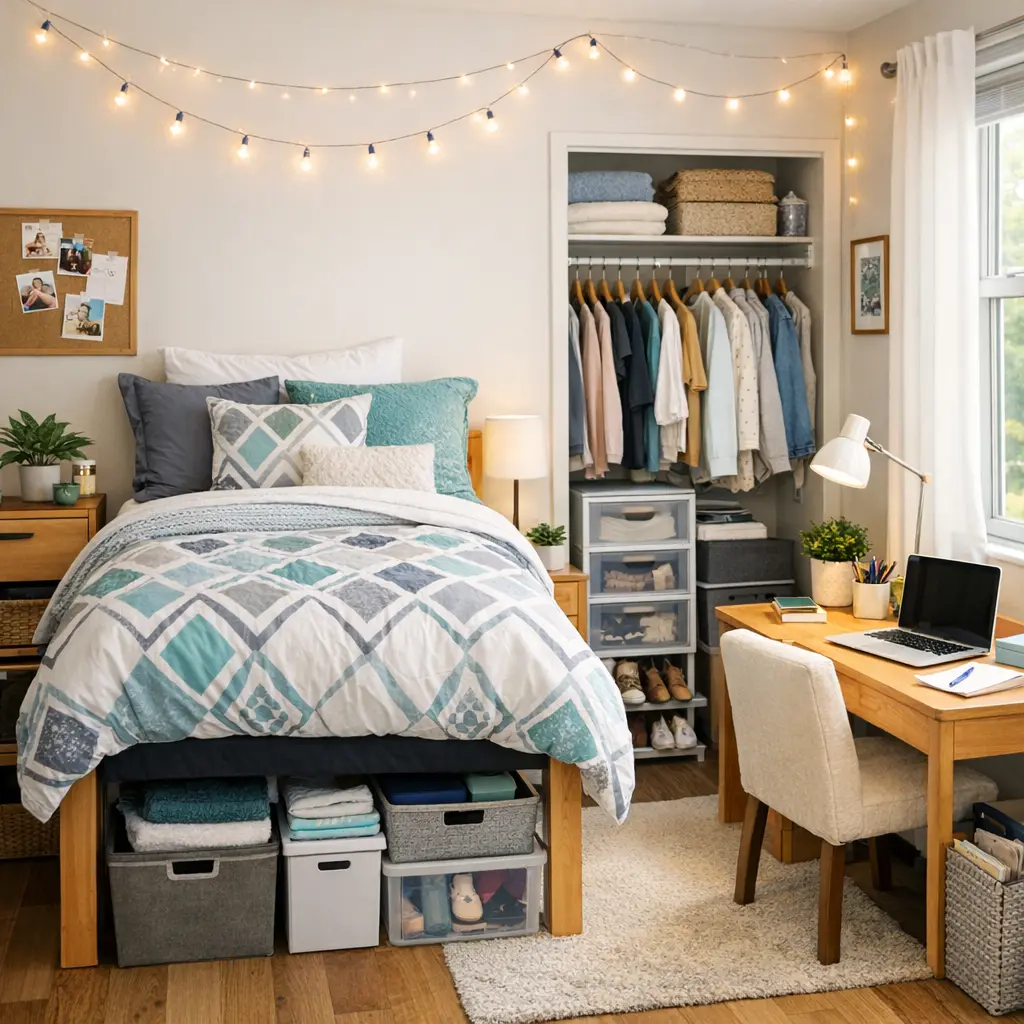
Moving into your first college dorm can feel overwhelming. Between classes, new friends, and independence, you need your living space to work smoothly. This complete guide covers every college dorm essential you actually need, organized by category and priority level. You’ll learn what to bring, what to skip, and how to set up a functional space without overspending.
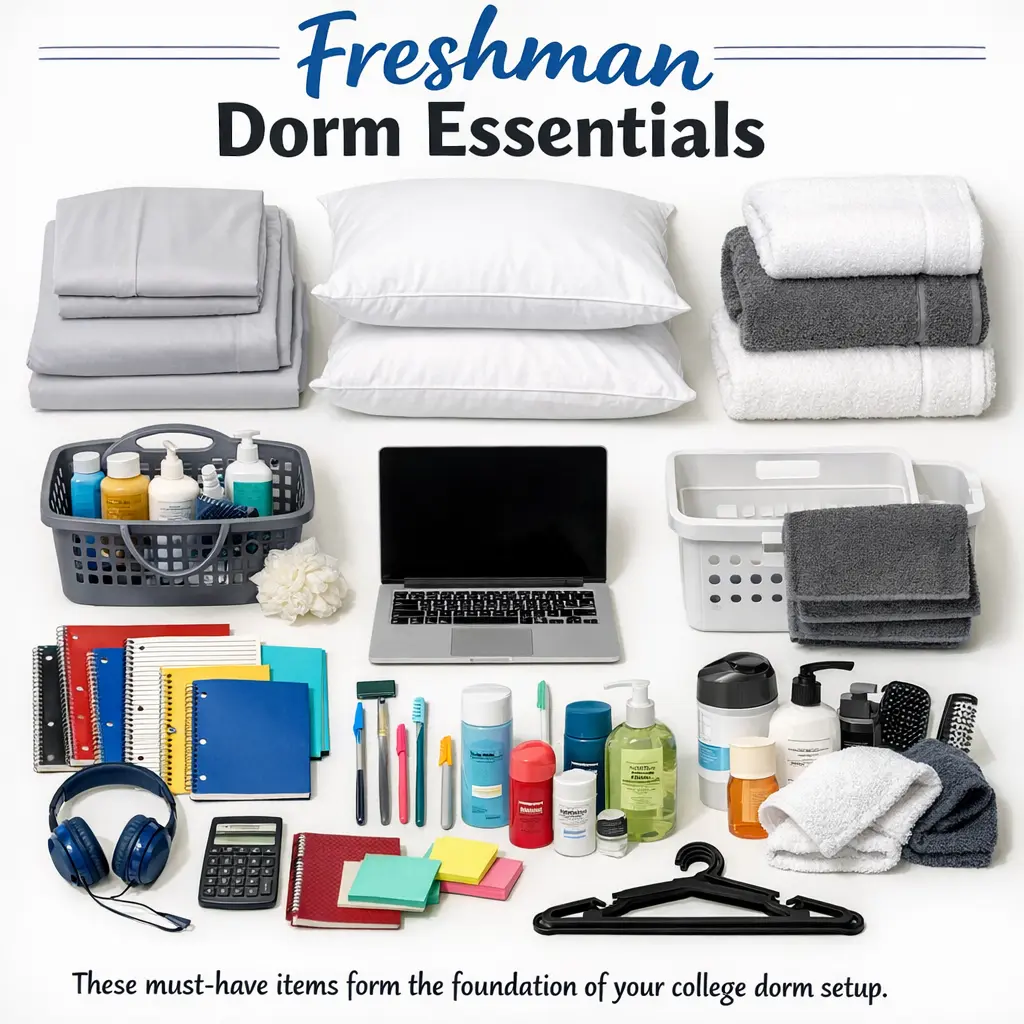
Understanding Your Dorm Room Setup
Before buying anything, understand what you’re working with.
Most dorm rooms range from 100 to 200 square feet and include basic furniture: a twin XL bed, desk, chair, and closet or wardrobe. Some schools provide dressers or shelving units. Community-style dorms share bathrooms down the hall, while suite-style rooms include private or semi-private bathrooms.
Check your housing assignment details for:
- Exact room dimensions
- Included furniture list
- Bathroom type (shared vs. suite)
- Prohibited items list
- Bed size confirmation (usually twin XL)
- Kitchen access or restrictions
- Provided amenities (WiFi, cable, mini fridge, microwave)
This information prevents duplicate purchases and ensures compliance with housing rules.
Common mistake: Buying storage furniture before seeing the room layout. Wait until move-in day or orientation to assess actual space needs.
Professional tip: Most colleges provide virtual tours or photo galleries of dorm rooms. Review these carefully or contact current students for real photos.
Before You Shop: Critical First Steps
Take these actions before spending money on college dorm essentials.
Step 1: Read your housing contract and policies
Schools prohibit specific items for safety reasons—typically candles, incense, hot plates, halogen lamps, and certain appliances. Violating these rules can result in fines or housing probation.
Step 2: Connect with your roommate
Discuss shared items to avoid bringing two mini fridges, microwaves, or TVs. Create a shared spreadsheet to track who brings what.
Step 3: Ask about storage limitations
Some schools restrict bed risers, command strips, or certain storage types. Confirm what’s allowed before purchasing.
Step 4: Create a priority budget
Separate must-haves (sleep, hygiene, academics) from nice-to-haves (decor, entertainment). Allocate funds accordingly.
Step 5: Check if your school offers Welcome Week sales
Many colleges partner with retailers for discounted dorm essentials during orientation week.
Bedding Essentials (Must-Have)
Quality sleep directly impacts academic performance. These bedding items are non-negotiable college dorm essentials.
Twin XL Sheets and Mattress Pad
Standard twin sheets don’t fit dorm beds. Twin XL mattresses measure 38 inches wide by 80 inches long—5 inches longer than regular twin beds.
What to buy:
- 2 sets of twin XL fitted sheets
- 2 twin XL flat sheets
- Twin XL mattress pad or topper (for comfort)
- Waterproof mattress protector (protects against spills and stains)
Benefits: Multiple sheet sets mean you can wash one set while using another. Mattress protectors extend the life of dorm mattresses and protect against allergens.
Common mistake: Buying regular twin sheets because they’re cheaper. They’ll pop off the corners constantly.
Professional tip: Choose cotton or microfiber sheets for durability and easy care. Jersey knit sheets feel softer but pill faster.
Comforter or Duvet
Your comforter provides warmth and sets your room’s style.
Options:
- All-season comforter (medium weight)
- Duvet with removable cover (easier to wash)
- Separate light blanket plus heavier comforter for temperature control
What to consider:
- Dorm climate control varies widely
- Machine washability
- Storage space when not in use
Professional tip: Bring a lighter blanket for early fall and late spring. Many dorms overheat in winter but lack AC in shoulder seasons.
Pillows
Bring at least two pillows—one for sleeping and one for sitting up in bed while studying or relaxing.
Recommended:
- 2 sleeping pillows with pillowcases
- 1-2 decorative pillows for back support
Action step: Test pillows before college. Neck pain from poor pillows affects sleep quality and focus.
Bathroom and Personal Care Items
Whether you have a suite bathroom or share community facilities, these items keep you clean and healthy.
Shower Essentials
Must-haves:
- Shower caddy (mesh or plastic with drainage holes)
- Flip-flops or shower shoes (prevents foot infections)
- Quick-dry towels (2-3 bath towels, 2 hand towels)
- Bathrobe or cover-up for walking to/from shared bathrooms
- Toiletry bag for carrying items
Why this matters: Community bathrooms require you to transport items back and forth. A good caddy system prevents forgotten shampoo or wet floors in your room.
Common mistake: Buying a shower caddy without drainage. Pooled water breeds mold and bacteria.
Professional tip: Microfiber towels dry faster in small spaces and take up less room than cotton towels.
Daily Toiletries
Stock up on travel-size or regular toiletries:
- Shampoo and conditioner
- Body wash or soap
- Face wash
- Toothbrush and toothpaste
- Deodorant
- Razor and shaving cream
- Moisturizer and sunscreen
- Feminine hygiene products
- Hair styling products
- Medications and first aid supplies
Action step: Buy toiletries near campus after arrival. This saves luggage space and you’ll know what’s available locally.
First Aid and Health
Basic health supplies:
- Pain relievers (ibuprofen, acetaminophen)
- Allergy medication
- Cold and flu medicine
- Band-aids and antibiotic ointment
- Thermometer
- Heating pad
- Ice pack
- Prescription medications (bring enough for first month)
Professional tip: Locate your campus health center before you need it. Many provide free or low-cost basic medications.
Storage and Organization Solutions
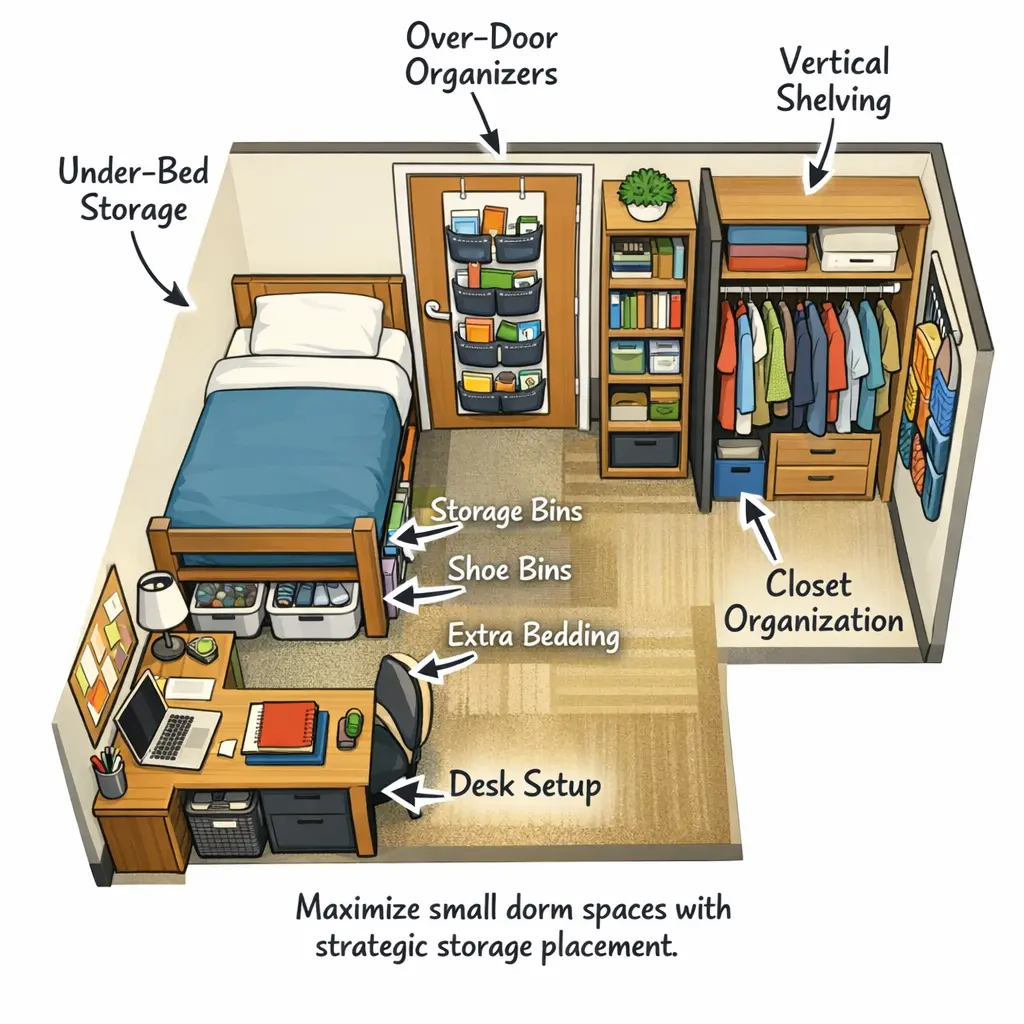
Small dorm rooms require creative storage. These college dorm essentials maximize your limited space.
Vertical Storage
Use wall and door space to keep floors clear.
Effective solutions:
- Over-the-door hooks (for towels, bags, robes)
- Over-the-door shoe organizer (stores shoes, toiletries, snacks)
- Command hooks and strips (damage-free hanging)
- Wall-mounted shelves (if allowed)
- Hanging closet organizers (adds shelving in closets)
Benefits: Vertical storage doesn’t consume floor space and keeps frequently used items accessible.
Limitations: Check your housing policy on adhesives. Some schools restrict or prohibit certain hanging methods.
Common mistake: Using nails or thumbtacks, which violate most housing policies and result in damage fees.
Under-Bed Storage
The space under your bed offers significant storage potential.
Options:
- Bed risers (creates 5-8 inches of additional clearance)
- Under-bed storage bins (shallow plastic containers)
- Rolling drawers (easy access to stored items)
- Vacuum storage bags (for seasonal clothing)
What fits underneath:
- Out-of-season clothing
- Extra bedding
- Shoes
- Cleaning supplies
- Snacks and food storage
Professional tip: Measure your bed’s current clearance before buying under-bed storage. Some beds already sit high enough without risers.
Desktop and Closet Organization
Keep study and clothing areas tidy with these tools:
Desk organization:
- Desktop organizer or drawer dividers
- Cable management clips
- File folders or binders
- Desk lamp with storage base
- Cork board or whiteboard
Closet organization:
- Slim velvet hangers (save space vs. plastic hangers)
- Hanging sweater organizer
- Belt/tie organizer
- Shoe rack or hanging shoe storage
- Storage bins for accessories
Action step: Count your hangers before move-in day. Most students need 30-50 hangers depending on clothing volume.
Technology and Electronics
These college dorm essentials keep you connected, charged, and productive.
Core Electronics
Must-haves:
- Laptop or tablet (check your major’s requirements)
- Smartphone
- Charging cables (bring extras)
- Headphones or earbuds (for shared spaces)
- USB flash drive or external hard drive (backup important files)
Professional tip: Many colleges offer free or discounted software for students. Wait to purchase Microsoft Office or Adobe products until you check student resources.
Power and Connectivity
Essential items:
- Surge protector power strip (6-8 outlets minimum)
- Extension cord (3-6 feet)
- USB wall charger with multiple ports
- Phone stand or charging dock
- Laptop lock (for library and common area use)
Why surge protection matters: Power surges can damage expensive electronics. A quality surge protector prevents data loss and equipment replacement.
Common mistake: Bringing only one charging cable. Cables break or get lost. Keep backups.
Professional tip: Choose a power strip with widely spaced outlets to accommodate large adapters.
Optional Tech
Nice-to-have items:
- Bluetooth speaker (for music)
- TV or streaming device (coordinate with roommate)
- Gaming console
- Printer (check campus printing options first—many offer free printing)
- Webcam upgrade (if laptop camera is poor quality)
Budget consideration: Wait a few weeks before buying optional electronics. You’ll learn what you actually miss.
Kitchen and Food Essentials
Even without a full kitchen, you need basic food prep and storage items.
Allowed Appliances
Check your housing policy, then consider:
Typically allowed:
- Mini refrigerator (often 4 cubic feet or smaller)
- Microwave (usually shared between roommates)
- Electric kettle or coffee maker (varies by school)
- Blender
Usually prohibited:
- Hot plates
- Toaster ovens
- Air fryers
- Instant pots
- George Foreman grills
- Any appliance with exposed heating elements
Professional tip: Some schools rent mini fridges and microwaves as a package. Compare rental vs. purchase costs.
Food Storage and Dishes
Basic kitchen supplies:
- Reusable water bottle
- Travel mug or coffee tumbler
- Cereal bowls (2-3)
- Plates (microwave-safe, 2-3)
- Cups or glasses (2-3)
- Silverware set
- Can opener
- Cooking utensils (if microwave cooking)
- Food storage containers
- Plastic wrap or aluminum foil
- Paper towels and napkins
For snack storage:
- Chip clips
- Plastic storage bags
- Airtight containers (keeps snacks fresh and prevents pests)
Common mistake: Bringing full dinnerware sets. You’ll mostly eat in dining halls. Keep dishes minimal.
Professional tip: Check your meal plan coverage before stocking a mini fridge. Unlimited meal plans may make refrigerator storage less necessary.
Study and Desk Supplies
Academic success starts with proper study tools. These college dorm essentials support your coursework.
Writing and Organization
Must-haves:
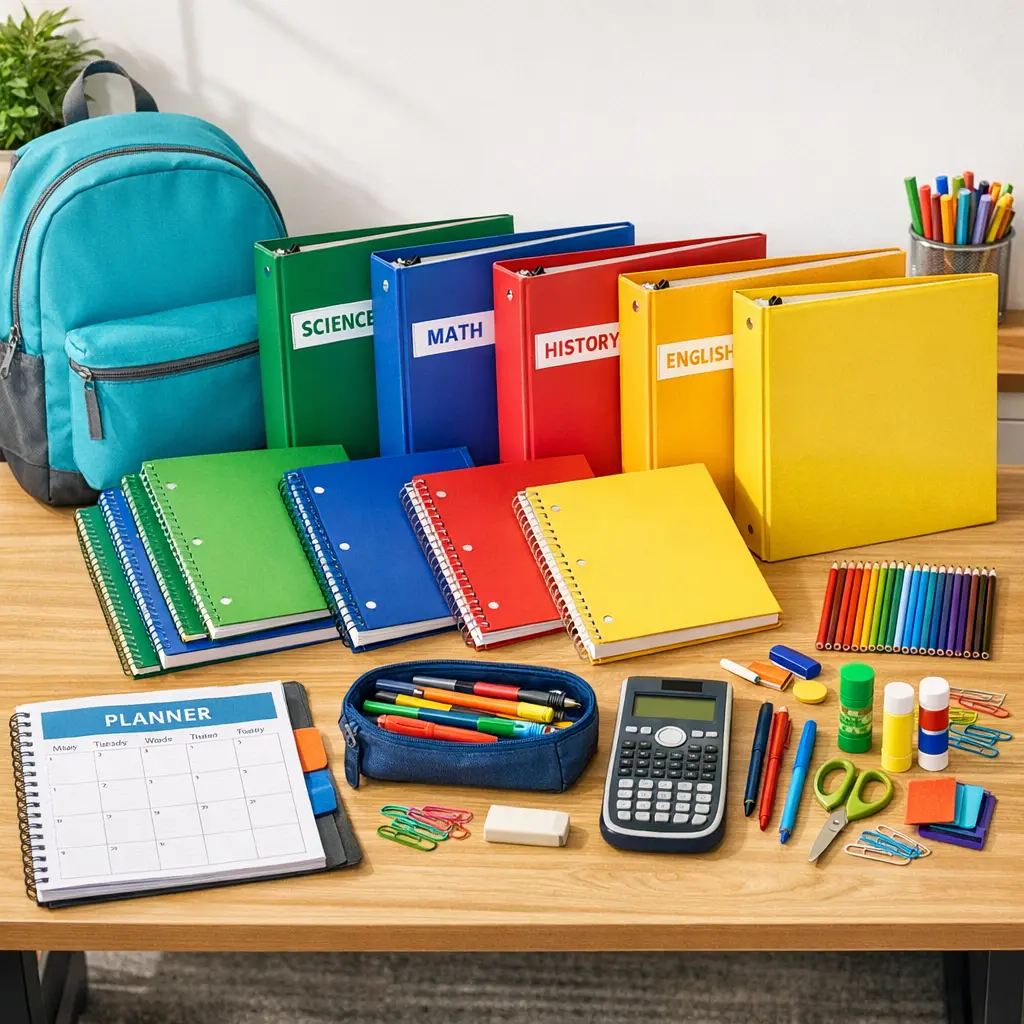
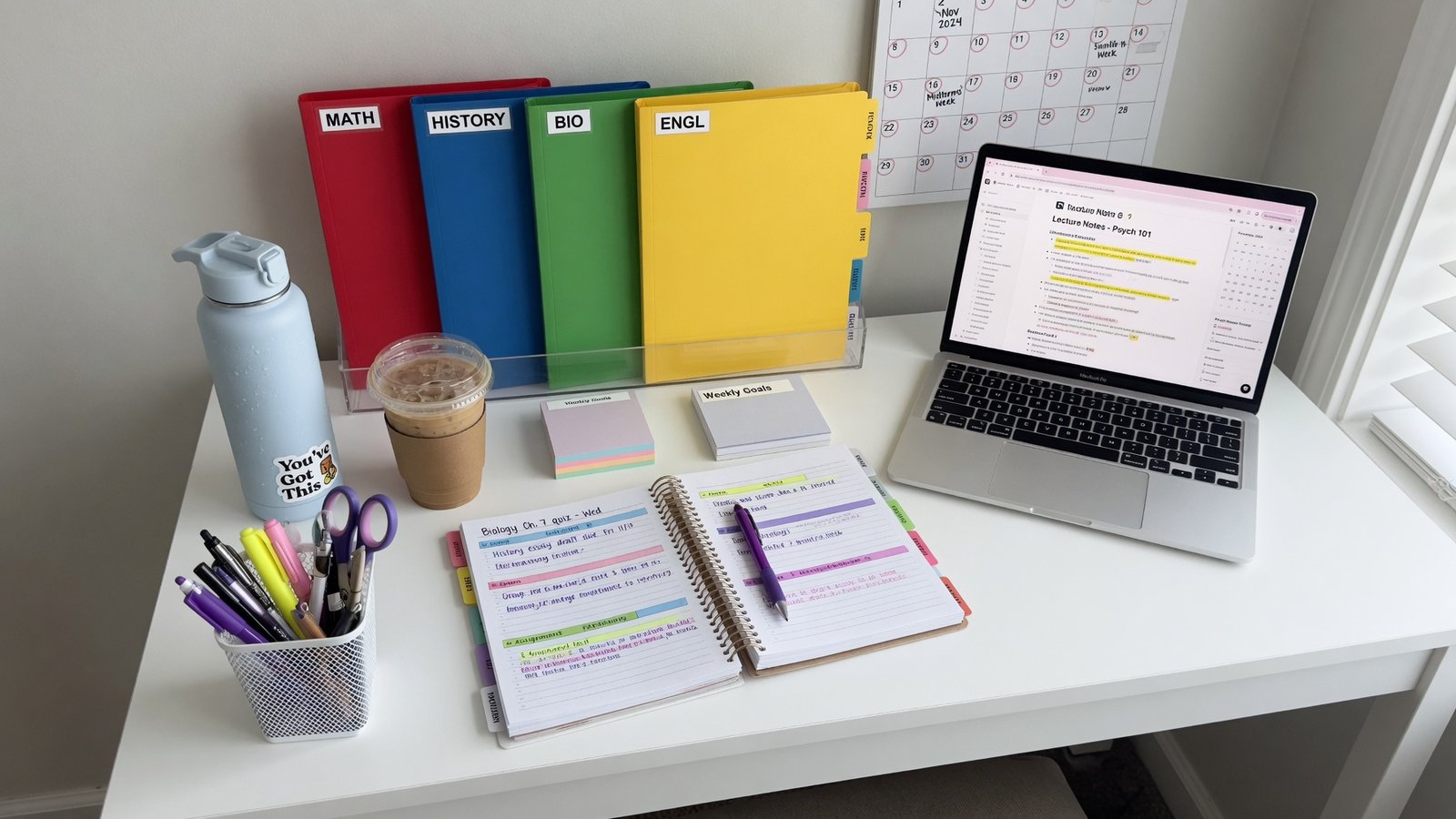
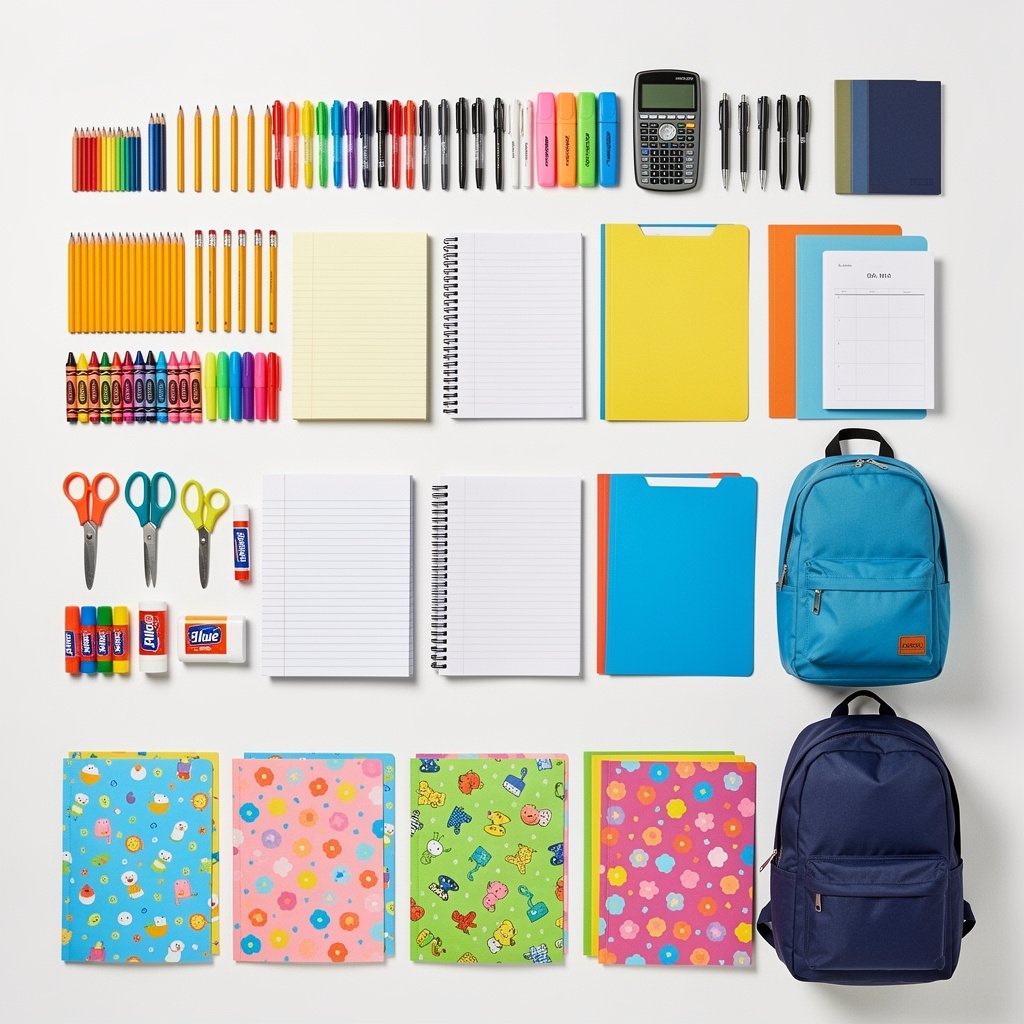
- Notebooks (3-5 for different classes)
- Pens and pencils (buy in bulk)
- Highlighters (multiple colors)
- Sticky notes
- Stapler with extra staples
- Paper clips
- Binder clips
- Three-ring binders or folders
- Index cards (for studying)
- Calculator (if required for courses)
- Planner or calendar (digital or physical)
Benefits: Physical planning tools help many students retain information better than digital-only methods.
Action step: Wait to buy class-specific supplies until after the first week when you know course requirements.
Desk Setup
Recommended items:
- Desk lamp with adjustable brightness
- Desk pad or blotter (protects surface)
- Pencil holder or desk organizer
- Small trash can
- Whiteboard or cork board with markers/pins
- Motivational items or photos
Professional tip: Good lighting reduces eye strain during late-night study sessions. Choose a lamp with at least 450 lumens.
Backpack and Bags
Daily essentials:
- Sturdy backpack (with laptop compartment)
- Reusable tote bag (for groceries or laundry)
- Gym bag (if you plan to exercise)
What to look for in a backpack:
- Padded straps for comfort
- Water-resistant material
- Multiple compartments
- Fits your laptop securely
Cleaning and Laundry Necessities
You’re responsible for maintaining your space. These college dorm essentials keep your room clean and clothes fresh.
Laundry Supplies
Must-haves:
- Laundry detergent (pods are convenient for shared facilities)
- Fabric softener or dryer sheets
- Laundry basket or bag
- Mesh laundry bags (for delicates)
- Stain remover stick or spray
- Quarters or laundry card (check your school’s payment system)
- Drying rack (for items that can’t go in dryer)
Common mistake: Forgetting to bring laundry supplies on move-in day, then scrambling to find a store.
Professional tip: Set a recurring reminder to do laundry weekly. Clean clothes availability reduces stress during busy weeks.
Room Cleaning
Basic cleaning supplies:
- Disinfecting wipes (for desk and surfaces)
- Multi-purpose cleaner
- Paper towels
- Microfiber cloths
- Small handheld vacuum or broom/dustpan
- Trash bags (buy more than you think you need)
- Air freshener or odor eliminator
- Sponges (for washing dishes)
- Dish soap
Benefits: Regular cleaning prevents illness spread, reduces allergens, and creates a more pleasant living environment.
Action step: Create a simple cleaning schedule with your roommate—trash removal, surface wiping, and floor cleaning responsibilities.
Maintenance Items
Useful to have:
- Command strips (extra sets)
- Duct tape
- Scissors
- Basic tool kit (small hammer, screwdriver, Allen wrenches)
- Batteries (AA, AAA)
- Phone/laptop repair kit (if you’re handy)
Professional tip: Campus maintenance handles major repairs, but having basic tools fixes minor issues faster than waiting for work orders.
Clothing and Closet Basics
Pack enough clothing for two weeks between laundry cycles, but don’t overpack. Dorm closets offer limited space.
Essential Clothing
General recommendations:
- Underwear and socks (2 weeks’ worth)
- Everyday outfits (7-10 casual outfits)
- Jeans or pants (4-5 pairs)
- Shorts (2-3 if weather appropriate)
- Shirts and tops (10-12)
- Sweatshirts or sweaters (3-4)
- Jacket or coat (weather dependent)
- Sleepwear (3-4 sets)
- Athletic wear (if you exercise)
- One dressy outfit (for presentations, events)
- Swimsuit (if campus has a pool)
Weather considerations:
- Winter coat, gloves, hat, scarf (cold climates)
- Rain jacket and umbrella (wet climates)
- Light layers (temperature-controlled buildings)
Common mistake: Bringing your entire wardrobe. Most students wear 20% of their clothes 80% of the time.
Professional tip: Leave seasonal clothing at home and swap during breaks. This frees up closet space.
Footwear
Recommended shoes:
- Everyday sneakers or walking shoes (2 pairs)
- Flip-flops (for showers)
- Dress shoes (1 pair for formal events)
- Boots or weather-appropriate shoes
- Athletic shoes (if you exercise)
- Slippers (for dorm comfort)
Action step: Limit shoes to 5-7 pairs. Shoe storage consumes valuable floor or closet space.
Decor and Comfort Items (Nice-to-Have)
After covering necessities, these college dorm essentials add personality and comfort.
Wall and Room Decor
Ideas for personalizing your space:
- Posters or tapestries (use command strips)
- String lights or LED strips (check fire code compliance)
- Photos of friends and family
- Removable wall decals
- Dry erase calendar
- Plants (low-maintenance options like succulents)
- Area rug (adds warmth and defines space)
Benefits: Personal decor makes your room feel like home and can reduce homesickness.
Limitations: Don’t decorate until you see the room and meet your roommate. Coordinate style preferences.
Professional tip: Wait until after the first week to buy most decor. You’ll understand the space better and know what actually fits.
Comfort Items
Things that enhance daily life:
- Fan (for temperature control and white noise)
- Humidifier or dehumidifier (climate dependent)
- Reading pillow or bean bag chair
- Throw blanket
- Sleep mask and earplugs (for noisy dorms)
- White noise machine or app
- Aromatherapy diffuser (electric, not candles)
- Mirror (full-length or desk mirror)
Common mistake: Buying bulky furniture like futons or lounge chairs. Most dorm rooms lack space for extra seating.
Items to Coordinate with Your Roommate
Avoid duplicating large items. Discuss these college dorm essentials with your roommate before purchasing:
Shared items to coordinate:
- Mini refrigerator
- Microwave
- TV and streaming devices
- Area rug
- Coffee maker or electric kettle
- Fan or air purifier
- Vacuum or cleaning supplies
- Printer (if desired)
- Gaming consoles
- Decorative items (to ensure styles match)
How to coordinate:
- Create a shared Google Sheet or document
- Assign who brings each shared item
- Discuss splitting costs for jointly owned items
- Agree on brands/models if preferences matter
- Plan what happens to shared items at year-end
Professional tip: For expensive shared items like TVs, discuss ownership clearly upfront to avoid conflicts when the year ends.
What NOT to Bring to Your Dorm
These items either violate policies, waste space, or prove unnecessary:
Prohibited items (typically):
- Candles, incense, or oil warmers
- Halogen lamps
- Space heaters
- Extension cords without surge protection
- Hot plates or cooking appliances with exposed elements
- Weapons of any kind
- Pets (except approved emotional support or service animals)
- Alcohol containers or paraphernalia (if underage)
Unnecessary items that waste space:
- Iron and ironing board (steamers work better in small spaces; many students skip ironing entirely)
- Excessive books (use library or digital versions)
- Bulky exercise equipment (use campus gym)
- Multiple sets of sheets beyond two
- Large furniture pieces
- Your entire wardrobe
- Printers (if campus offers free printing)
- Desktop computers (unless required for your major)
Professional tip: Pack with the assumption you’ll bring more home during fall break. Students typically overpack initially.
Budget-Friendly Shopping Strategies
College dorm essentials don’t have to break the bank. Use these strategies to save money:
Shopping Timeline
6-8 weeks before move-in:
- Buy bedding during summer sales
- Compare prices online
- Purchase durable basics
2-4 weeks before move-in:
- Shop back-to-school sales
- Buy toiletries and cleaning supplies in bulk
- Look for student discounts
Move-in week:
- Purchase items you forgot after seeing the room
- Shop local stores near campus (often offer student discounts)
- Buy shared items with roommate to split costs
Money-Saving Tips
Effective strategies:
- Use student discount programs (Amazon Prime Student, UNiDAYS, Student Beans)
- Shop secondhand (thrift stores, Facebook Marketplace, Craigslist)
- Borrow from older students who no longer need items
- Wait for Labor Day sales (often overlap with move-in)
- Buy store brands instead of name brands for basics
- Split costs with roommate for shared items
- Use coupons and cashback apps
- Check if your school’s bookstore price-matches
- Repurpose items you already own
Common mistake: Buying everything at once at full price. Patience and strategic shopping save hundreds of dollars.
Professional tip: Create a spreadsheet comparing prices across stores (Target, Walmart, Amazon, Bed Bath & Beyond). Some items cost significantly less at specific retailers.
What to Splurge On vs. Save On
Worth spending more:
- Mattress pad or topper (affects sleep quality)
- Laptop (academic necessity)
- Quality backpack (daily use for years)
- Surge protector (protects expensive electronics)
Safe to buy budget versions:
- Hangers
- Storage bins
- Desk organizers
- Dishware
- Cleaning supplies
- Basic school supplies
Packing and Moving Day Tips
How you pack affects moving day stress levels.
Packing Strategy
Best practices:
- Label all boxes clearly (room location + contents)
- Pack a “first day” bag with essentials (toiletries, one outfit, phone charger, medications, snacks)
- Keep bedding accessible for immediate bed-making
- Use suitcases for clothing (easier than boxes)
- Pack heavy items in small boxes, light items in large boxes
- Take photos of electronics setup before unpacking cords
- Bring tools for minor assembly (most beds require adjustment)
What to pack in your car vs. ship:
- Bring in car: Valuables, laptop, first-day essentials, important documents
- Ship ahead: Bedding, towels, most clothing, decor, heavy items
Professional tip: Many colleges allow early shipment to campus mailrooms. Confirm shipping dates and address format with your housing office.
Move-In Day Action Plan
Arrival priorities:
- Check in at housing desk
- Get room keys and parking pass
- Unload car (recruit help if available)
- Meet roommate and discuss room layout
- Make bed first (you’ll want sleep after a long day)
- Set up desk and laptop
- Unpack bathroom items
- Organize clothing
- Assess what’s still needed and make shopping list
Common mistake: Trying to organize everything perfectly on day one. Focus on essentials first, then refine over the first week.
Professional tip: Bring a dolly or hand truck if possible. Multiple trips carrying heavy items exhaust you quickly.
First Week Adjustments
Your first week reveals what you actually need versus what you thought you’d need.
Common discoveries:
- You need fewer clothes than you brought
- You forgot specific toiletries or supplies
- Your storage solution doesn’t work as planned
- You need different lighting
- Your roommate has items you don’t need to duplicate
Action steps for week one:
- Make a list of forgotten essentials
- Do a small shopping trip to nearby stores
- Return items you definitely won’t use
- Reorganize based on daily routines
- Adjust furniture layout if current setup doesn’t work
- Discuss any roommate conflicts about shared items
Professional tip: Don’t stress about missing items. Every college town has stores that sell dorm essentials year-round.
FAQs
What size sheets do I need for a college dorm bed?
You need Twin XL sheets for most college dorm beds. Twin XL mattresses measure 38 inches wide by 80 inches long, which is 5 inches longer than standard twin beds. Regular twin sheets won’t fit properly and will pull off the corners. Always confirm your specific dorm’s mattress size with your housing office, but Twin XL is the standard across most U.S. colleges and universities. Buy at least two sets so you have a clean set available while washing the other.
Should I bring a printer to college?
Most students don’t need personal printers. College campuses typically offer free or low-cost printing in libraries, computer labs, and academic buildings. Printers take up valuable dorm space, require ink replacement (expensive), and malfunction when you need them most. If your major requires frequent printing (architecture, graphic design), confirm requirements with your department first. Otherwise, rely on campus printing services, which often provide higher quality printing than personal models. Save the money and space for more essential items.
Can I bring a microwave and mini fridge to my dorm?
Policies vary by school, but most allow mini refrigerators (usually 4 cubic feet or smaller) and microwaves with wattage restrictions. Some schools require microwaves and fridges to be rented as a combined unit through approved vendors. Others prohibit students from bringing their own. Check your specific housing contract and prohibited items list before purchasing. If allowed, coordinate with your roommate to avoid bringing duplicates. One mini fridge and one microwave per room is typically sufficient and saves both money and space.
What items should I coordinate with my roommate?
Coordinate these larger items with your roommate to avoid duplication: mini refrigerator, microwave, TV, gaming consoles, area rug, vacuum or cleaning supplies, coffee maker, printer (if desired), and decorative items that affect the whole room. Contact your roommate as soon as you receive their information—usually a few weeks to months before move-in. Create a shared document to track who brings what. Discuss splitting costs for jointly owned items and agree on what happens to those items at the end of the year.
How much should I budget for college dorm essentials?
Budget $500-$1,500 for college dorm essentials depending on what you already own and your quality preferences. Basic necessities (bedding, toiletries, school supplies, storage) typically cost $300-$600. Adding electronics, a mini fridge, and comfort items brings totals to $800-$1,200. High-end bedding, new laptops, or extensive decor can push costs above $1,500. Save money by shopping sales, using student discounts, buying secondhand, and borrowing items from family. Prioritize must-haves first and add nice-to-haves gradually after assessing actual needs.
What can’t I bring to a college dorm?
Most colleges prohibit candles, incense, hot plates, toaster ovens, space heaters, halogen lamps, weapons, pets (except approved service/support animals), and extension cords without surge protection. Many ban air fryers, instant pots, or any appliance with exposed heating elements. Alcohol-related items are prohibited for underage students. Your specific school may have additional restrictions on items like Christmas lights, tapestries, or certain furniture. Always review your housing contract’s prohibited items list carefully. Violations can result in confiscation, fines, or housing probation.
When should I start shopping for dorm essentials?
Start shopping 6-8 weeks before move-in to take advantage of summer sales on bedding and basics. Purchase big-ticket items like laptops during this time if needed. Focus on back-to-school sales 2-4 weeks before move-in for the best deals on storage, school supplies, and toiletries. Wait until after you see your room and meet your roommate to buy decor, some storage items, and furniture. Keep receipts for returns. Many students make a second small shopping trip during the first week after identifying forgotten items or unnecessary purchases.
How can I maximize storage in a small dorm room?
Maximize dorm storage by thinking vertically and using multi-purpose items. Install over-the-door organizers for shoes, toiletries, and accessories. Use bed risers to create under-bed storage space for bins containing out-of-season clothing, extra bedding, and shoes. Add hanging closet organizers to create additional shelving. Use command hooks on walls for bags, hats, and towels. Choose storage ottomans that provide seating and hidden storage. Stack plastic bins in your closet. Keep frequently used items accessible and store seasonal items under the bed or on high closet shelves.
Do I need a mattress topper for my dorm bed?
Most students find dorm mattress toppers worthwhile. College mattresses are typically basic, firm, and have been used by many students. A 2-3 inch memory foam or down alternative mattress topper significantly improves comfort and sleep quality. Since sleep affects academic performance, health, and mood, investing $50-$100 in a quality topper pays dividends. Choose one that fits Twin XL dimensions and is machine washable or comes with a removable, washable cover. Pair it with a waterproof mattress protector underneath to extend the life of both the topper and the mattress.
What’s the best way to coordinate move-in day with my roommate?
Contact your roommate soon after receiving their information to introduce yourself and discuss basics: shared items, room preferences, and move-in timing. If possible, stagger your move-in times by a few hours so you’re not both trying to unpack in a small space simultaneously. Discuss room layout preferences beforehand—some roommates decide through video chat, others wait to decide together in person. Be flexible and ready to compromise. Bring a positive attitude and patience. First impressions matter, and move-in day sets the tone for your roommate relationship. Focus on creating a welcoming environment for both of you.
COMPARISON TABLES
Bedding Options Comparison
| Item | Price Range | Pros | Cons | Best For |
|---|---|---|---|---|
| Cotton Sheets | $25-$60 | Breathable, durable, classic feel | Wrinkle easily, may shrink | Year-round comfort |
| Microfiber Sheets | $15-$40 | Affordable, wrinkle-resistant, soft | Less breathable, can pill | Budget-conscious students |
| Jersey Knit Sheets | $30-$50 | Extra soft, stretchy, cozy | Pills faster, less durable | Cold climates, comfort seekers |
| Bamboo Sheets | $50-$100 | Eco-friendly, moisture-wicking, soft | More expensive, delicate | Hot sleepers, sustainability focus |
Storage Solutions Comparison
| Solution | Space Saved | Cost | Installation | Best Use |
|---|---|---|---|---|
| Bed Risers | High (creates 5-8″ clearance) | $10-$25 | Easy (place under bed legs) | Under-bed storage access |
| Over-Door Organizers | Medium | $10-$30 | Very easy (hangs on door) | Shoes, toiletries, accessories |
| Hanging Closet Shelves | Medium | $15-$25 | Easy (hangs on closet rod) | Folded clothes, accessories |
| Command Hooks | Low-Medium | $5-$15 per pack | Easy (adhesive) | Bags, towels, hats, keys |
| Under-Bed Bins | High | $20-$40 for set | Easy (slide under bed) | Seasonal clothes, extra supplies |
Mini Fridge Size Guide
| Size | Capacity | Dimensions (approx.) | Best For | Price Range |
|---|---|---|---|---|
| Compact | 1.7-2.5 cu ft | 18″W x 20″D x 20″H | Light snackers, drinks only | $60-$100 |
| Standard | 3.0-4.0 cu ft | 20″W x 20″D x 33″H | Most students, moderate food storage | $100-$200 |
| Large | 4.5+ cu ft | 21″W x 22″D x 37″H | Heavy food storage, no meal plan | $200-$300 |
CHECKLISTS
Essential Items Checklist (Must-Have Before Move-In)
Bedding:
- 2 sets Twin XL fitted sheets
- 2 Twin XL flat sheets
- Twin XL comforter or duvet
- 2-3 pillows with cases
- Mattress pad/topper
- Waterproof mattress protector
Bathroom:
- 2-3 bath towels
- 2 hand towels
- Shower caddy
- Shower shoes/flip-flops
- Bathrobe (for shared bathrooms)
- Toiletries (shampoo, soap, toothpaste, etc.)
- First aid kit and medications
Storage & Organization:
- Hangers (30-50)
- Storage bins (2-4)
- Over-door hooks
- Command strips and hooks
- Laundry basket
Technology:
- Laptop/tablet
- Phone charger + extra cables
- Surge protector power strip
- Headphones/earbuds
Cleaning & Laundry:
- Laundry detergent
- Dryer sheets
- Disinfecting wipes
- Trash bags
- Paper towels
Study Supplies:
- Notebooks (3-5)
- Pens and pencils
- Desk lamp
- Backpack
- Planner/calendar
Clothing:
- 2 weeks of everyday clothing
- Weather-appropriate outerwear
- 1 dressy outfit
- Sleepwear
- Undergarments and socks
Nice-to-Have Items Checklist
- Mini refrigerator (coordinate with roommate)
- Microwave (coordinate with roommate)
- Coffee maker or electric kettle
- Fan or air purifier
- Area rug
- Decorative pillows
- Wall decor (posters, photos)
- String lights or LED strips
- Full-length mirror
- Bean bag or reading pillow
- Plants
- TV or streaming device
- Bluetooth speaker
- Gaming console
- Throw blanket
- Sleep mask and earplugs
- Desk organizer
- Bulletin board or whiteboard
- Extension cord
- Tool kit
- Printer (if needed for major)
Move-In Day Checklist
Before You Leave Home:
- Confirm move-in date and time
- Print housing assignment and contact info
- Pack “first day” essentials bag separately
- Take photos of valuable electronics
- Bring driver’s license and student ID
- Bring checkbook or payment method for unexpected costs
- Load car strategically (essentials last for easy access)
Upon Arrival:
- Check in at housing desk
- Get room keys, parking pass, and building access codes
- Inspect room for existing damage (document with photos)
- Report maintenance issues immediately
- Meet roommate and introduce family
- Discuss initial room layout
- Make bed first
- Unpack essentials (toiletries, chargers, clothes for next day)
- Test all outlets and fixtures
- Locate nearest bathroom, exits, and common areas
- Get contact info for RA (Resident Assistant)
- Review building rules and quiet hours
Before Family Leaves:
- Make a quick shopping list for forgotten items
- Take family photo in your new room
- Plan first communication time
- Get spare room key to parent (if allowed)
Two Weeks Before Move-In Checklist
- Confirm housing assignment and move-in appointment
- Contact roommate to coordinate shared items
- Review prohibited items list one final time
- Purchase any remaining essentials
- Wash all bedding and towels
- Organize items by category for efficient packing
- Create inventory list of valuable items
- Take photos of expensive electronics for insurance
- Set up student bank account if needed
- Activate student email and housing portal access
- Review campus map and locate your building
- Check weather forecast for move-in week
- Make appointment for any needed medical/dental visits
- Fill prescriptions for at least one month
- Download campus apps (safety, dining, schedules)
DECISION FRAMEWORKS
Should I Buy or Wait? Decision Matrix
Use this framework to decide whether to purchase an item before or after move-in:
Buy Before Move-In If:
- Required for first night (bedding, toiletries, towels)
- Better prices available now (summer sales)
- Not available near campus
- Bulky and easier to transport during move-in
- You already own it and just need to pack it
Wait to Buy After Seeing Room If:
- Item depends on room dimensions (certain storage solutions)
- Decor that requires seeing the space and meeting roommate
- Uncertain if you’ll actually need it
- Roommate might bring duplicate
- Available at stores near campus
- Takes up significant luggage/car space
Roommate Coordination Decision Tree
For Each Potential Shared Item:
- Is it expensive ($100+)?
- Yes → Discuss cost-splitting and ownership before purchasing
- No → Individual purchase OK if wanted
- Does it take significant space?
- Yes → Coordinate to avoid duplicates (TV, microwave, fridge)
- No → Safe to bring without coordination
- Will both roommates use it regularly?
- Yes → Ideal for sharing, discuss purchasing together
- No → Individual brings their own
- Does it affect room aesthetics?
- Yes → Discuss preferences together (rug, decor, lighting)
- No → Individual decision
Outcome Categories:
- Must coordinate: Mini fridge, microwave, TV, area rug, vacuum
- Should discuss: Coffee maker, gaming console, printer, major decor
- Individual choice: Personal bedding, toiletries, school supplies, clothing, desk items
Storage Priority Framework
When space is limited, prioritize storage for:
Tier 1 (Daily Access Needed):
- Current season clothing
- Toiletries in use
- School supplies
- Technology and chargers
- Shoes worn regularly
Tier 2 (Weekly Access):
- Full wardrobe
- Cleaning supplies
- Laundry supplies
- Backup toiletries
- Snacks and food
Tier 3 (Monthly or Seasonal Access):
- Out-of-season clothing
- Extra bedding
- Seldom-used items
- Sentimental items
- Holiday decorations
Storage Location Assignments:
- Desktop/immediate reach: Phone, current homework, daily planner
- Desk drawers: School supplies, charging cables, frequently used items
- Closet front/accessible shelves: Current season clothes, daily shoes
- Under bed: Out-of-season clothes, extra bedding, bulk supplies
- Top closet shelf/behind items: Seasonal items, rarely used belongings
- Over-door organizers: Shoes, accessories, toiletries
Tags:
college dorm essentials, dorm room checklist, college packing list, dorm essentials for freshmen, what to bring to college, dorm room necessities, college dorm room essentials, freshman dorm checklist, dorm must-haves, college apartment essentials, university dorm list, twin XL bedding, dorm storage solutions, college move-in, residence hall living, roommate coordination, dorm organization, college supplies, student housing, command strips, over-the-door organizers, what do I need for my college dorm room, complete college dorm shopping list, dorm essentials on a budget, what not to bring to college, dorm room checklist printable, what should I bring to my dorm room, do I need a mini fridge for college, what bedding do I need for college, how do I organize a small dorm room, what can’t you bring to a dorm, best dorm essentials, college dorm shopping list, dorm room supplies, affordable dorm essentials






Leave a Reply