
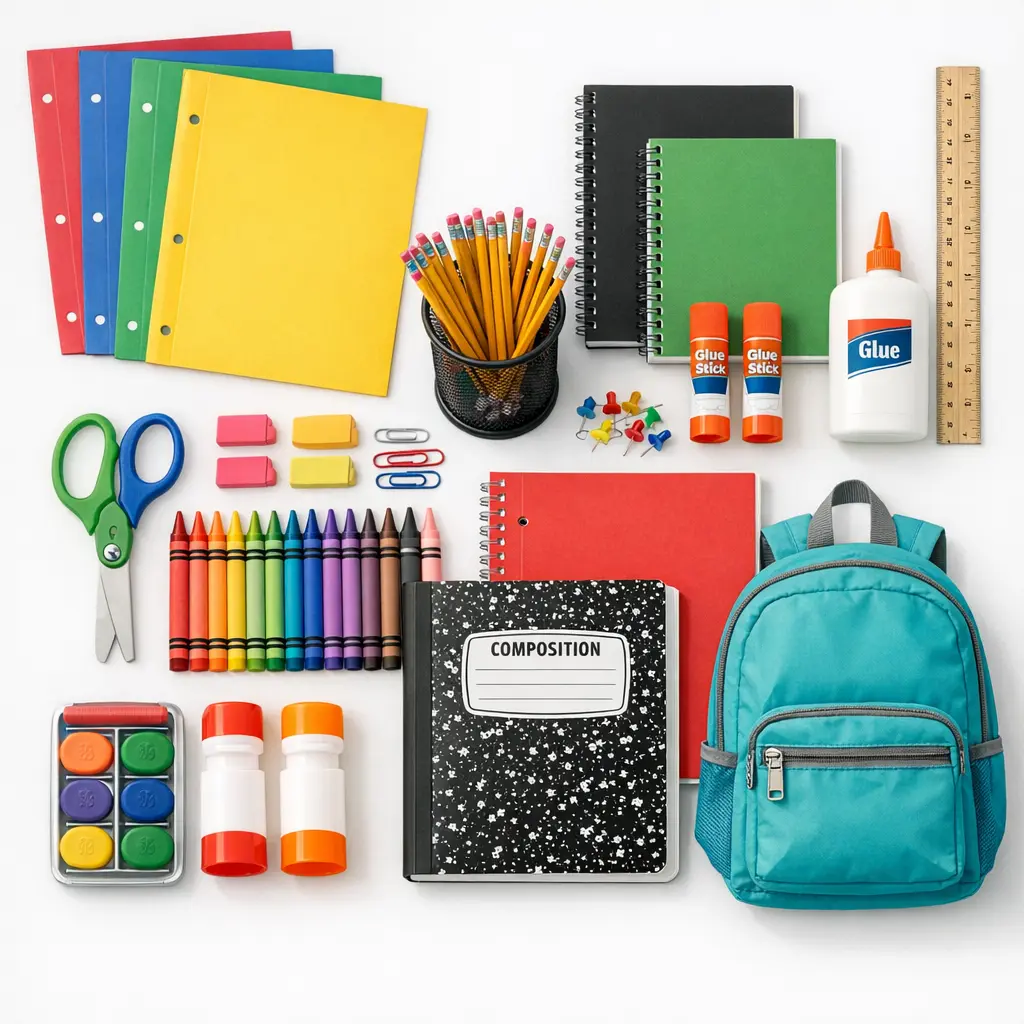
Preparing your child for a successful school year starts with having the right supplies. Every elementary grade from kindergarten through fifth grade has specific needs based on developmental stages, curriculum requirements, and teacher expectations. This comprehensive guide breaks down exactly what your student needs, with printable checklists for efficient shopping.
Whether you’re preparing one child or managing supplies for multiple students across different grades, these detailed lists eliminate guesswork and help you stay within budget. Teachers across the country recommend these essentials, organized by grade level to match your child’s learning journey.

Understanding Elementary School Supply Needs
Elementary school supply requirements change significantly as children progress through grades K-5. A kindergartener just learning to hold a crayon has vastly different needs than a fifth grader organizing multiple subject notebooks and preparing for middle school.
Developmental factors influence supply choices:
Younger students (K-2) need larger, easier-to-grip items like jumbo crayons and thick pencils. Their supplies focus on basic motor skill development and creative exploration. Fine motor control improves throughout these years, so durability matters more than precision.
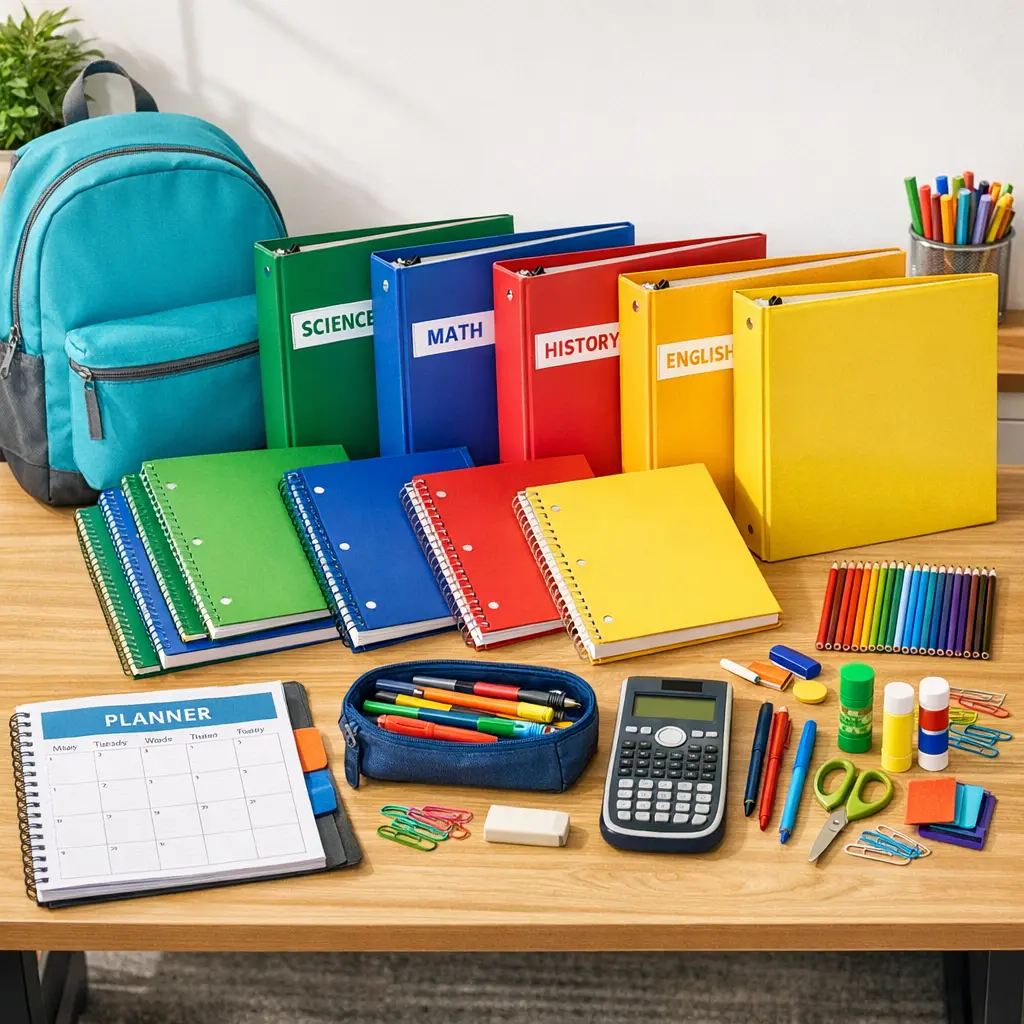
Older elementary students (3-5) transition to more sophisticated organizational systems. They manage multiple subjects simultaneously, requiring binders, dividers, and planners. Writing tools become more varied, including mechanical pencils and multi-color pens for different subjects.
Teacher requirements vs. personal supplies:
Most elementary teachers send home specific supply lists before school starts. These lists typically include two categories: personal supplies your child uses individually and classroom supplies shared among all students.
Personal items include backpacks, lunchboxes, pencil boxes, and specific notebooks. Classroom supplies often include tissues, hand sanitizer, disinfecting wipes, and extra pencils for the community supply.
Budget considerations:
The average parent spends $60-$80 for kindergarten through second grade supplies and $100-$120 for third through fifth grade. This variance reflects increased organizational needs and more subjects requiring dedicated materials in upper elementary grades.
Common mistakes to avoid:
Buying adult-sized backpacks for kindergarteners causes discomfort and poor posture. Purchasing the cheapest scissors results in frustration when they don’t cut properly. Skipping labels leads to lost items and unnecessary replacement costs. Understanding these pitfalls saves money and hassle throughout the year.
Universal Supplies for All Elementary Grades (K-5)
Certain supplies remain essential across all elementary grades. These core items form the foundation of every student’s supply kit, though quantities and specific types may vary by grade level.
Writing instruments:
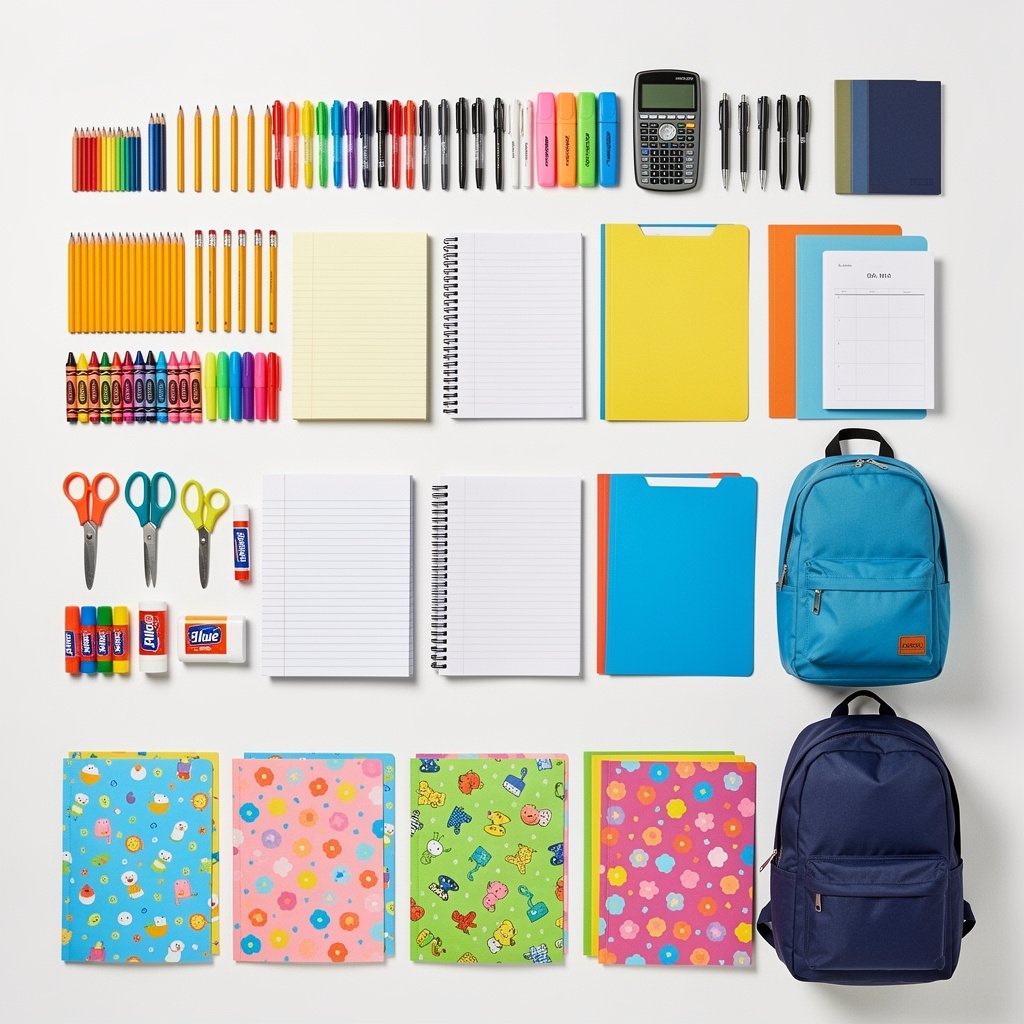
- Pencils: Every grade requires pencils, though types evolve from thick primary pencils to standard #2 pencils and eventually mechanical options
- Erasers: Pink cap erasers or large block erasers for fixing mistakes
- Pencil sharpener: Handheld with cover to contain shavings
Paper products:
- Notebooks: Wide-ruled for K-2, standard-ruled for 3-5
- Loose-leaf paper: Reinforced holes prevent tearing from binders
- Construction paper: For projects and creative assignments
Organizational tools:
- Folders with pockets: 4-6 per student for different subjects
- Pencil box or pouch: Keeps small items contained
- Backpack: Age-appropriate size with padded straps
Adhesives and cutting tools:
- Glue sticks: 4-6 throughout the year (water-soluble for easy cleanup)
- Scissors: Blunt-tip for K-1, pointed for grades 2-5
- Tape: Clear tape for projects and repairs
Coloring supplies:
- Crayons: 24-count boxes for younger grades
- Colored pencils: 12-24 count for older elementary students
- Markers: Washable, broad-tip for K-2; fine-tip options for 3-5
Hygiene and health:
- Tissues: 2-3 boxes per year for classroom use
- Hand sanitizer: Personal bottle for desk
- Disinfecting wipes: For classroom sharing
Lunch and personal care:
- Lunchbox or insulated bag
- Reusable water bottle
- Backpack with name label
These universal items provide the backbone of school readiness. Specific quantities and varieties adjust based on grade-level requirements detailed in the following sections.
Kindergarten Supply List (Age 5-6)
Kindergarten represents a major transition into formal schooling. Supply needs focus on exploration, creativity, and developing foundational skills like holding writing instruments and using scissors safely.
Essential writing tools:
- 12-24 thick primary pencils or triangular-grip pencils
- 2-3 large erasers
- 1 box of 24-count crayons (large size preferred)
- 8-12 washable broad-tip markers
- 1 set of 12 washable watercolor paints with brush
Paper and notebooks:
- 2-3 primary composition notebooks (wide-ruled with picture space)
- 1 ream of construction paper (assorted colors)
- 1 drawing pad
Organization:
- 4 pocket folders (without prongs, different colors for easy identification)
- 1 large pencil box (hard plastic holds up better than zipper pouches)
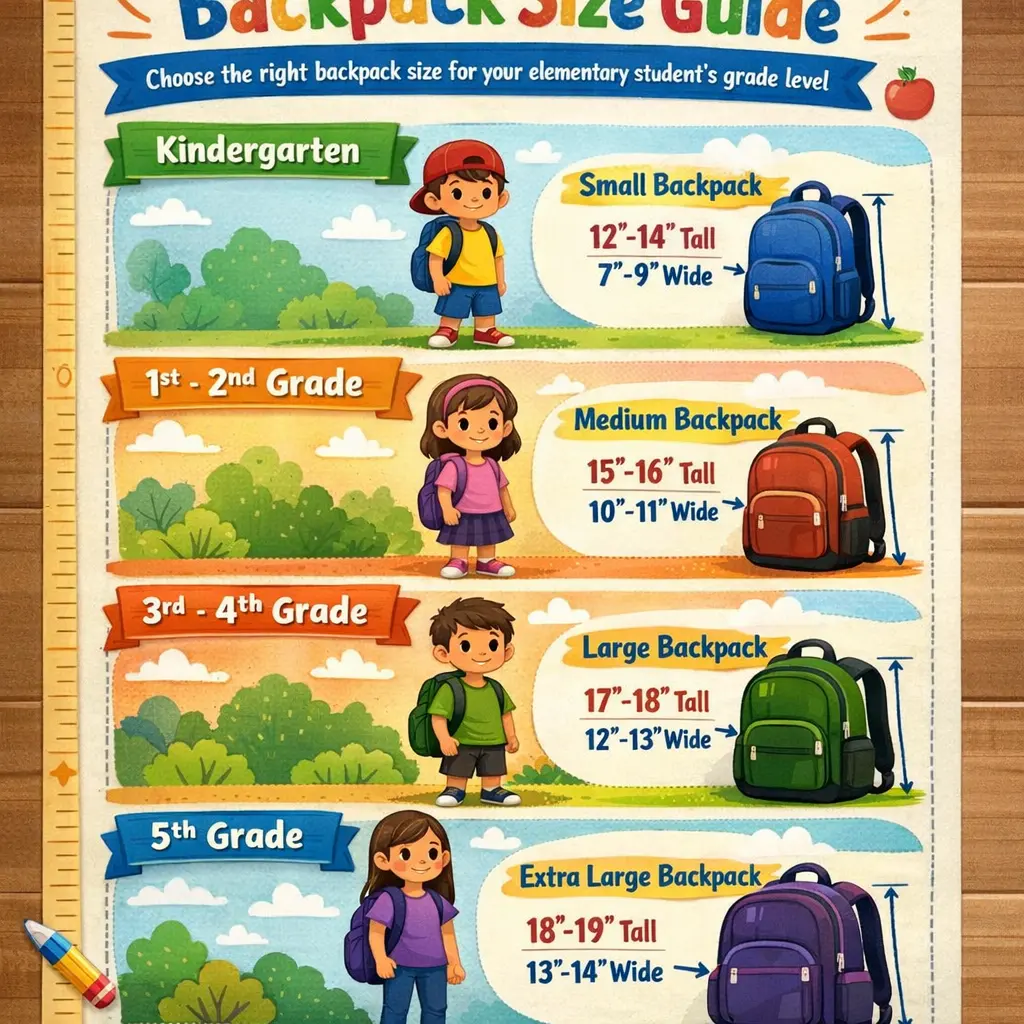
- 1 child-sized backpack (12-15 inches, fits kindergartener’s torso)
Cutting and adhesives:
- 1 pair blunt-tip safety scissors (left-handed if applicable)
- 6-8 glue sticks
- 1 bottle white school glue (4 oz)
Classroom supplies:
- 2 boxes tissues
- 1 container disinfecting wipes
- 1 bottle hand sanitizer
- 1 package baby wipes (for cleanup)
Personal items:
- Rest mat or towel (for nap time if required)
- Extra clothes in labeled bag (accidents happen)
- Indoor shoes or slippers (some classrooms require)
Optional but helpful:
- Smock or old t-shirt for art projects
- Headphones for computer time
- Family photo for cubby or desk
Kindergarten-specific considerations:
Choose supplies with larger grips and simplified designs. Kindergarteners are still developing fine motor skills, so frustration-proof tools encourage independence rather than discouragement.
Backpack size matters tremendously. A bag that drags on the ground or causes a child to lean backward creates physical strain. Measure from your child’s shoulders to waist for proper sizing.
Labeling every item prevents loss and teaches name recognition. Use permanent marker on pencils, erasers, and glue sticks. Iron-on or stick-on labels work well for folders, notebooks, and clothing items.
Cost estimate: $60-$75 for basic kindergarten supplies
First Grade Supply List (Age 6-7)
First grade builds upon kindergarten foundations with increased emphasis on reading, writing, and basic math. Supply needs reflect more structured learning while maintaining creative exploration.
Writing instruments:
- 24 #2 pencils (standard size as fine motor skills develop)
- 1 box pencil top erasers
- 2-3 large block erasers
- 1 pencil sharpener with lid
- 12-24 colored pencils
- 8-12 washable markers (broad-tip)
Notebooks and paper:
- 3-4 wide-ruled composition notebooks or spiral notebooks
- 2-3 wide-ruled loose-leaf paper packs
- 1 primary handwriting tablet
- Construction paper (assorted colors)
Organization tools:
- 5-6 two-pocket folders (different colors per subject)
- 1 three-ring binder (1-inch) with dividers
- 1 pencil pouch or box
- 1 backpack (15-16 inches)
Math supplies:
- 1 ruler (12-inch, standard and metric)
- 1 set of manipulatives if requested (counting bears, blocks)
Art supplies:
- 24-count crayons
- Glue sticks (6-8)
- White school glue (4 oz bottle)
- Safety scissors (pointed tip acceptable if child demonstrates readiness)
- Watercolor paint set
Classroom contributions:
- 2-3 boxes tissues
- 1 container disinfecting wipes
- Hand sanitizer
- Ziploc bags (gallon and sandwich sizes)
Personal items:
- Lunchbox
- Reusable water bottle
- Headphones or earbuds for technology time
- Indoor shoes (if required)
First grade-specific needs:
First graders transition from primary pencils to standard #2 pencils. Some children still benefit from grip supports available at office supply stores.
Organization becomes more important as students manage homework and multiple subjects. Color-coding folders by subject (red for math, blue for reading) helps children develop organizational habits.
Durability matters for frequently used items. Reinforced folders last longer than standard paper folders. Twist-up glue sticks prevent dried-out waste common with traditional caps.
Budget planning: $70-$85 for comprehensive first grade supplies
Second Grade Supply List (Age 7-8)
Second grade marks increasing independence and academic expectations. Students take more ownership of their materials and begin developing personal organizational systems.
Writing tools:
- 24-36 #2 pencils (consumption increases with more writing)
- Pencil cap erasers (1 box)
- 2 large block erasers
- 24-count colored pencils
- 12-count washable markers
- 4-6 dry erase markers with small eraser
- 1 set highlighters (3-4 colors)
Notebooks and paper:
- 4-5 wide-ruled spiral notebooks or composition books
- 3 packs wide-ruled loose-leaf paper
- 1 pack graph paper (for math)
- Construction paper (multiple colors)
- Sticky notes (3×3 inch)
Organization:
- 6 two-pocket folders with prongs
- 1-2 three-ring binders (1-inch) with dividers
- 1 pencil pouch (zipper style holds more than boxes)
- 1 backpack (16-17 inches)
Math tools:
- 1 ruler (12-inch, plastic or wood)
- 1 protractor (if requested)
- 100-count chart (often teacher provides)
Art and craft:
- 24-count crayons
- 8-10 glue sticks
- School glue bottle (4 oz)
- Scissors (standard pointed)
- Watercolor or tempera paints
Technology accessories:
- Headphones or earbuds
- 1 USB flash drive (if requested)
Classroom supplies:
- 3 boxes tissues
- Disinfecting wipes
- Hand sanitizer
- Paper towels
- Ziploc bags (various sizes)
Personal items:
- Lunchbox
- Water bottle (leak-proof)
- Indoor shoes or gym shoes (based on school requirements)
Second grade specifics:
Reading and writing volume increases dramatically in second grade, explaining higher paper and pencil consumption. Stock up during back-to-school sales.
Students begin using planners or assignment notebooks in some schools. Check teacher requirements before purchasing to ensure correct format.
Folders with prongs allow papers to be secured, reducing lost assignments. However, three-hole-punched paper is required for these folders.
Cost range: $75-$90 for complete second grade supplies
Third Grade Supply List (Age 8-9)
Third grade represents a significant academic shift with standardized testing preparation, cursive writing, and increased homework expectations. Supply needs reflect greater organizational demands and subject specialization.
Writing instruments:
- 36-48 #2 pencils (high consumption from tests and assignments)
- Mechanical pencils (0.7mm lead) as an option
- Extra lead for mechanical pencils
- Pencil erasers and block erasers
- Blue or black pens (some teachers introduce pen use)
- 24-count colored pencils
- Highlighters (4-6 colors for studying)
- Dry erase markers (4-6 plus eraser)
Notebooks and paper:
- 5-6 college-ruled spiral notebooks (transition from wide-ruled)
- 4-5 composition books
- College-ruled loose-leaf paper (reinforced holes)
- Graph paper pack
- Index cards (3×5 inch for studying)
- Sticky notes (multiple sizes)
Organization systems:
- 1-2 three-ring binders (1.5-2 inch) with dividers
- 6-8 pocket folders
- 1 assignment planner or agenda (often school-specific)
- Pencil pouch with three-ring holes
- Backpack (17-18 inches with multiple compartments)
Math supplies:
- Ruler (12-inch with centimeters)
- Protractor
- Compass (basic geometry introduction)
- Calculator (basic four-function, check teacher preference)
Art supplies:
- Colored pencils (24-count)
- Markers (washable, fine and broad tip)
- Glue sticks (8-10)
- Scissors
- Ruler for art projects
Technology:
- Headphones (over-ear recommended for comfort)
- USB flash drive (8GB minimum)
- Computer mouse (if using personal device)
Classroom contributions:
- 3-4 boxes tissues
- Disinfecting wipes (2 containers)
- Hand sanitizer
- Paper towels
- Ziploc bags (gallon and quart sizes)
Personal necessities:
- Lunchbox or lunch bag
- Water bottle
- Gym shoes (separate from outdoor shoes)
- Gym clothes (if school requires)
Third grade transitions:
The shift from wide-ruled to college-ruled paper happens in third grade for most students. Smaller line spacing supports developing handwriting skills and prepares students for upper grades.
Many teachers introduce planners or assignment books to build homework management skills. Some schools provide specific planners; others allow student choice.
Binder organization becomes critical. Teach children to use dividers for each subject and clean out old papers weekly to prevent overwhelming clutter.
Investment range: $90-$110 for third grade supplies
Fourth Grade Supply List (Age 9-10)
Fourth grade emphasizes independence, research skills, and preparation for upper elementary academic rigor. Supply lists reflect these increased expectations with more sophisticated organizational tools.
Writing tools:
- 48 #2 pencils or combination with mechanical pencils
- Extra lead and erasers for mechanical pencils
- Blue and black pens (multiple)
- Red pens (for self-checking work)
- 24-count colored pencils
- Fine-tip markers (12-count)
- Highlighters (5-6 colors for different subjects)
- Dry erase markers (6-pack with eraser)
Notebooks and paper:
- 6-8 college-ruled spiral notebooks (subject-specific)
- 4-5 composition books
- College-ruled loose-leaf paper (500-sheet pack)
- Graph paper (for math and science)
- Index cards (3×5 and 4×6 for research and studying)
- Sticky notes (various sizes and colors for coding information)
Advanced organization:
- 2-3 three-ring binders (2-inch with interior pockets)
- Binder dividers with tabs (multiple sets)
- Sheet protectors (for important documents)
- 6-8 pocket folders
- Assignment planner (consider academic year planner)
- Pencil pouch (three-ring compatible)
- Backpack (18-19 inches with laptop sleeve if using technology)
Math and science tools:
- Ruler (12-inch, clear plastic shows work underneath)
- Protractor
- Compass
- Calculator (scientific basic level, check specifications)
- Multiplication table chart
Art and presentation:
- Colored pencils (24-count)
- Markers
- Glue sticks (10-12)
- Liquid glue
- Scissors
- Poster board (for projects)
Technology essentials:
- Quality headphones (durability matters)
- USB flash drive (16GB)
- Mouse (if applicable)
- Device charger and case (if using laptop or tablet)
Classroom supplies:
- 4 boxes tissues
- Disinfecting wipes (2 containers)
- Hand sanitizer (personal and classroom bottles)
- Paper towels
- Ziploc bags
Personal items:
- Lunchbox
- Water bottle (large capacity)
- Gym shoes and appropriate athletic clothing
- Locker organizer (if school provides lockers)
Fourth grade specifics:
Research projects become common in fourth grade. Index cards help students organize information for reports and presentations. Teaching proper note-taking on cards builds valuable study skills.
Multiple binders or one large binder with extensive dividers help manage increased paper volume across subjects. Some students prefer subject-specific binders; others succeed with consolidated systems.
Backpack weight becomes a concern as books and materials increase. Look for ergonomic designs with padded straps and back support. Consider wheeled backpacks if school allows and physical concerns exist.
Budget expectations: $100-$120 for fourth grade supplies
Fifth Grade Supply List (Age 10-11)
Fifth grade prepares students for middle school transition with advanced organizational expectations, increased homework, and often departmentalized subject instruction. Supply needs mirror junior high requirements in many schools.
Writing instruments:
- 48-60 #2 pencils and mechanical pencils
- Extra lead (0.7mm and 0.5mm)
- Multiple blue and black pens
- Red pens for corrections
- Colored pencils (24-count)
- Fine-tip markers (12-count, subject color-coding)
- Highlighters (multi-color pack)
- Dry erase markers (8-pack with quality eraser)
Notebooks and paper:
- 8-10 college-ruled spiral notebooks (subject-specific)
- 4-6 composition books
- College-ruled loose-leaf paper (1,000 sheets or multiple reams)
- Graph paper (multiple packs for math and science)
- Index cards (both sizes, significant quantity for studying)
- Sticky notes (multiple sizes and colors)
Comprehensive organization:
- 3-5 three-ring binders (2-3 inch) or one large binder per subject
- Multiple divider sets with pockets
- Sheet protectors (25-50 count)
- 8-10 pocket folders with prongs
- Academic planner (daily or weekly format)
- Pencil pouch (large capacity, three-ring holes)
- Backpack (19-20 inches, multiple compartments, laptop sleeve)
- Locker shelf or organizer (if applicable)
Math and science equipment:
- Ruler (12-inch, metric and standard)
- Protractor
- Compass (geometry ready)
- Scientific calculator (specific model often required)
- Multiplication and conversion charts
Art and presentation materials:
- Colored pencils
- Markers (fine and broad tip)
- Glue sticks (12-pack)
- Liquid glue
- Scissors
- Poster boards (multiple for projects)
- Three-panel presentation board
Technology requirements:
- Quality over-ear headphones
- USB flash drive (32GB)
- Mouse
- Device accessories (charger, protective case, screen protector)
- Laptop or tablet (if school requires personal devices)
Classroom contributions:
- 4-5 boxes tissues
- Disinfecting wipes (3 containers)
- Hand sanitizer
- Paper towels
- Copy paper (1 ream)
- Ziploc bags (all sizes)
Personal essentials:
- Lunchbox or lunch money system
- Large water bottle
- Complete gym outfit with athletic shoes
- Deodorant (personal hygiene becomes important)
- Feminine hygiene products (if applicable, for school nurse)
- Locker decorations (if allowed)
Fifth grade preparation focus:
Fifth graders often experience departmentalization where they change classes for different subjects, mimicking middle school structure. This requires robust organizational systems and personal responsibility for materials.
Planner usage becomes non-negotiable. Students must track assignments across multiple teachers and subjects. Daily planner checks should become routine at home.
Technology integration increases significantly. Many fifth graders use school-provided or personal devices regularly. Protecting these investments with quality cases and teaching digital organization skills proves essential.
Locker management skills develop this year. Teach students to organize by class schedule, keeping morning classes’ materials accessible versus afternoon supplies stored in back.
Complete supply cost: $110-$140 for fifth grade
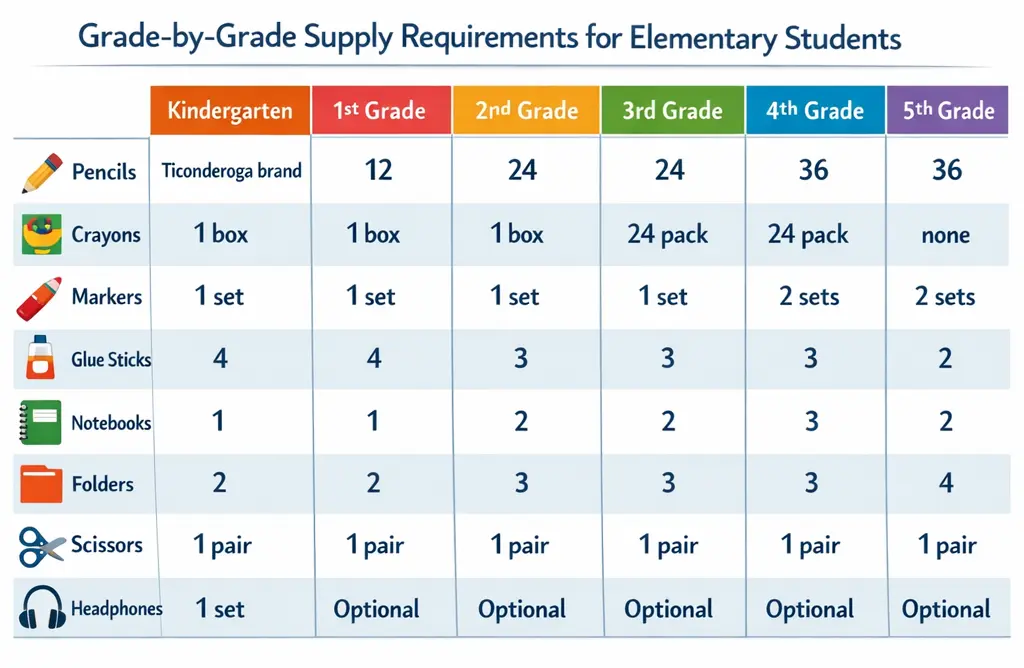
Budget-Friendly Shopping Strategies
Managing school supply costs, especially with multiple children, requires strategic planning and smart shopping tactics.
Timing purchases strategically:
Back-to-school sales peak in late July through mid-August. However, the absolute best prices often appear in late August when retailers clear inventory. If your school provides lists early and items aren’t brand-specific, waiting until the final weeks of summer yields significant savings.
Post-back-to-school sales continue into September. Stock up on next year’s supplies at 50-75% off, particularly on non-perishable items like scissors, rulers, and backpacks.
Where to shop for best values:
Dollar stores offer excellent deals on basic consumables: pencils, erasers, glue sticks, folders, and notebooks. Quality suffices for most elementary needs on these items.
Warehouse clubs provide bulk pricing on pencils, paper, and other high-consumption supplies. Splitting bulk packs with other parents maximizes savings without excessive surplus.
Office supply chains offer loss-leader deals during peak season: penny folders, quarter notebooks, and fifty-cent glue. Build shopping trips around these doorbusters.
Quality vs. economy decisions:
Invest in quality for items used daily throughout the year:
- Backpacks (good construction prevents mid-year replacement)
- Scissors (sharp blades that actually cut reduce frustration)
- Rulers and protractors (durability through multiple years)
- Binders (reinforced rings don’t break easily)
Choose economical options for consumables:
- Pencils (children lose them regardless of brand)
- Glue sticks (performance differences minimal)
- Crayons (unless child is artistic enthusiast)
- Folders (replaced frequently anyway)
Reuse and recycle:
Audit last year’s supplies before shopping. Half-used notebook, barely-touched colored pencils, and intact folders carry forward to new school year.
Binders, scissors, rulers, protractors, and pencil boxes last multiple years. Replace only when damaged beyond function.
Backpacks in good condition work for another year. Fashion preferences may change, but functional bags need not be replaced annually.
Generic vs. name brand:
Most school supply lists specify quantities and types but not brands. Generic or store-brand items perform identically to name brands for most elementary needs.
Exceptions where brand matters:
- Crayola crayons and markers (superior color and washability)
- Elmer’s glue (consistency and effectiveness proven)
- Fiskars scissors (cutting performance and durability)
For remaining items, generic alternatives work perfectly fine.
Tax-free weekends:
Many states offer sales tax holidays during back-to-school season. Timing major purchases during these weekends saves 5-10% immediately.
Combine tax-free shopping with store sales for maximum savings.
Sharing costs with other families:
Organize neighborhood or class supply swaps. Families with older children pass down unused items to younger students.
Bulk buying circles split warehouse club quantities among multiple families, giving everyone bulk pricing without excess.
Budget estimates by grade:
- Kindergarten: $60-$75
- First Grade: $70-$85
- Second Grade: $75-$90
- Third Grade: $90-$110
- Fourth Grade: $100-$120
- Fifth Grade: $110-$140
Multiple children across grades: $250-$450 for three children
How to Organize Supplies for Multiple Children
Parents managing supplies for several elementary students across different grades face organizational challenges. Strategic systems prevent chaos and wasted money.
Color-coding by child:
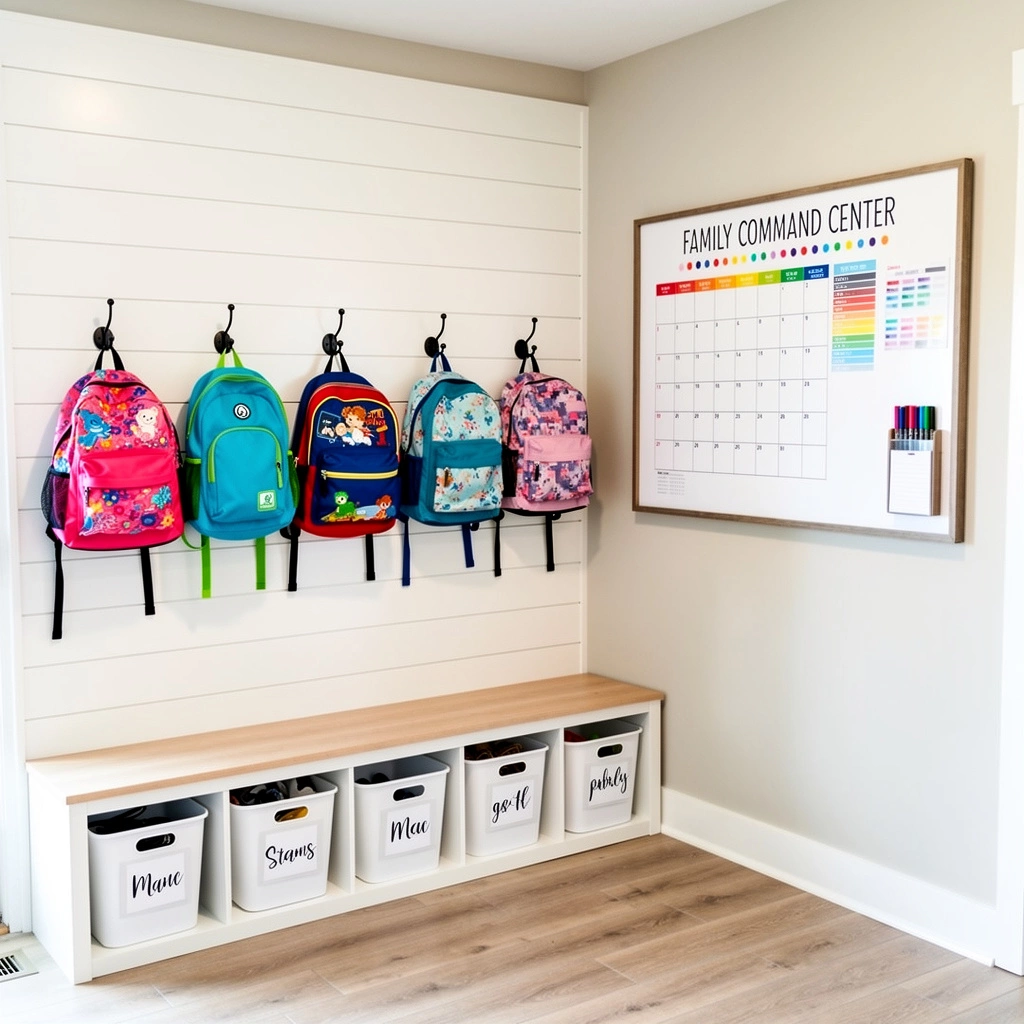
Assign each child a color. Everything belonging to that child gets marked with their color: backpack, lunchbox, folders, notebooks, even pencils.
Use colored duct tape, permanent markers, or label makers to apply colors. This system allows instant identification of whose item is whose, especially for similar items.
Central supply station:
Create a homework station at home stocked with communal supplies all children access: extra pencils, erasers, paper, scissors, glue, colored pencils, and markers.
This central location prevents evening homework panic when individual supplies run out. Replenish from your stash stored elsewhere.
Individual storage bins:
Each child gets a designated bin or basket for their school-specific supplies. The night before school, children pack backpacks from their personal bins.
This system teaches responsibility and prevents siblings from “borrowing” each other’s supplies without permission.
Shopping strategies for multiple grades:
Create a master list combining all children’s needs. Group by item type (all pencils together, all notebooks together) to catch sales efficiently.
Look for quantity breaks. Buying 72 pencils costs less per pencil than three separate 24-count boxes.
Label everything clearly:
Use full names on labels, not just first names. “Emma” doesn’t help when three Emmas exist in class. “Emma Rodriguez” prevents confusion.
Permanent marker works for disposable items. Waterproof labels work best for items that get wet or handled frequently.
Manage mid-year replacement:
Keep a backup supply closet stocked during back-to-school sales. When children announce they’re out of glue sticks, you have immediate replacements without emergency trips.
This approach saves money (buying during sales) and time (no mid-year shopping).
Track spending per child:
Use separate envelopes or budget categories to ensure fair spending across children. Older students naturally cost more due to increased needs, but tracking prevents unintentional favoritism.
Hand-me-down system:
Intact items from older children transfer to younger siblings: scissors, rulers, protractors, backpacks, binders, and pencil boxes.
Keep a “pass-down” bin where older children place usable supplies they’ve outgrown. Younger siblings shop this bin before purchasing new items.
Labeling and Organization Best Practices
Proper labeling prevents lost items and teaches organizational responsibility. Elementary students lose hundreds of dollars in supplies annually without adequate labeling.
What to label:
Everything not communal classroom property should be labeled:
- Backpack (exterior and interior tags)
- Lunchbox
- Water bottle
- Jacket and sweaters
- Gym shoes and gym bag
- Individual folders and notebooks
- Pencil box or pouch
- Scissors and rulers
- Calculator
- Headphones and technology accessories
- Binders
Labeling methods:
Permanent marker directly on items works for disposables and items you don’t mind marking: folders, notebooks, pencils, erasers.
Stick-on labels work for flat, smooth surfaces: binders, notebooks, lunchboxes, water bottles. Choose waterproof varieties for items that get wet.
Iron-on labels or fabric markers work best for clothing and fabric items: backpacks, gym bags, jackets.
Label makers create professional-looking labels that stick to most surfaces. Initial investment pays off with years of use.
Where to place labels:
Make labels visible and permanent:
- Backpack: inside main compartment and on exterior tag
- Lunchbox: inside lid and bottom exterior
- Folders: front cover top right corner
- Notebooks: front cover and spine
- Clothing: inside collar tag area
Color-coding systems:
Beyond labeling individual child’s items by color (mentioned earlier), color-code by subject for older elementary students:
- Red: Math
- Blue: Language Arts/Reading
- Green: Science
- Yellow: Social Studies
- Purple: Homework/Assignment materials
This visual system helps children grab correct materials quickly during class transitions.
Organization inside backpack:
Teach children to organize backpacks by schedule. Morning classes’ materials go in easy-access pockets. Afternoon supplies can be deeper in the bag.
Lunchbox and water bottle get dedicated pockets to prevent spills on papers and books.
Homework assignments go in a specific folder always placed in the same pocket for easy parent access.
Locker organization (grades 4-5):
Locker shelves double storage space by utilizing vertical room.
Magnetic hooks hold jackets and bags.
Magnetic pencil cups store writing instruments accessible between classes.
Small magnetic dry erase board tracks assignments or class schedule.
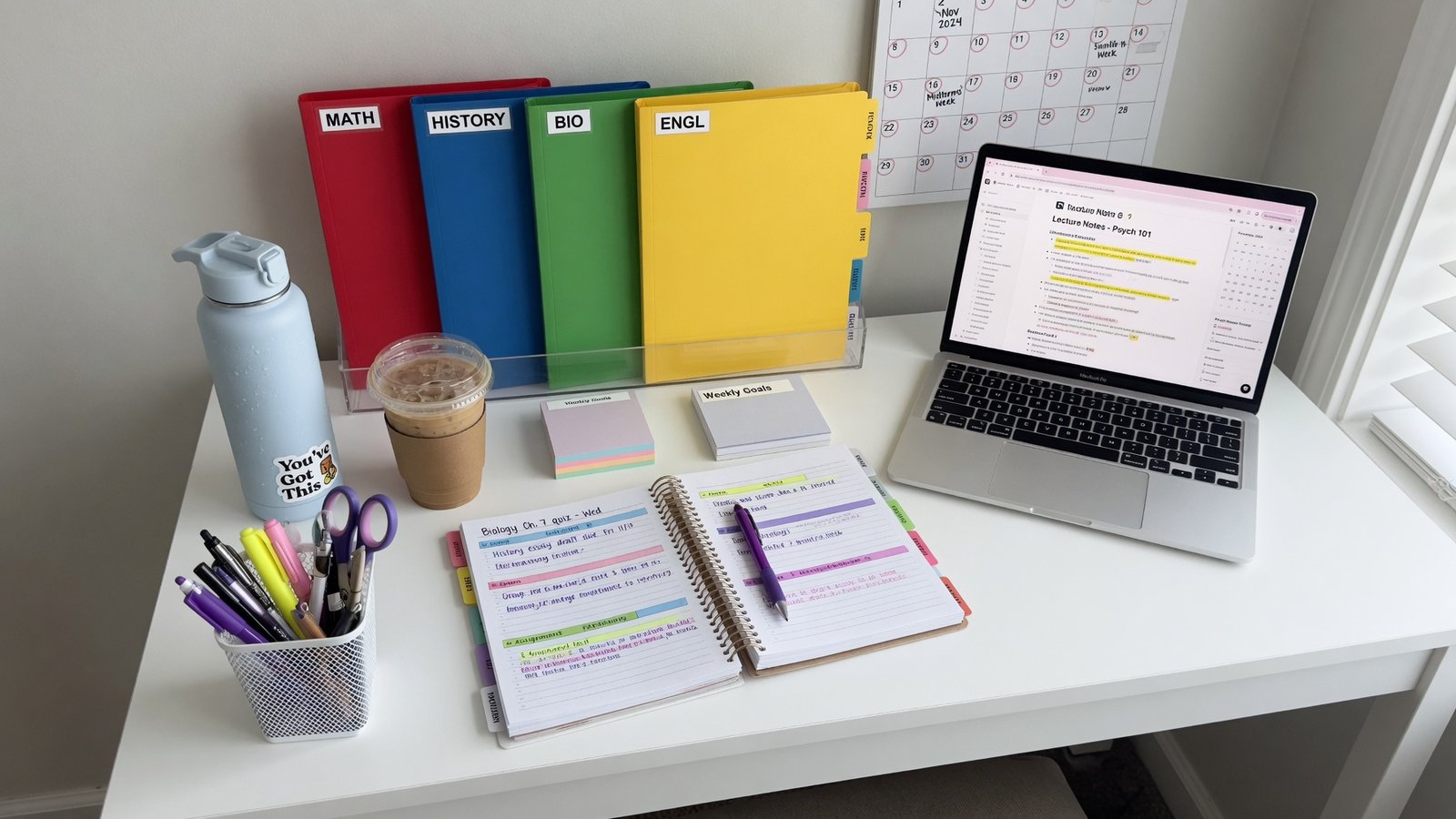
Desk organization at home:
Homework station should mirror school organization:
- Pencil cup with sharpened pencils
- Supply caddy with frequently needed items
- Assignment folder or tray
- Calendar for tracking projects and tests
- Good lighting and minimal distractions
Lost and found prevention:
Even with perfect labeling, items get lost. Teach children to check lost and found weekly.
Take photos of labeled items so children can identify their belongings among similar items.
For expensive items like winter coats or gym shoes, consider AirTags or similar tracking devices.
When to Buy: Timing Your School Supply Shopping
Strategic timing dramatically impacts both cost and item availability for school supplies.
Best time periods:
July 15-31: Sales begin but inventory remains fully stocked. Good time for families wanting first pick of popular items like character backpacks and specific brands.
August 1-15: Peak sale period with deepest discounts on most items. Excellent time for budget-focused shopping with still-good inventory.
August 16-30: Clearance pricing begins as retailers make room for fall merchandise. Best prices of the season but limited selection on popular items.
September: Post-back-to-school clearance offers 50-75% off remaining inventory. Perfect for stocking up on next year’s non-perishable supplies.
When to shop early:
Some items benefit from early purchase:
Backpacks with specific features: Popular sizes and styles sell out quickly. If your child needs specific back support or your family prefers quality brands, shop early July.
Specialty items: Left-handed scissors, specific calculator models, or adaptive equipment may have limited stock. Purchase as soon as lists are received.
Clothing sizes: Back-to-school clothing in popular sizes disappears fast. Don’t wait on gym shoes or uniform pieces.
When waiting pays off:
Generic supplies without brand preferences benefit from waiting:
- Standard folders
- Basic notebooks
- Loose-leaf paper
- Pencils and pens
- Glue sticks and erasers
These items go on extreme clearance late August into September. If your school list isn’t brand-specific, patience saves substantially.
Avoiding the rush:
Shop during off-peak hours:
- Weekday mornings (Tuesday-Thursday)
- Early evenings after dinner rush (7-8 PM)
- During school hours if you have flexibility
Avoid weekends and lunch hours when stores are packed and inventory is picked over.
Online vs. in-store timing:
Online retailers often start sales earlier but may have shipping delays as school season approaches.
Order online in early July for guaranteed delivery and good selection.
Shop in-store mid-to-late August for clearance prices and immediate availability.
Sales tax holidays:
Check your state’s sales tax holiday dates. Most occur in early August. Combine with store sales for maximum savings.
Plan major purchases during tax-free weekends: backpacks, calculators, computers if applicable.
Black Friday for school supplies:
Some retailers extend Black Friday deals to school supplies in November. Stock up on next year’s paper, pencils, and non-perishable items at rock-bottom prices.
Quality vs. Price: What Matters Most
Understanding where quality investment pays off versus where economy options suffice helps maximize budget efficiency.
Invest in quality:
Backpacks: A quality backpack lasts multiple years. Look for reinforced stitching, padded straps, quality zippers, and water-resistant material. Budget: $30-$50 for elementary quality.
Poor quality backpacks fail mid-year, requiring replacement and ultimately costing more. Broken zippers, torn straps, and ripped seams create frustration and expense.
Scissors: Sharp, properly-functioning scissors make cutting activities successful rather than frustrating. Children with dull scissors struggle with fine motor tasks and may avoid cutting activities.
Fiskars and similar quality brands stay sharp throughout multiple school years. Cheap scissors dull quickly, cut poorly, and frustrate children.
Rulers and geometry tools: Cheap rulers crack, protractors become illegible, and low-quality compasses fail to hold settings. These tools last through multiple grades when you buy quality initially.
Binders: Reinforced binders with quality ring mechanisms survive daily opening and closing. Cheap binders’ rings break, causing papers to fall out and creating organizational chaos.
Lunchboxes and water bottles: Daily use demands durability. Insulated lunchboxes maintain food safety. Quality water bottles don’t leak in backpacks.
Choose economy options:
Pencils: Children lose pencils constantly. Expensive brands don’t write significantly better than budget options for elementary students. Buy in bulk and don’t worry about losses.
Erasers: Generic pink erasers work as well as name brands. Stock up on cheap multi-packs.
Glue sticks: Performance differences are minimal between brands for school purposes. The cheapest option works fine.
Folders: Paper folders last one semester typically regardless of quality. Buy the cheapest available and replace as needed.
Notebooks and paper: Generic notebooks and paper work perfectly well for elementary students. Save money on these high-consumption items.
Markers and crayons – partial exception:
For markers, Crayola washability genuinely outperforms cheap brands. The price difference is small enough that choosing Crayola prevents stained clothing and furniture.
For crayons, Crayola color richness and durability surpass dollar-store options. However, if your child isn’t particularly artistic, generic crayons suffice for occasional classroom use.
Testing quality before buying:
When possible, test items in-store:
- Open and close binder rings several times (weak rings become obvious)
- Check scissors’ cutting action on paper if store allows
- Examine backpack stitching and zipper quality
- Test marker caps (should fit snugly to prevent drying out)
Reading reviews:
For online purchases, read customer reviews focusing on durability comments. How do items hold up after months of use? Do zippers fail? Do binders break?
Reviews reveal quality issues not apparent from product descriptions or prices.
Per-use cost calculation:
Sometimes higher initial cost means lower per-use cost:
$8 quality scissors used for 5 years = $1.60 per year
$2 cheap scissors replaced annually = $2 per year (plus hassle of replacement)
Apply this thinking to durable goods like backpacks, lunchboxes, rulers, and binders.
Common Mistakes Parents Make
Avoiding these frequent errors saves money, time, and frustration throughout the school year.
Mistake 1: Ignoring teacher’s specific list
Teachers create lists based on their teaching methods and classroom systems. Substituting items you prefer or think are better causes problems.
Example: Buying binders when teacher requests folders disrupts their organizational system. Student can’t follow along with classmates, creating confusion.
Solution: Follow the teacher’s list exactly, especially for organizational items. Save personal preferences for supplies teacher doesn’t specify.
Mistake 2: Oversized backpacks
Adult-sized backpacks on kindergarteners and first graders cause physical strain, poor posture, and difficulty managing belongings.
Solution: Measure child’s torso (shoulders to waist) and choose backpack accordingly. Kindergarten: 12-15″, First: 15-16″, Second: 16-17″, Third-Fourth: 17-18″, Fifth: 18-20″.
Mistake 3: Buying year’s supplies all at once
Glue sticks dry out, markers get lost, pencils disappear. Buying twelve months of consumables in August leads to waste.
Solution: Buy enough for first semester (3-4 months), then replenish in January during post-holiday sales. Keep backup supplies at home, not in backpack.
Mistake 4: Skipping labels
Unlabeled items become community property or disappear into lost and found, never to return. Elementary students lose millions of dollars in supplies annually.
Solution: Label everything not specifically designated as classroom-shared supplies. Use permanent methods appropriate to item type.
Mistake 5: Cheapest possible everything
While budget consciousness makes sense, buying the absolute cheapest version of every item leads to frustration with non-functional tools and frequent replacement costs.
Solution: Invest in quality for frequently-used durable items. Choose economy for consumables and items replaced annually anyway.
Mistake 6: Shopping without list
Guessing what children need results in wrong items, missing essentials, and unnecessary purchases.
Solution: Wait for teacher’s specific list. If school starts before lists arrive, buy only absolute basics (backpack, lunchbox) and wait for official requirements.
Mistake 7: Letting children choose everything
Children pick the most expensive branded items or trendy products that don’t meet actual needs.
Solution: Let children choose one fun item (character folder, special pencil case) but parent maintains control over majority of purchases based on budget and teacher requirements.
Mistake 8: Not checking for existing supplies
Families often have half-used supplies from previous years that work perfectly fine.
Solution: Inventory existing supplies before shopping. Use up last year’s three-quarters-full glue sticks, barely-touched colored pencils, and intact folders before buying new.
Mistake 9: Waiting until the night before school
Last-minute shopping means picked-over inventory, missing items, stress, and inability to comparison shop for best prices.
Solution: Shop at least one week before school starts. This allows time for finding specific items if initially out of stock.
Mistake 10: No organization system
Throwing all supplies in backpack without organization leads to lost items, damaged materials, and inability to find needed items quickly.
Solution: Establish organization system from day one. Teach children where each item belongs in backpack and at home.
Mid-Year Supply Replenishment Guide
School supplies don’t last from August to June. Strategic mid-year replenishment prevents scrambling for supplies during busy school weeks.
Items needing replacement by winter break:
Pencils: Most consumed supply in elementary school. Students who started with 24-36 pencils typically need replenishment by December.
Glue sticks: Heavy use in elementary grades means glue sticks dry out or empty by mid-year. Replenish with 4-6 more.
Erasers: Lost or used up by January. Replace both pencil-top and block erasers.
Folders: Paper folders tear, bend, and wear out. Replace damaged folders at semester break.
Notebooks: Some students fill notebooks before year’s end, especially in writing-heavy subjects. Have backups ready.
Items lasting all year (usually):
- Scissors
- Rulers
- Protractors
- Calculators
- Binders (if quality)
- Backpacks
- Lunchboxes
- Pencil pouches
Best times for mid-year shopping:
January: Post-holiday sales offer good prices on office supplies. Retailers clear remaining back-to-school inventory at deep discounts.
February-March: Least expensive time for office supplies as retailers move toward spring merchandise. Stock up if storage space allows.
When to check in with teacher:
Around winter break, email your child’s teacher asking if any specific supplies need replenishment for second semester. Some teachers request fresh supplies for spring:
- New boxes of tissues
- Additional disinfecting wipes
- Refill of classroom consumables
Building mid-year supply kit:
Create home supply kit in December with:
- 24 pencils
- 6 glue sticks
- 4 folders
- 2 notebooks
- 1 box colored pencils
- Erasers
- Box of tissues
This home stock allows immediate replacement when child reports running out, without emergency shopping trips.
Signs child needs supply replenishment:
- Borrowing pencils daily from teacher or classmates
- Homework completed in crayon because pen ran out
- Unable to complete assignments due to missing supplies
- Teacher notes about lack of materials
- Papers shoved loose in backpack because folder failed
Seasonal classroom supplies:
Teachers often request seasonal classroom replenishment:
- January: Tissues (cold and flu season)
- February: Hand sanitizer
- March: Disinfecting wipes
- April-May: Extra pencils for testing season
Budget for mid-year supplies:
Plan for $20-$30 per child in mid-year supply replenishment. This covers consumables without requiring full re-purchase of August supplies.
Eco-Friendly and Sustainable Options
Environmentally conscious families can make school supply choices that reduce waste and environmental impact while still meeting classroom needs.
Reusable alternatives:
Cloth lunch bags instead of disposable paper bags reduce daily waste. Insulated reusable bags keep food safe and last for years.
Refillable water bottles eliminate disposable plastic bottle waste. Stainless steel options last through multiple school years.
Rechargeable batteries for calculators and other electronic items reduce battery waste.
Refillable pens and mechanical pencils with replacement lead/ink reduce plastic waste from disposable writing instruments.
Sustainable material choices:
Recycled paper products: Many brands offer notebooks and loose-leaf paper made from recycled content. Performance equals non-recycled options.
FSC-certified wood products: Pencils, rulers, and other wood items with Forest Stewardship Council certification come from responsibly managed forests.
Non-toxic, eco-friendly markers and crayons: Brands like Crayola and others offer products made with sustainable materials and non-toxic formulations.
Bamboo or wheat-straw rulers: Alternative material rulers offer durability with renewable resource bases.
Reducing overall consumption:
Buy only what’s needed: Avoid over-purchasing supplies “just in case.” Stick to teacher’s list quantities.
Share or swap: Organize supply swaps with other families. One family’s outgrown items become another’s useful supplies.
Choose quality over quantity: One durable backpack lasting three years creates less waste than three cheap backpacks in same timeframe.
Repair rather than replace: Fix torn backpack straps, replace binder rings, refill markers rather than automatically buying new.
Packaging considerations:
Bulk buying reduces packaging waste: One 48-count pencil box has less packaging than two 24-count boxes.
Minimal packaging brands: Some companies prioritize reduced packaging. Look for products with recyclable or minimal packaging.
Reusable bags for shopping: Use cloth bags when purchasing school supplies rather than accepting plastic bags.
End-of-year supply management:
Inventory remaining supplies: At year’s end, collect all usable supplies for next year rather than buying all new items.
Donate excess supplies: Schools and charitable organizations accept unused supplies for students in need.
Recycle appropriately: Check local recycling guidelines for items like empty glue bottles, marker containers, and metal items.
Teaching sustainability:
Use school supply choices as teaching moments:
- Explain why refillable options reduce waste
- Show children how to care for supplies so they last longer
- Involve them in end-of-year inventory and donation decisions
- Discuss environmental impact of choices
Balancing eco-friendly with budget:
Some sustainable options cost more initially but save money long-term (refillable pens, quality durable goods). Others cost the same or less (recycled paper, borrowed/swapped items).
Prioritize sustainability in areas where budget allows and choose conventional options where necessary. Every small choice contributes to overall impact.
Special Considerations and Accommodations
Some elementary students need modified supply lists based on individual needs, disabilities, or accommodations.
Left-handed students:
Left-handed scissors: Essential for proper cutting ability. Right-handed scissors don’t work correctly in left hand, causing frustration and poor cutting results.
Left-handed notebooks: Spiral on right side prevents wire from digging into arm while writing.
Pencil grips: Help establish correct pencil hold from the start.
Slant boards: Angled writing surface improves posture and handwriting for some left-handed students.
Students with fine motor challenges:
Adaptive scissors: Spring-loaded or loop scissors require less strength and coordination.
Chunky crayons and pencils: Larger diameter easier to grip and control.
Grip aids: Various grip supports help students hold writing instruments correctly.
Slant boards or angled surfaces: Make writing physically easier for some students.
Keyboarding options: For students with significant writing challenges, tablet or laptop with keyboard provides alternative.
Students with visual impairments:
Bold-line paper: Thicker, darker lines easier to see and stay within.
High-contrast materials: Black markers on white paper rather than light colors.
Larger print graph paper: For math work requiring alignment.
Magnification tools: Handheld magnifiers for reading small print.
Raised-line paper: Tactile guides for students with severe visual impairments.
Students with attention challenges:
Fidget tools: Small manipulatives that keep hands busy while brain focuses.
Seat cushions: Wobble cushions allow movement while seated.
Noise-canceling headphones: Block distracting sounds during independent work.
Minimal visual distraction supplies: Plain folders and notebooks rather than busy patterns.
Visual timers: Help with time management and task completion.
Students with sensory sensitivities:
Unscented supplies: Avoid scented markers, erasers, and glue for students sensitive to smells.
Texture-friendly materials: Some students can’t tolerate certain textures; find alternatives.
Seamless socks and comfortable shoes: For gym requirements.
Tagless clothing: For students sensitive to clothing tags.
Students with allergies:
Latex-free erasers: For students with latex allergies.
Hypoallergenic materials: Check all supply materials if child has specific allergies.
Separate storage: Keep child’s supplies separate from potential allergens other students bring.
Students requiring medical supplies:
Epipen or inhaler: Keep in designated location per school policy.
Glucose monitoring supplies: For diabetic students.
Specialized seating or positioning equipment: As prescribed by medical team.
Working with school for accommodations:
IEP or 504 Plan: Students with documented disabilities have accommodations written into educational plans. Supply modifications should be included.
Communication with teacher: Inform teacher of specific supply needs before school starts.
Occupational or physical therapy recommendations: Follow therapist guidance for supply adaptations.
Trial and adjustment: Some adaptations work better than others. Be prepared to modify based on what works for your individual child.
Funding accommodations:
Health insurance: May cover medically necessary items like special scissors or positioning equipment.
School district: Required to provide accommodations listed in IEP/504 plans.
Grants and organizations: Disability-specific organizations sometimes offer supply grants.
Online resources: Many adaptive supply options available through specialized retailers.
Printable Checklists (Download Instructions)
Complete printable PDF checklists for each grade level help streamline your shopping experience. These print-friendly versions allow you to check off items as you shop and track what you’ve purchased across multiple children.
What’s included in printable checklists:
Each grade-specific checklist (K-5) contains:
- Complete supply list organized by category
- Checkboxes for shopping progress
- Quantity reminders for each item
- Brand notes where specific products recommended
- Approximate cost estimates
- Notes section for teacher-specific additions
Universal checklist features:
- Budget tracking section
- Store comparison columns
- Multiple children tracking (if you have several students)
- Mid-year replenishment reminder section
- Label tracking (reminders for what needs labeling)
How to use printable checklists:
- Print the grade-specific checklist for each child
- Review teacher’s official list and add any specific items to notes section
- Check off items you already have from previous years
- Take printed checklist shopping (digital photos on phone work too)
- Check items as you purchase
- Track spending in budget section
- Save checklist for mid-year replenishment reference
Printable checklist formats available:
- Individual grade sheets (one page per grade)
- Combined family list (if multiple children)
- Budget-focused version (emphasis on cost tracking)
- Store-specific layouts (organized by typical store layout)
- Eco-friendly version (highlighting sustainable options)
Creating digital version:
For families preferring digital organization:
- Save PDF to tablet or phone
- Use note-taking app with checkboxes
- Photograph printed list for on-the-go reference
- Share with co-parent via email or shared documents
Mid-year replenishment checklist:
Separate printable for January restocking includes:
- Most commonly needed replacement items
- Quantity recommendations for second semester
- Winter-specific classroom supplies (tissues, hand sanitizer)
- Budget estimates for mid-year purchases
Customization instructions:
Blank template allows adding:
- Your child’s specific teacher requirements
- School-specific items (uniforms, etc.)
- Personal preferences and notes
- Crossed-off items not needed for your child’s situation
Organization tips for checklists:
- Store in three-ring binder with plastic sheet protector for reuse
- Attach to clipboard for hands-free shopping
- Keep digital backup on phone
- File with important school documents for next year reference
Access instructions:
[Internal Link: Download All Elementary School Supply Checklists Here]
After downloading:
- Print on standard 8.5×11 paper
- For durability, use cardstock or laminate
- Print multiple copies if shopping separately from co-parent
- Save digital version for future years
COMPARISON TABLES
School Supply Budget by Grade
| Grade | Basic Supplies | Quality Upgrade | Premium Options | Average Total |
|---|---|---|---|---|
| Kindergarten | $50-$60 | $75-$85 | $90-$100 | $60-$75 |
| First Grade | $60-$70 | $85-$95 | $100-$110 | $70-$85 |
| Second Grade | $65-$75 | $90-$100 | $110-$125 | $75-$90 |
| Third Grade | $80-$90 | $110-$120 | $130-$150 | $90-$110 |
| Fourth Grade | $90-$100 | $120-$135 | $150-$175 | $100-$120 |
| Fifth Grade | $100-$110 | $140-$155 | $175-$200 | $110-$140 |
Backpack Size Guide by Grade
| Grade | Height (inches) | Recommended Features | Average Price Range |
|---|---|---|---|
| Kindergarten | 12-15″ | Padded straps, lightweight, single compartment | $20-$35 |
| First Grade | 15-16″ | Padded straps, water bottle pocket, name tag | $25-$40 |
| Second Grade | 16-17″ | Multiple pockets, padded back, reflective strips | $25-$45 |
| Third Grade | 17-18″ | Reinforced bottom, laptop sleeve optional, organizer pockets | $30-$50 |
| Fourth Grade | 18-19″ | Laptop sleeve, multiple compartments, ergonomic design | $35-$60 |
| Fifth Grade | 18-20″ | Full laptop protection, many compartments, durable construction | $40-$70 |
Paper Ruling by Grade Level
| Grade | Ruling Type | Line Spacing | Best For |
|---|---|---|---|
| Kindergarten | Primary ruled with picture space | 5/8″ between lines | Early writing practice, drawing integration |
| First Grade | Primary ruled | 5/8″ between lines | Developing handwriting |
| Second Grade | Wide ruled (intermediate) | 11/32″ between lines | Transitioning writers |
| Third Grade | College ruled | 9/32″ between lines | Established handwriting skills |
| Fourth-Fifth | College ruled | 9/32″ between lines | All subjects, increased writing volume |
Pencil Types by Grade
| Grade | Pencil Type | Why It Works | Average Cost |
|---|---|---|---|
| K-1 | Jumbo/Primary pencils | Easier grip, builds motor skills | $0.25-$0.40 each |
| 1-2 | Standard #2 pencils (thick) | Transition to regular size | $0.15-$0.25 each |
| 2-3 | Standard #2 pencils | Universal testing standard | $0.10-$0.20 each |
| 3-5 | #2 and mechanical pencils | Fine motor control developed | $0.10-$0.30 each |
Supply Longevity Guide
| Supply Item | Expected Lifespan | Replacement Frequency | Budget Tip |
|---|---|---|---|
| Backpack | 2-3 years | Every 2-3 years | Invest in quality |
| Scissors | 3-5 years | Once in elementary | Buy quality brand |
| Ruler | 5+ years | Rarely needs replacement | One-time purchase |
| Protractor | 5+ years | Through middle school | Quality matters |
| Pencil box | 1-2 years | Annually or biannually | Economy option fine |
| Folders | 3-6 months | 2-3 times per year | Buy cheapest |
| Glue sticks | 2-3 months | 3-4 times per year | Buy in bulk |
| Pencils | Constant | Monthly replenishment | Bulk purchase on sale |
| Erasers | 2-4 months | 2-3 times per year | Stock up during sales |
| Markers | 6-12 months | Annually | Mid-range quality |
Shopping Timeline & Sales Calendar
| Time Period | Sale Type | Best Items to Buy | Savings Potential |
|---|---|---|---|
| Early July | Early-bird sales | Backpacks, lunchboxes, branded items | 15-25% off |
| Late July | Main season sales | All supplies, good selection | 25-40% off |
| Early August | Peak sales + tax-free days | Major purchases, bulk items | 30-50% off |
| Late August | Clearance begins | Remaining inventory, generic items | 40-60% off |
| September | Deep clearance | Stock-up for next year, basics | 50-75% off |
| January | Post-holiday office sales | Replenishment supplies | 30-50% off |
CHECKLISTS
✅ Complete Back-to-School Preparation Checklist
6-8 Weeks Before School:
- Check school website for supply lists
- Email teacher if list not posted
- Inventory existing supplies from previous year
- Create master shopping list
- Set budget per child
- Research sales and tax-free dates
- Measure children for backpack sizing
4 Weeks Before School:
- Begin shopping during early sales
- Purchase backpacks and lunchboxes first (best selection)
- Buy specialty items (left-handed scissors, specific calculators)
- Order personalized labels
- Shop tax-free weekend if applicable
- Compare prices across multiple stores
2 Weeks Before School:
- Complete remaining purchases
- Organize supplies by child
- Label all personal items
- Set up homework station at home
- Create supply storage system
- Purchase any last-minute items from list
1 Week Before School:
- Pack backpacks with supplies
- Label lunch boxes and water bottles
- Organize by-grade folders and notebooks
- Review checklist for missed items
- Prepare first-day outfit and gym clothes
- Set up morning routine system
Night Before First Day:
- Pack backpack completely
- Prepare lunch or lunch money
- Lay out first-day clothes
- Charge any electronic devices
- Review school schedule with child
- Set up morning alarm
✅ Shopping Trip Organization Checklist
Before Leaving Home:
- Printed supply lists for each child
- Budget amount determined
- Stores to visit identified
- Coupons and store rewards cards
- Reusable shopping bags
- Phone with price comparison apps
- Water and snacks (prevents impulse purchases)
At the Store:
- Start with largest items (backpacks)
- Check off items as you shop
- Compare prices on identical items
- Look for multipacks (better value)
- Skip items you have at home
- Verify quantities before checkout
- Keep receipts for returns if needed
After Shopping:
- Verify all items against list
- Return for missed items or shop next store
- Organize supplies at home immediately
- Remove tags and packaging
- Label items
- Store backup supplies separately
✅ Labeling Checklist
Items Requiring Labels:
- Backpack (exterior and interior)
- Lunchbox (inside and outside)
- Water bottle
- All folders and notebooks
- Pencil box/pouch
- Scissors
- Ruler and protractor
- Calculator
- Headphones
- Binders
- Gym shoes and gym bag
- Jacket and sweatshirts
- Any personal technology
Labeling Methods Applied:
- Permanent marker on disposables
- Stick-on labels on hard surfaces
- Iron-on labels on fabric
- Name tags on backpack and lunchbox
- Inside collar labels on clothing
✅ Budget Management Checklist
Planning Phase:
- Determine total budget for all children
- Allocate per-child budgets
- Identify must-have vs. nice-to-have items
- Plan for mid-year replenishment
- Research average costs by grade
- Look for ways to reduce expenses (reuse, share, etc.)
Shopping Phase:
- Track spending by child
- Use cashback or rewards programs
- Apply coupons and discounts
- Compare prices across stores
- Avoid impulse purchases
- Stay within allocated budget
After Purchase:
- Save all receipts
- Track total spending
- Return unnecessary items
- Adjust budget for next child/grade if needed
- Save money for mid-year needs
✅ Organization System Checklist
At Home:
- Designated homework area established
- Supply storage system created
- Backup supplies stored separately
- Each child has personal supply bin
- Morning routine area set up
- Backpack hooks or storage installed
- Calendar for tracking assignments
In Backpack:
- Organizational system explained to child
- Folders color-coded by subject
- Specific pocket for homework
- Lunchbox in designated area
- Water bottle in side pocket
- Emergency contact info included
- Everything labeled
Maintenance:
- Weekly backpack clean-out scheduled
- Monthly supply check planned
- Mid-year replenishment date set
- End-of-year inventory process planned
DECISION FRAMEWORKS
Framework 1: Quality vs. Economy Decision Matrix
When deciding whether to buy quality or economy version of an item, ask:
BUY QUALITY IF:
- Item used daily (backpack, scissors, water bottle)
- Lasts multiple years (ruler, protractor, binder)
- Failure causes significant disruption (backpack zipper breaking)
- Safety matters (scissors that don’t cut properly frustrate child)
- Child has specific needs (adaptive tools, left-handed items)
- Performance genuinely differs (Crayola vs. generic markers)
Investment Range: $30-$70 total for quality items
BUY ECONOMY IF:
- Item is consumable (pencils, glue, erasers)
- Replaced annually anyway (folders, notebooks)
- Performance differences minimal (generic vs. brand pencils)
- Child likely to lose item (small supplies)
- Growing out of size soon (gym clothes)
- Classroom shared supply (tissues, wipes)
Economy Budget: $40-$80 for consumables
DECISION EXAMPLE:
Backpack Decision:
- Used daily? YES → Quality
- Lasts multiple years? YES → Quality
- Failure disruptive? YES → Quality
DECISION: Invest in $40-$50 quality backpack
Pencil Decision:
- Used daily? YES
- Lasts multiple years? NO → Economy
- Child loses them? YES → Economy
DECISION: Buy economy bulk pack
Framework 2: Grade-Level Supply Complexity Scale
Use this framework to understand supply needs progression:
SIMPLE (Grades K-1):
Characteristics:
- Single-subject focus
- Large, basic supplies
- Minimal organization needed
- Shared classroom supplies common
Shopping Approach:
- Prioritize safety (blunt scissors)
- Choose larger grips (jumbo crayons)
- Simple organizational tools (folders only)
- Budget: $60-$85
MODERATE (Grades 2-3):
Characteristics:
- Multiple subject introduction
- Transition to standard-sized supplies
- Beginning organizational systems
- Mix of personal and shared supplies
Shopping Approach:
- Standard writing tools emerge
- Basic organizational binders
- Color-coding helpful
- Budget: $75-$110
COMPLEX (Grades 4-5):
Characteristics:
- Full departmentalization possible
- Advanced organizational demands
- Subject-specific materials
- Homework management systems
Shopping Approach:
- Robust organizational tools essential
- Planners/agendas needed
- Technology accessories increase
- Budget: $100-$140
Apply this framework when:
- Shopping for first time at new grade level
- Comparing needs between siblings
- Planning budget across multiple children
- Deciding organizational system complexity
Framework 3: Multi-Child Shopping Strategy
For families with multiple elementary students, use this prioritization system:
STEP 1: Categorize by Sharing Potential
Never Share (Individual):
- Backpacks
- Lunchboxes
- Personal hygiene items
- Grade-specific notebooks
- Assignment planners
Budget Individual: $40-$60 per child
Sometimes Share (Hand-Me-Down):
- Scissors (if good condition)
- Rulers and protractors
- Binders (if acceptable condition)
- Pencil boxes
- Gym bags
Budget: 50% savings on younger children
Always Share (Communal):
- Home backup supplies
- Extra pencils
- Bulk paper
- Art supplies for projects
- Homework station supplies
Budget Once: $30-$50 for household
STEP 2: Shop in Priority Order
Priority 1: Individual essentials
Shop for each child’s grade-specific non-shareable items first.
Priority 2: Quality durables
Hand-me-down assessment, purchase new only if needed.
Priority 3: Consumables in bulk
Buy once in large quantities for all children to share.
Priority 4: Classroom contributions
Buy communal classroom supplies last (most flexible timing).
STEP 3: Organization System
Color-code by child:
- Child 1: Blue
- Child 2: Red
- Child 3: Green
Apply colors to backpacks, folders, labels, notebooks.
Example for 3 Children (K, 3rd, 5th):
Total Budget: $250-$300
- Kindergartener individual: $60
- Third grader individual: $90
- Fifth grader individual: $110
- Hand-me-downs: -$30 (reuse scissors, rulers from older children)
- Communal home supplies: $40
- Classroom contributions (all three): $50
Framework 4: Budget Allocation Strategy
How to distribute limited budget across supply categories:
TIER 1: Essential Non-Negotiables (50% of budget)
Items school absolutely requires:
- Backpack
- Notebooks/paper
- Pencils
- Folders
- Basic writing tools
Cannot skip these items.
TIER 2: Functional Necessities (30% of budget)
Items that improve function significantly:
- Quality scissors
- Organizational tools
- Adequate quantity of consumables
- Personal hygiene contributions
Should have but can economize if needed.
TIER 3: Enhancement Items (15% of budget)
Items that help but aren’t required:
- Extra organizational accessories
- Premium brands
- Backup supplies
- Convenience items
Nice to have, skip if budget tight.
TIER 4: Optional Preferences (5% of budget)
Items based on wants:
- Character/branded items
- Premium versions
- Extra nice-to-haves
Easily skipped without impact.
BUDGET CRISIS MODE:
If budget severely limited, allocate:
- 70% to Tier 1
- 25% to Tier 2
- 5% to Tier 3
- 0% to Tier 4
Many schools have assistance programs or supply drives that help families in financial difficulty.
FAQS
1. What school supplies do all elementary students need regardless of grade?
All elementary students from kindergarten through fifth grade need core supplies including pencils, paper, folders, a backpack, scissors, glue, erasers, and a lunchbox. Specific quantities and types vary by grade—kindergarteners use larger crayons and primary pencils while fifth graders need mechanical pencils and multiple subject notebooks. Every student also needs organizational tools appropriate to their developmental level, from simple folders for younger grades to binders and planners for upper elementary.
2. How much should I budget for elementary school supplies?
Budget approximately $60-$75 for kindergarten, $70-$90 for grades 1-2, and $90-$140 for grades 3-5. Costs increase with grade level due to more subjects requiring separate materials and advanced organizational tools. For multiple children, expect to spend $250-$450 total for three students across different grades, with savings from bulk buying and hand-me-down items. Mid-year replenishment typically requires an additional $20-$30 per child for consumables like pencils, glue, and folders.
3. When is the best time to buy school supplies?
The best prices occur during late August clearance sales (40-60% off) and early August tax-free weekends. However, popular items sell out during clearance, so families wanting specific brands or styles should shop mid-August when selection remains good and discounts reach 30-50% off. Post-back-to-school September sales offer the deepest discounts (50-75% off) for stocking up on next year’s non-perishable supplies. Avoid shopping the week before school starts when stores are crowded and picked over.
4. What’s the difference between kindergarten and fifth grade supply needs?
Kindergarten focuses on large motor skill development with jumbo crayons, thick primary pencils, blunt scissors, and simple pocket folders. Fifth grade requires sophisticated organization with multiple binders, planners, college-ruled paper, mechanical pencils, and subject-specific materials. Kindergarteners need rest mats and emphasize creative supplies, while fifth graders need technology accessories, scientific calculators, and tools for independent study. The supply budget typically doubles from kindergarten ($60-$75) to fifth grade ($110-$140).
5. Should I buy name brand or generic school supplies?
Buy name brand for markers (Crayola washes better), quality scissors (Fiskars cut properly), and glue (Elmer’s consistency). Choose generic for pencils, erasers, folders, notebooks, paper, and basic supplies where performance differences are minimal. Quality matters for durable goods used daily like backpacks, lunchboxes, rulers, and binders that should last multiple years. For consumables your child will use up or lose quickly, generic options work perfectly fine and save significant money.
6. How do I organize school supplies for multiple children?
Assign each child a color and mark all their belongings with that color using tape, labels, or permanent marker. Create individual storage bins for each child’s school-specific supplies and establish a central homework station stocked with communal backup supplies all children share. Shop using a master list that combines all children’s needs to catch bulk-buying opportunities. Hand down durable items like scissors, rulers, and protractors from older to younger siblings while buying grade-specific items individually for each child.
7. What items need to be replaced mid-year?
Pencils, glue sticks, erasers, and folders typically need replacement by January. Plan to replenish consumables around winter break with about half the quantities purchased in August. Some teachers request fresh classroom supplies mid-year including tissues, hand sanitizer, and disinfecting wipes. Keep backup supplies at home rather than sending everything to school at once—glue dries out and pencils get lost. Budget $20-$30 per child for mid-year replenishment of these frequently consumed items.
8. What size backpack does my child need?
Kindergarteners need 12-15 inch backpacks, first graders need 15-16 inches, second-third graders need 16-18 inches, and fourth-fifth graders need 18-20 inches. Measure your child’s torso from shoulders to waist and choose a backpack that doesn’t extend beyond these points. Oversized backpacks cause poor posture and physical strain. Look for padded straps, multiple compartments for organization, and water-resistant material. Quality backpacks last 2-3 years, making the $40-$60 investment worthwhile for upper elementary students.
9. Do I need to follow the teacher’s supply list exactly?
Yes, follow the teacher’s list exactly for organizational items like specific folder types, binder sizes, and notebook styles. Teachers design these requirements around their classroom management systems, and different items disrupt the child’s ability to follow along. However, you can choose any brand for consumables unless specifically noted. If budget is tight, email the teacher to ask which items are absolutely essential versus helpful but optional. Most teachers understand financial constraints and can prioritize their lists.
10. How can I save money on school supplies without sacrificing quality?
Shop late August clearance sales for 40-60% savings and stock up on next year’s non-perishable supplies in September at 50-75% off. Buy quality for daily-use durable items (backpack, scissors, binder) and economy for consumables (pencils, folders, glue). Purchase bulk quantities at warehouse clubs and split with other families. Reuse last year’s intact supplies before buying new items. Take advantage of tax-free weekends in early August. Use store rewards programs and combine sales with coupons for maximum savings.



Leave a Reply