
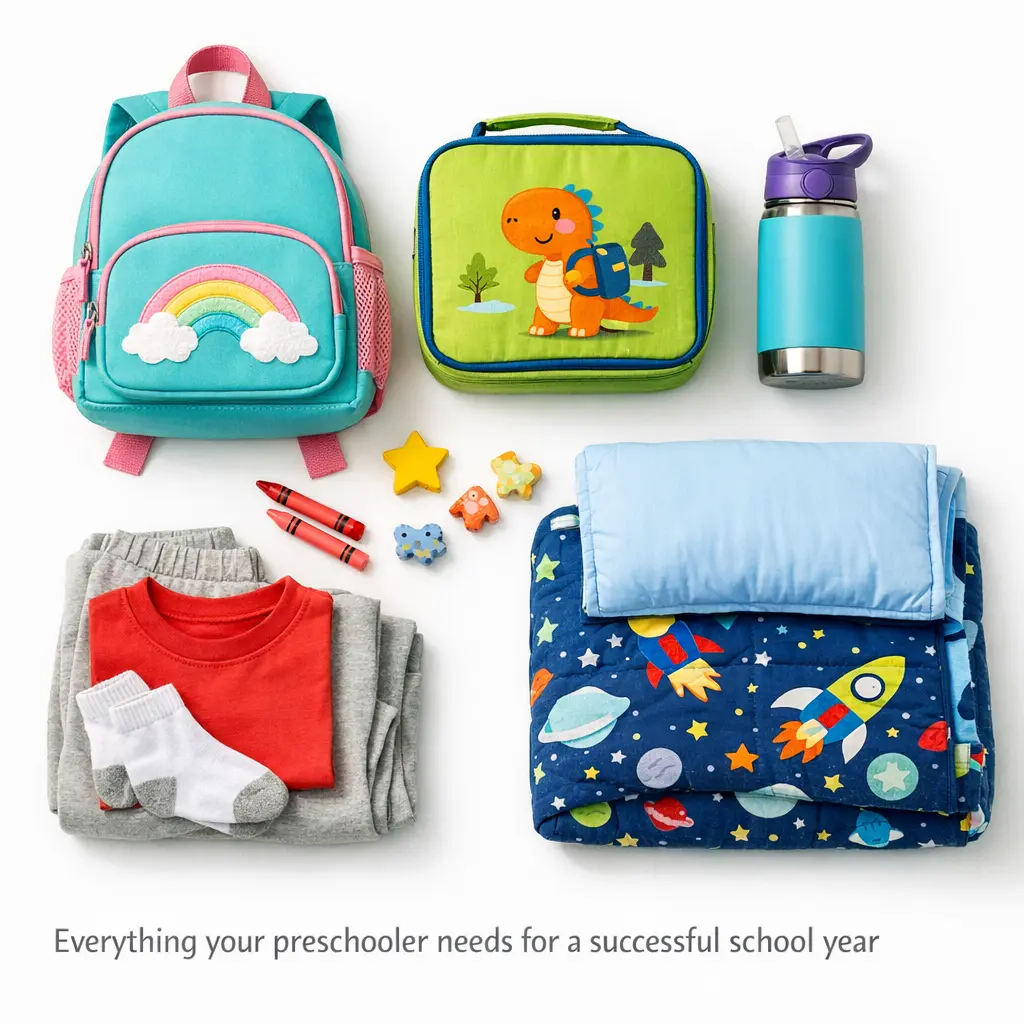
Starting preschool marks a major milestone for your child and your family. Between managing the emotional transition and navigating new routines, the last thing you need is confusion about what supplies to buy.
This preschool supply list cuts through the marketing noise and conflicting advice. You’ll learn exactly what your preschooler needs for a successful year, what you can skip, and how to shop smart without overspending. Whether your child is heading to their first day at age three or transitioning to a new program, this guide provides the practical, parent-tested checklist you need.
The information comes from common preschool requirements across public programs, private schools, Montessori environments, and cooperative preschools. Your specific school will provide their official list, but understanding the reasoning behind each item helps you make better purchasing decisions.
Understanding Preschool Supply Needs
Preschool supply needs differ dramatically from elementary school requirements. Your three or four-year-old needs items that support developing independence, accommodate frequent accidents, and withstand enthusiastic (sometimes destructive) play.
Most preschools follow a different supply model than elementary schools. Rather than requesting specific classroom supplies like tissues or hand sanitizer for community use, preschools typically focus on personal items your child uses daily. Schools usually purchase shared learning materials, art supplies, and classroom equipment through tuition or program fees.
The key difference centers on developmental appropriateness. Preschool supplies must be manageable for small hands, easy to clean, clearly identifiable as your child’s property, and safe for the 3-5 age range.
Typical preschool supply categories include:
- Personal carrying and storage items
- Food and drink containers
- Comfort and rest supplies
- Spare clothing
- Basic hygiene products
- Identification and organization tools
Understanding what schools provide versus what you supply prevents duplicate purchases and ensures your child arrives properly prepared.
The Essential Preschool Supply List
The Perfect Preschool Backpack
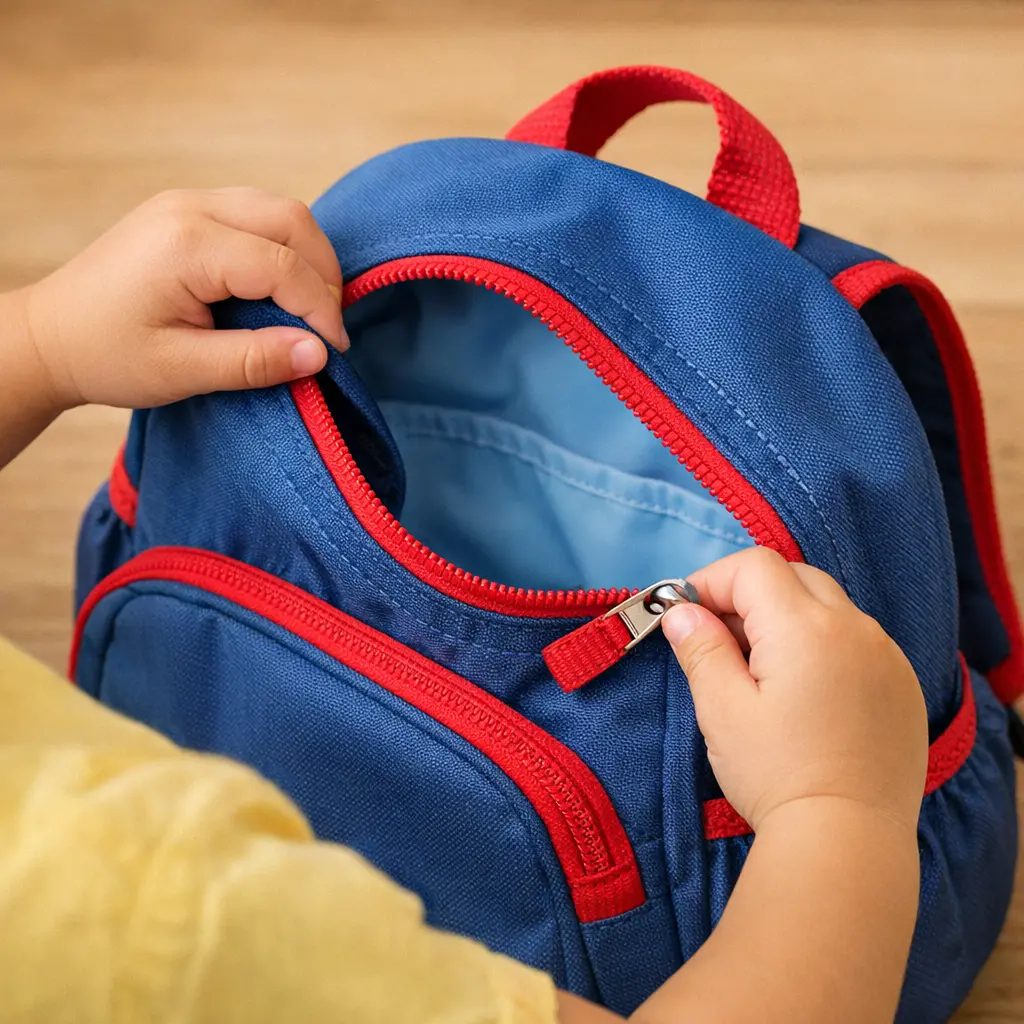
Your child’s backpack serves as their daily companion, holding lunch, spare clothes, artwork, and important papers. The right backpack makes a significant difference in your preschooler’s ability to manage their belongings independently.
Size specifications: Look for backpacks measuring 10-12 inches tall. Anything larger overwhelms small frames and encourages overpacking. Your child should easily reach both shoulder straps and open the main compartment without assistance.
Essential features:
- Two adjustable shoulder straps (chest straps optional but helpful)
- One large main compartment
- One smaller front pocket for quick-access items
- Water-resistant or wipeable material
- Wide, comfortable straps (thin straps dig into shoulders)
- Easy-grip zipper pulls
What to avoid:
- Character themes that change with interests
- Wheels and handles (create tripping hazards in crowded classrooms)
- Multiple compartments (too complex for preschool age)
- Drawstring closures (frustrating for small hands)
A quality preschool backpack should last the entire year and potentially beyond. Budget $20-40 for durability that withstands daily use, outdoor play, and occasional dragging.
Choose simple, solid colors or basic patterns. Your four-year-old’s obsession with a particular character will likely fade, but the backpack needs to last. Neutral choices also photograph better for those precious first-day photos year after year.
Pro tip: Have your child practice packing and unpacking their backpack before school starts. This builds confidence and identifies any issues with zippers or accessibility.
Lunch and Snack Supplies
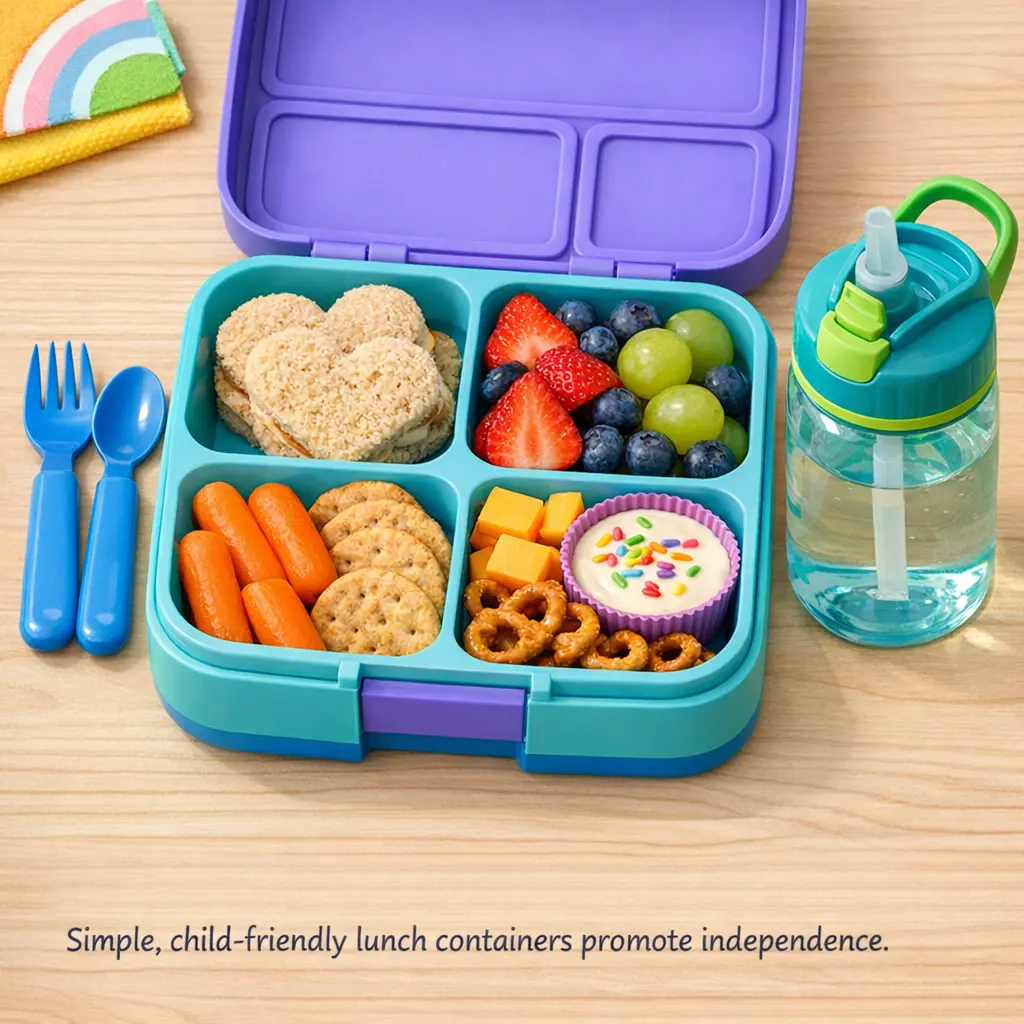
Preschool lunch supplies need to balance durability, ease of use, and food safety. Your child will open containers independently, so complicated latches or tight-fitting lids create frustration and potentially missed meals.
Lunch box requirements:
- Insulated design for food safety
- Easy-open main zipper or closure
- Fits inside backpack or clips externally
- Wipeable interior and exterior
- Size appropriate for preschool portions
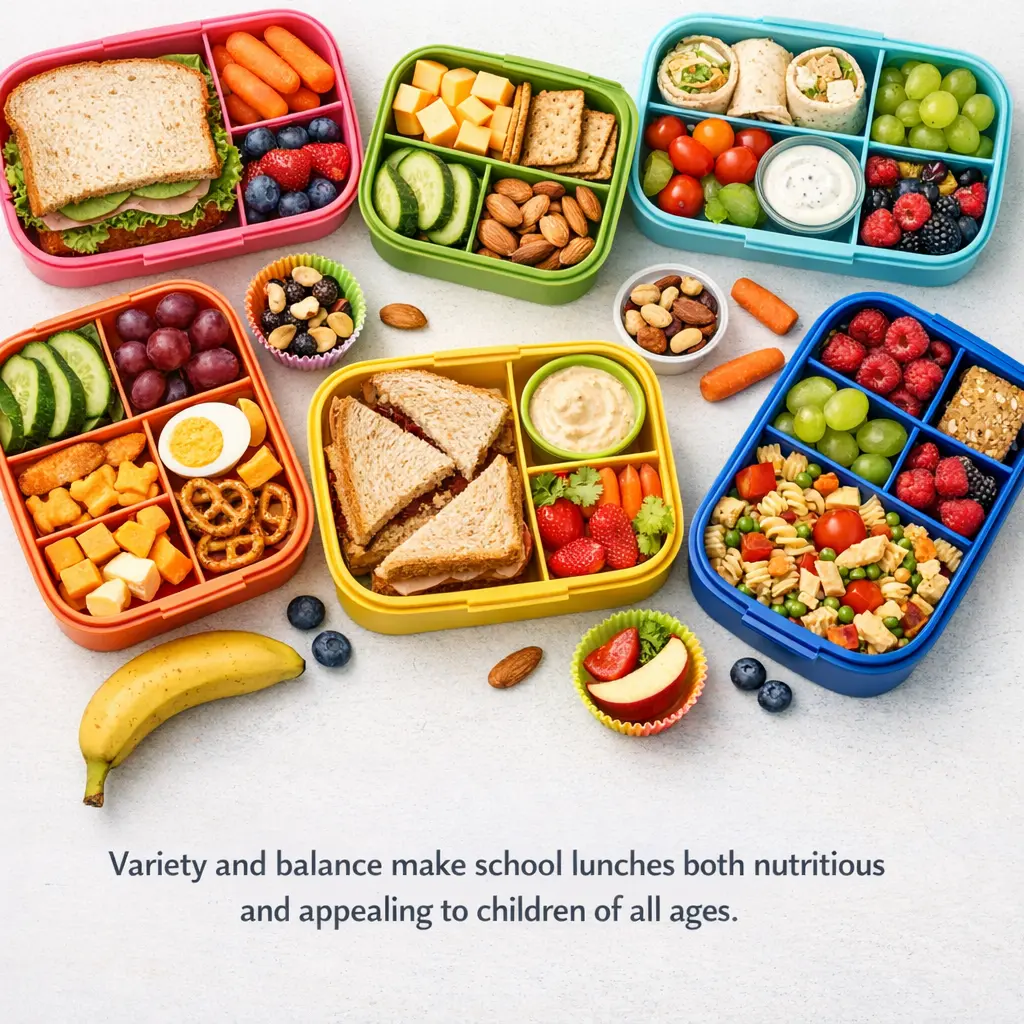
Bento-style boxes with multiple compartments work beautifully for preschoolers. The built-in sections prevent food mixing (critical for picky eaters) and eliminate the need for multiple containers.
For containers, choose:
- Twist-top or flip-top lids over snap-seal (easier for small hands)
- Clear containers (helps identify contents)
- Dishwasher-safe materials
- BPA-free plastic or stainless steel
- 1-2 cup capacity per container
Pack one main container, one smaller container for fruits or vegetables, and optional items like reusable utensils or napkins. Many preschools discourage disposable items for environmental and safety reasons.
Utensils: If your school allows them, choose child-sized forks and spoons with grippy handles. Many children this age still prefer eating with hands when possible, so don’t stress if utensils come home unused.
Common mistakes:
- Packing too much food (preschool portions are smaller than you think)
- Including foods requiring help to open (yogurt tubes, juice boxes with straws)
- Forgetting about classroom temperature (some preschools lack refrigeration)
- Using containers that leak when tipped in backpacks
Hydration Essentials
A reliable water bottle ranks among the most-used preschool supplies. Your child needs easy access to hydration throughout active play, and the right bottle prevents spills, leaks, and classroom disruptions.
Water bottle must-haves:
- Leak-proof design (test by shaking vigorously upside down)
- Spill-proof drinking mechanism
- Easy-carry handle or loop
- 10-14 ounce capacity
- Wide mouth for ice and cleaning
- Dishwasher-safe components
Drinking mechanism options:
Straw bottles work well for most preschoolers. The familiar action from sippy cup days makes transition easy, and straws encourage proper hydration throughout the day.
Flip-top spouts offer another good option. Choose soft silicone spouts rather than hard plastic for comfort and safety.
Avoid open-top bottles or twist-off caps. Guaranteed spills create messes, safety hazards on slippery floors, and unnecessary laundry.
Material considerations:
Stainless steel bottles offer durability and insulation but add weight. Consider whether your child can comfortably carry the added heft.
BPA-free plastic bottles provide lightweight convenience and lower replacement costs when inevitably lost or broken.
Pro tip: Buy two identical bottles. One stays at school while the other gets cleaned at home, ensuring your child always has their familiar bottle available.
Label the bottom, lid, and body. Water bottles separate from their parts constantly in busy preschool environments.
Clothing and Shoes
Extra clothing ranks as non-negotiable for preschool. Accidents, spills, messy art projects, outdoor play, and potty training mishaps guarantee your child will need fresh clothes at some point.
Complete extra outfit requirements (store in backpack):
- 2 pairs underwear
- 2 pairs socks
- 1 pair pants
- 1 pair shorts (seasonal)
- 2 shirts (short and long sleeve options)
- 1 sweatshirt or sweater
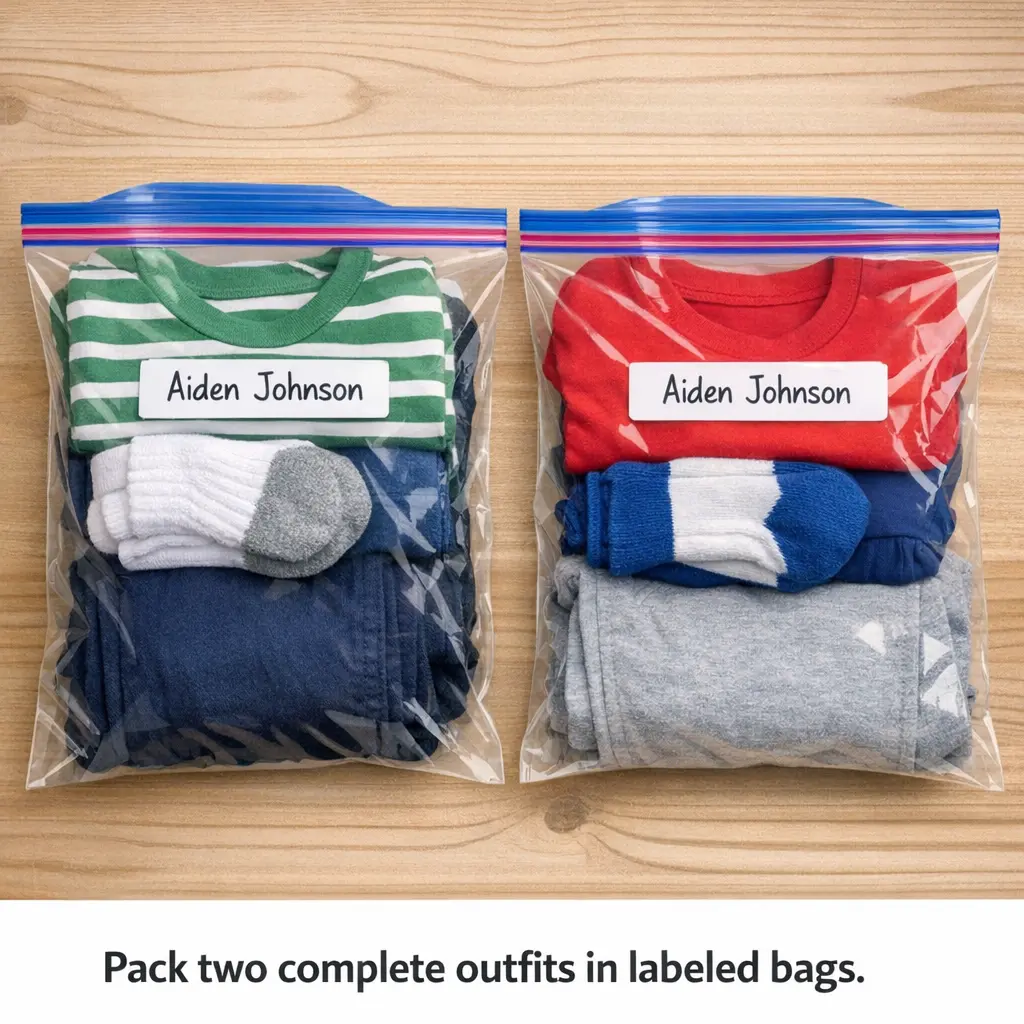
Pack all extras in a gallon-sized zip-close bag labeled with your child’s name. This keeps items together and protects clean clothes from backpack spills.
Clothing characteristics for preschool:
- Elastic waistbands (no belts, buttons, or complicated closures)
- Easy-on, easy-off design for bathroom independence
- Play-appropriate (expect paint, mud, sand, and wear)
- Comfortable for floor sitting and active movement
- Weather appropriate but layerable
Save special outfits for non-school days. Preschool involves messy, active play. Clothes should be items you won’t mourn if damaged.
Shoes for preschool:
Send your child in closed-toe shoes with non-slip soles. Sandals, flip-flops, and dress shoes create safety hazards during playground time and active indoor play.
Velcro closures beat laces for this age group. Most preschoolers haven’t mastered tying, and loose laces cause trips and falls.
Indoor shoes: Some preschools require separate indoor shoes or slippers. Check your school’s policy. If required, choose:
- Slip-on design for independence
- Non-marking soles
- Machine washable
- Clearly labeled with child’s name
Seasonal considerations:
Update extra clothes seasonally. The shorts and t-shirt from September won’t help during January accidents.
Store weather-appropriate outerwear in your child’s cubby: winter coat, rain jacket, sun hat, or warm hat as needed.
Nap Time Necessities
Many preschool programs include rest time, requiring nap supplies from home. Even if your child stopped napping, quiet rest time provides crucial downtime during long preschool days.
Required nap items (check your school’s specific requirements):
Nap mat or cot sheet: Many programs provide cots or mats but require families to supply fitted sheets or covers. Measure your school’s specific mat size before purchasing.
Standard nap mats measure approximately 45 x 19 inches, but variations exist. A too-small sheet won’t stay in place; too-large creates tripping hazards.
Rest blanket: Choose a lightweight blanket your child can manage independently. Heavy comforters overwhelm small bodies and create storage challenges.
Fleece blankets in throw size (approximately 40 x 50 inches) work perfectly. They’re warm enough for comfort, light enough for easy handling, and wash well.
Small pillow (optional, school-dependent): If allowed, send a travel-sized pillow or toddler pillow. Standard bed pillows are too large for both the child and storage requirements.
Comfort item: Many schools allow one small stuffed animal or lovey for rest time. This familiar item eases the transition to sleeping in a new environment.
Check size restrictions. Large stuffed animals create storage problems and potential conflicts with other children.
Nap supply management:
Store all nap items together in a labeled bag or leave in your child’s cubby. Most schools send nap supplies home weekly for washing.
Choose machine-washable everything. Preschool nap items need weekly laundering minimum.
Pro tip: Practice rest time at home with school supplies before the first day. Familiarity with the blanket and routine reduces anxiety.
Personal Hygiene Items
Basic hygiene supplies help your child maintain cleanliness and health throughout the day. Requirements vary by program, so verify your school’s specific needs.
Common hygiene supplies:
Hand sanitizer (if school allows): Some programs request individual bottles, while others provide classroom dispensers. If sending personal sanitizer, choose:
- Unscented formula (reduces allergic reactions)
- Clear or light-colored gel (easier to see coverage)
- Small size (2-3 ounce travel bottles)
- Flip-top cap
Teach proper use before school starts. Some schools prohibit personal hand sanitizer due to ingestion risks with young children.
Tissues: Schools often request tissue boxes for classroom use. Check whether this is a personal or shared supply.
Wipes: Baby wipes or personal cleansing wipes help with bathroom needs, messy hands, and spills. Pack a small travel pack in your child’s backpack.
Sunscreen: For programs with outdoor time, provide labeled sunscreen. Some schools apply before outdoor play, while others expect parents to apply before arrival.
Choose:
- Broad spectrum SPF 30-50
- Fragrance-free formulas
- Spray or stick formula for easy application
- Clearly labeled with child’s name and application instructions
Many schools require signed permission forms for sunscreen application. Complete paperwork early.
Lip balm: Dry lips affect comfort and concentration. Send labeled lip balm with SPF for outdoor protection.
Pull-ups or training pants (if applicable): For children still potty training, provide ample supply in labeled gallon bags. Include wet bags for soiled items.
Diapering supplies (age-dependent): Younger preschool programs may require diapers, wipes, and diaper cream for changing. Provide one to two weeks supply at a time.
Organization and Labeling Supplies
Labeling every single item your child brings to preschool ranks as the most important organizational step. Communal spaces, shared storage, and items that look identical create constant mix-ups.
Items requiring labels:
- Backpack (outside and inside)
- Lunch box (outside and inside)
- Water bottle (bottom, lid, body)
- All food containers and lids
- Nap supplies (sheet, blanket, pillow)
- Extra clothes (each individual item)
- Shoes (inside heel)
- Jackets and outerwear
- Any personal items from home
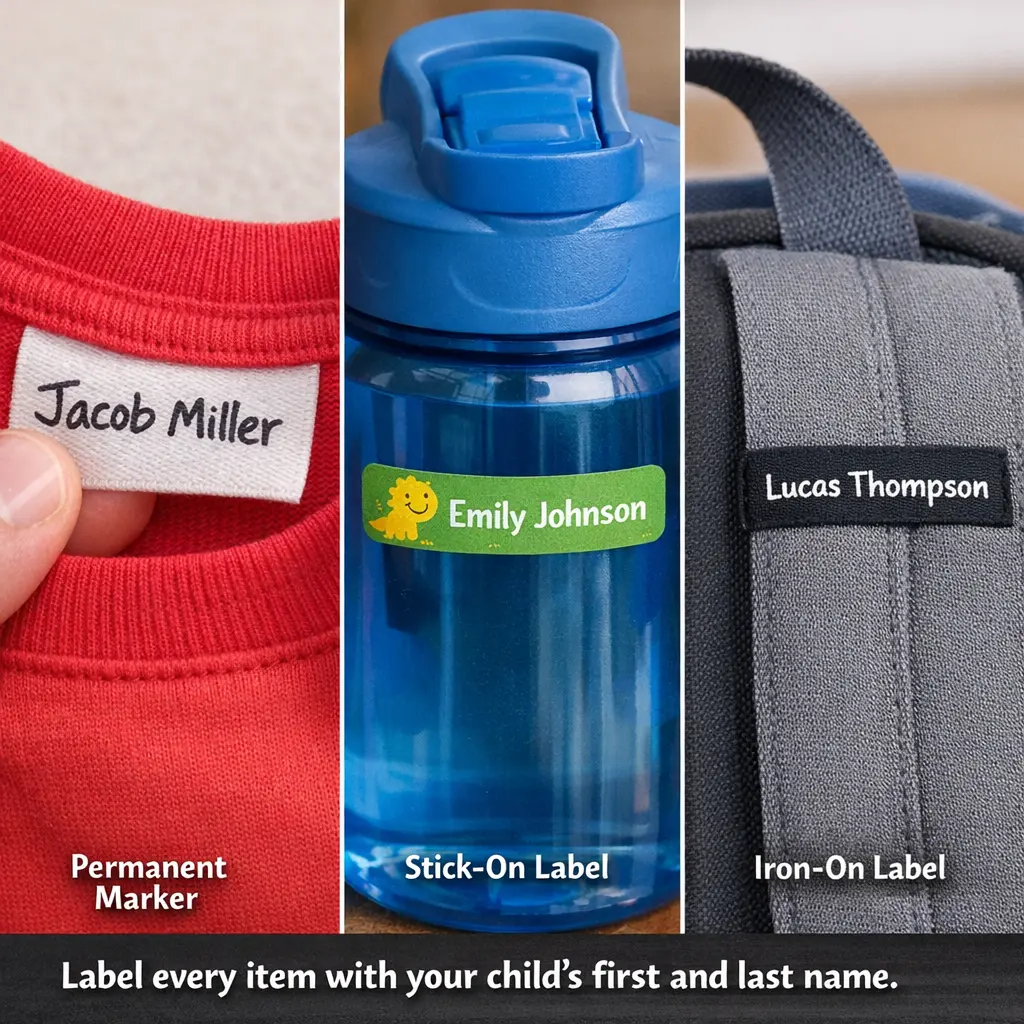
Labeling options:
Permanent marker: The budget-friendly choice. Write directly on tags and care labels. Expect fading after multiple washes.
Stick-on labels: Adhesive name labels work for hard surfaces like lunch boxes, water bottles, and shoe soles. Choose waterproof, dishwasher-safe versions.
Iron-on labels: Excellent for clothing and fabric items. They withstand numerous wash cycles and won’t fade like marker.
Stamp and ink: Fabric stamps provide quick labeling for clothing. Choose permanent, laundry-safe ink.
Label makers: Electronic label makers create durable labels for various surfaces. Higher upfront cost but versatile for multiple uses.
Pro tip: Use first and last name on all labels. Many preschools have multiple children with the same first name.
Include contact information on the backpack interior. If lost outside school, this helps with return.
Create a labeling station at home with your chosen supplies. When new items join the rotation, label immediately before they enter the preschool environment.
Optional Items (School-Dependent)
Some preschools request additional supplies based on their specific program philosophy, activities, or funding situation. These items aren’t universal but appear on many supply lists.
Classroom supply donations:
Some programs ask families to contribute shared supplies:
- Tissues
- Hand soap
- Paper towels
- Disinfecting wipes
- Hand sanitizer
- Ziploc bags (gallon and sandwich sizes)
- Paper plates or napkins
These requests help stretch limited budgets and ensure adequate supplies for classroom needs. Contribution is typically optional, not required.
Art and craft materials:
Schools occasionally request:
- Crayons (large size for preschool grip)
- Washable markers
- Glue sticks
- Child scissors
- Play dough
- Construction paper
Most preschools include art supplies in tuition or program fees. If requested, buy basic quality. Expensive art supplies offer no advantage for this age group.
Outdoor play items:
Weather-dependent programs might request:
- Sunscreen
- Bug spray
- Rain boots
- Snow pants
- Winter gloves and hats
- Rain jacket
- Change of shoes
Store seasonal outdoor items in your child’s cubby for easy access.
Special occasion supplies:
Some schools ask families to provide:
- Birthday celebration treats (check allergy policies)
- Show-and-tell items
- Family photos for projects
- Cultural celebration items
Photo requirements:
Many preschools request small family photos for cubbies or projects. This helps children feel connected and provides comfort during transitions.
Print:
- One family photo (4×6 or smaller)
- One individual photo of your child
Laminate or place in plastic sleeve to protect from handling and spills.
What Preschools Typically Provide
Understanding what schools supply prevents duplicate purchases and helps set realistic expectations.
Standard preschool-provided items:
Learning materials: Blocks, puzzles, books, manipulatives, dramatic play items, sensory materials, and educational toys come from school budgets.
Art supplies: Crayons, markers, paint, brushes, glue, scissors, paper, and craft materials are shared classroom resources.
Outdoor equipment: Playground structures, riding toys, balls, sand toys, and outdoor play materials belong to the school.
Furniture and storage: Tables, chairs, cubbies, shelves, and storage systems are facility property.
Meal supplies (program-dependent): Some preschools provide snacks or full meals. Others expect families to pack all food.
Cleaning and hygiene: Soap, paper towels, cleaning supplies, and first aid materials are school-provided.
Nap equipment: Cots or mats usually belong to the school. Families typically provide sheets and blankets.
What schools generally DON’T provide:
- Personal items (backpacks, lunch boxes, water bottles)
- Individual extra clothing
- Personal comfort items
- Weather-appropriate outerwear
- Individual hygiene products (if policies require personal supplies)
Check your school’s specific policies. Programs vary widely based on funding, philosophy, and type.
Seasonal Supply Adjustments
Preschool supply needs change throughout the year. Proactive seasonal updates prevent last-minute scrambles and keep your child comfortable.
Fall Setup (August-October)
Initial investment is highest. Purchase all essential items new or gently used.
Specific fall needs:
- Light jacket or sweatshirt
- Long pants and short options
- Closed-toe shoes for cooler weather
- Beginning-of-year supply requests from teachers
Winter Adjustments (November-February)
Update supplies for cold weather and indoor heating.
Winter supply changes:
- Heavy winter coat (labeled)
- Warm hat and gloves (mittens easier for this age)
- Snow pants if applicable to your region
- Extra layers for outdoor play
- Lip balm for dry winter air
- Swap shorts for long pants in extra clothes
Winter challenges: Bulky winter gear creates storage issues. Choose coats with loops for hanging. Practice putting on coats independently using the “flip trick.”
Label gloves and hats prominently. These items disappear constantly in preschool environments.
Spring Transition (March-May)
Adjust for warming weather and outdoor time increases.
Spring updates:
- Lighter jacket or hoodie
- Rain boots and jacket
- Sun hat
- Updated sunscreen
- More shorts and short sleeves in extra clothing
- Closed-toe sandals if allowed by school
Replenish worn items from year’s use. Spring often requires replacing damaged lunch boxes, worn backpacks, or outgrown clothing.
Summer Programs
Summer preschool or camp programs often have different requirements.
Additional summer items:
- Swimsuit and towel (if water play included)
- Extra sunscreen application
- Bug spray
- More frequent clothing changes
- Water shoes
- Sun protection clothing
Budget-Friendly Shopping Strategies
Setting up preschool supplies doesn’t require breaking the bank. Strategic shopping gets everything needed for $75-150 initially, with minimal replacement costs throughout the year.
Smart Shopping Timeline
8 weeks before start: Review school’s official supply list. Inventory items already owned from siblings, daycare transition, or previous use.
6 weeks before: Shop back-to-school sales for best selection and prices. Major retailers discount supplies heavily late July through early August.
4 weeks before: Purchase remaining items. Buy labels and complete labeling before rush of school preparation.
2 weeks before: Wash all new items. Practice using supplies with your child.
Where to Shop for Value
Discount retailers: Stores like Target, Walmart, and Marshall’s offer quality basics at reasonable prices. Compare quality versus price, particularly for daily-use items.
Online marketplaces: Amazon, especially during Prime Day, offers competitive pricing and convenience. Read reviews carefully for quality assessment.
Warehouse clubs: Costco and Sam’s Club provide value for households with multiple preschoolers or items used beyond school.
Secondhand options: Facebook Marketplace, Once Upon a Child, and consignment sales offer gently used backpacks, lunch boxes, and nap supplies at fraction of new costs.
Dollar stores: Appropriate for labels, zip-close bags, and some hygiene items. Avoid lunch containers and water bottles due to durability and safety concerns.
What Deserves Investment
Prioritize spending on daily-use items:
Worth the investment:
- Quality backpack ($25-40): Lasts multiple years with proper care
- Durable lunch box ($15-25): Withstands daily use and washing
- Reliable water bottle ($12-20): Leak-proof design saves frustration
- Good labels ($15-25 for starter pack): Prevents lost items and replacements
Save money on:
- Extra clothing (use what you have, buy secondhand)
- Nap blankets (any comfortable blanket works)
- Seasonal items (borrow or buy secondhand when possible)
- Classroom donation supplies (generic brands work fine)
Money-Saving Tips
Reuse and repurpose: Lunch boxes, backpacks, and water bottles from older siblings work perfectly if still functional.
Shop your home first: Many families already own suitable items. Check thoroughly before purchasing.
Buy seasonally: Purchase winter gear on clearance in spring for next year. Buy nap supplies during back-to-college sales.
Join parent groups: Facebook groups and community boards often facilitate supply swaps and hand-me-downs.
Avoid character licensing: Generic designs cost less and don’t become “babyish” as interests change.
Stock up on sale: When favorite items hit clearance, buy backup for future needs.
Consider siblings: If younger children will follow, invest in durable, gender-neutral items for hand-down potential.
Common Preschool Supply Mistakes to Avoid
Learning from others’ experiences prevents frustration and wasted money.
Mistake 1: Buying Too Much
The problem: Overpacking backpacks with excessive supplies, too many extra clothes, or duplicate items creates clutter and overwhelms small children.
The solution: Stick to the essential checklist. Two extra outfits suffice. Schools contact parents if additional items are needed.
Mistake 2: Choosing Complicated Items
The problem: Lunch boxes with tricky latches, backpacks with too many zippers, or containers requiring adult help frustrate preschoolers and teachers.
The solution: Test everything for child-friendliness. If your preschooler can’t open it independently after brief practice, choose a simpler option.
Mistake 3: Skipping Labels
The problem: Unlabeled items disappear into the lost-and-found, get mixed up with identical items, or can’t be returned when found.
The solution: Label everything before the first day. Assume every item will separate from your child at some point.
Mistake 4: Ignoring School Guidelines
The problem: Purchasing prohibited items (nut-containing foods, certain toys, inappropriate clothing) creates morning struggles and wasted money.
The solution: Read school policies thoroughly. When unclear, ask before purchasing.
Mistake 5: Buying Based on Child’s Current Interests
The problem: Character-themed items become embarrassing as interests change, requiring replacement of perfectly functional supplies.
The solution: Choose classic, neutral designs. Let your child pick colors or simple patterns for ownership without limiting longevity.
Mistake 6: Forgetting Seasonal Changes
The problem: Extra clothes packed in September don’t suit February weather, leaving children cold and uncomfortable after changes.
The solution: Calendar quarterly reminders to update extra clothing seasonally.
Mistake 7: Purchasing Poor Quality Daily-Use Items
The problem: Cheap water bottles leak, flimsy lunch boxes break, and low-quality backpacks tear within weeks, requiring replacement and costing more long-term.
The solution: Invest appropriately in items used daily. Buy mid-range quality with good reviews rather than cheapest options.
Mistake 8: Not Involving Your Child
The problem: Children reject supplies they didn’t help choose, refuse to use unfamiliar items, or lack excitement about school preparation.
The solution: Give controlled choices. Let your child pick between two parent-approved backpacks or select water bottle color from appropriate options.
Mistake 9: Forgetting Extras at Home
The problem: Schools run out of extra clothes, nap blankets need emergency washing, or lunch boxes break, leaving children without needed supplies.
The solution: Keep backup supplies at home: extra emergency outfit, second water bottle, backup lunch container.
Mistake 10: Waiting Until the Last Minute
The problem: Last-minute shopping means picked-over selection, higher prices, rush shipping fees, and added stress.
The solution: Shop 6-8 weeks before start date for best selection and sales.
Age-Appropriate Supply Considerations
Supply needs vary slightly based on your child’s age and developmental stage.
Three-Year-Olds (Young Preschool)
Developmental considerations:
- Emerging independence with self-care
- Still mastering potty training potentially
- Limited fine motor skills
- Shorter attention span
- Strong attachment to comfort items
Supply adjustments:
- Smallest backpack size (10 inches)
- Simplest closures and openings
- Pull-ups and extra accident supplies if needed
- Favorite comfort item for security
- Extra patience with learning to manage supplies
Four-Year-Olds (Pre-K)
Developmental considerations:
- Growing independence
- Improved fine motor control
- Usually fully potty trained
- Better at following routines
- Pride in responsibilities
Supply adjustments:
- Slightly larger backpack acceptable (11-12 inches)
- Can handle flip-top water bottles
- Needs fewer spare outfits typically
- Can participate in choosing supplies
- May outgrow nap supplies during year
Five-Year-Olds (Transitional Kindergarten)
Developmental considerations:
- Significant independence
- Strong self-care skills
- Reading readiness beginning
- Able to manage belongings well
- May not nap
Supply adjustments:
- Larger backpack for homework folders
- Standard lunch containers manage well
- Minimal extra clothing needs
- May transition to kindergarten supplies mid-year
- Rest mat might substitute for nap mat
Preparing Supplies for Different Preschool Types
Program philosophy and structure influence specific supply needs.
Public Preschool Programs
Characteristics: Often part of public school systems, serving diverse populations, funded through government programs.
Typical supply approach: Minimal required personal supplies, most materials provided through program, focus on accessibility.
Expect to provide: Backpack, lunch supplies if not part of meal program, extra clothes, basic hygiene items.
Usually provided: All learning materials, art supplies, outdoor equipment, some nap supplies.
Private Preschools
Characteristics: Independent programs with varied philosophies, tuition-funded, often smaller class sizes.
Typical supply approach: Varies widely, some request extensive supplies, others include everything in tuition.
Expect to provide: Personal items plus potential classroom supply contributions, specific program-related materials.
Usually provided: Learning materials, art supplies, often more extensive equipment.
Montessori Programs
Characteristics: Follow Montessori philosophy emphasizing independence, carefully prepared environments, specific materials.
Typical supply approach: Minimal personal supplies, very specific about what’s allowed, quality over quantity.
Expect to provide: Simple personal items, possibly indoor shoes, specific colors or styles to maintain environment harmony.
Usually provided: All Montessori materials and equipment, carefully selected classroom resources.
Cooperative Preschools
Characteristics: Parent participation model, families share teaching and administrative duties, budget-conscious.
Typical supply approach: Extensive shared supply requests, families often rotate providing snacks, parent volunteer supplies.
Expect to provide: Personal basics plus regular classroom supply contributions, cleaning supplies, snack rotation items.
Usually provided: Basic structure, with details depending on parent contributions.
Religious Preschools
Characteristics: Faith-based programs, often church-affiliated, incorporate religious education.
Typical supply approach: Similar to private preschools, possible religious material additions.
Expect to provide: Standard personal items, possibly items for religious celebrations or activities.
Usually provided: Learning and religious education materials.
Final Preparation Checklist
Use this checklist two weeks before preschool starts:
Purchased and ready:
- Backpack (labeled inside and out)
- Lunch box (labeled, washed)
- Water bottle (labeled on all parts, tested for leaks)
- 2 complete extra outfit sets (labeled, stored in zip-close bag)
- Indoor shoes if required (labeled)
- Nap supplies (labeled, washed)
- Personal hygiene items (labeled, appropriate sizes)
- Comfort item if allowed (labeled)
Organization complete:
- All items labeled with first and last name
- Extra clothes updated for current season
- Nap supplies fit school’s mat dimensions
- Backup supplies stored at home
- School paperwork completed
Child preparation:
- Practiced opening backpack
- Tested lunch containers for independent use
- Tried drinking from water bottle
- Practiced putting on jacket and shoes
- Familiar with nap supplies
- Excited about chosen supplies
Parent preparation:
- School supply list reviewed and followed
- Special requirements understood (allergies, restrictions)
- Seasonal update reminders calendared
- Contact information updated with school
- Photos provided if requested
- Morning routine planned and practiced
Comparison Tables
Backpack Features Comparison
| Feature | Essential | Nice to Have | Unnecessary |
|---|---|---|---|
| Size (10-12″) | ✓ | ||
| Two shoulder straps | ✓ | ||
| Main compartment | ✓ | ||
| Water-resistant | ✓ | ||
| Front pocket | ✓ | ||
| Chest strap | ✓ | ||
| Multiple compartments | ✓ | ||
| Wheels | ✓ | ||
| Character themes | ✓ |
Water Bottle Types for Preschool
| Type | Pros | Cons | Best For |
|---|---|---|---|
| Straw bottle | Familiar, easy to use, good flow | Straws need cleaning, replacement | Most preschoolers |
| Flip-top spout | Simple, spill-proof, durable | Some require hard sucking | Active children |
| Squeeze bottle | Easy water flow, soft spout | Can spray if squeezed wrong | Careful drinkers |
| Open-top/screw cap | Simple design, easy to clean | Guaranteed spills | Not recommended |
Lunch Container Options
| Container Type | Independence Level | Leak-Proof | Cleaning Ease | Price Range |
|---|---|---|---|---|
| Bento box (built-in sections) | High | Medium | Medium | $15-30 |
| Individual snap containers | Medium | High | High | $10-20 |
| Twist-top containers | High | Medium-High | High | $8-15 |
| Thermos food jar | Low-Medium | High | Medium | $12-25 |
Label Type Comparison
| Label Type | Durability | Application Time | Cost | Best Use |
|---|---|---|---|---|
| Permanent marker | Low-Medium | Fast | Very low | Quick temporary solution |
| Stick-on | Medium | Fast | Low-Medium | Hard surfaces |
| Iron-on | High | Medium | Medium | Clothing, fabric items |
| Stamp | Medium | Fast | Medium upfront | High-volume clothing |
| Label maker | High | Medium | High upfront | All surfaces, multiple uses |
Checklists
Quick Shopping Checklist
Personal Carrying Items:
- Small backpack (10-12 inches)
- Lunch box or bag
- Leak-proof water bottle
Clothing:
- 2 complete extra outfits (pants, shirts, underwear, socks)
- Indoor shoes (if required)
- Seasonal outerwear
Nap Time (if applicable):
- Nap mat or fitted sheet
- Small blanket
- Small pillow (if allowed)
- Comfort item
Hygiene (check school requirements):
- Hand sanitizer
- Tissues
- Wipes
- Sunscreen (labeled)
Organization:
- Labels for all items
- Gallon zip-close bags
- Family photo
First Morning Checklist
In backpack:
- Labeled lunch box with appropriate foods
- Full water bottle
- Extra clothes in labeled bag
- Any required paperwork
- Comfort item if allowed
- Show-and-tell item if scheduled
Wearing:
- Weather-appropriate clothing
- Closed-toe shoes
- Jacket/outerwear if needed
Parent tasks:
- Applied sunscreen if school doesn’t
- Signed in at arrival
- Checked cubby for notes
- Communicated special needs to teacher
Seasonal Update Checklist
Every season (4 times/year):
- Replace extra clothes with season-appropriate items
- Update outerwear in cubby
- Check water bottle for wear/damage
- Wash or replace nap supplies
- Refresh sunscreen (check expiration)
- Replace worn lunch containers
- Check backpack zippers and straps
- Update labels on faded items
- Restock hygiene supplies
Weekly Maintenance Checklist
Every week:
- Wash lunch box and containers
- Wash water bottle thoroughly
- Bring home nap supplies for washing
- Check for notes/artwork in backpack
- Verify extra clothes still present
- Wipe down backpack if needed
- Refill hygiene supplies as needed
- Check for outgrown clothing
Decision Frameworks
Choosing the Right Backpack
Step 1: Measure your child’s torso (shoulder to waist). Backpack should not extend below waistline.
Step 2: Test weight. Backpack with typical daily contents shouldn’t exceed 10% of child’s body weight.
Step 3: Check strap adjustability. Straps should sit comfortably on shoulders without sliding off.
Step 4: Evaluate accessibility. Can your child open/close the main compartment independently?
Step 5: Assess durability. Check zipper quality, strap attachment points, and material thickness.
Step 6: Consider longevity. Will design remain appropriate for 2-3 years?
Decision: If all factors are positive, purchase. If multiple concerns exist, keep looking.
Determining Lunch Container Needs
Question 1: Does your preschool have refrigeration?
- Yes: More container options available
- No: Insulated lunch box essential, focus on room-temperature foods
Question 2: What is your child’s eating style?
- Adventurous eater: Bento box with variety works well
- Selective eater: Simple containers with familiar foods reduce overwhelm
Question 3: What foods will you typically pack?
- Mostly dry foods: Simple containers sufficient
- Soups/wet foods: Need leak-proof, possibly insulated options
Question 4: What is your child’s independence level?
- Highly independent: Twist-top or bento boxes work
- Still developing: Flip-top or very simple containers better
Question 5: What’s your budget?
- Tight budget: Start with 2-3 basic containers ($10-15 total)
- Flexible budget: Invest in quality bento system ($20-30)
Deciding on Optional Supplies
For each optional item, ask:
- Did the school specifically request this?
- Yes: Include on shopping list
- No: Continue evaluation
- Will my child use this weekly or more?
- Yes: Worth purchasing
- No: Probably skip
- Can I borrow or use what we have?
- Yes: No purchase needed
- No: Continue evaluation
- Does this solve a specific problem or need?
- Yes: Consider purchasing
- No: Skip
- Is this within my budget priorities?
- Yes: Add to list
- No: Mark as “future” or skip
Examples:
- Classroom tissue donation: Did school request? Yes → Purchase
- Special art supplies: Will child use weekly? No → Skip unless specifically requested
- Extra pair shoes: Can use what we have? Yes → Skip new purchase
Tags: preschool supply list, preschool supplies, what to bring to preschool, preschool checklist, first day of preschool supplies, preschool essentials, preschool supply checklist, preschool school supplies, 3 year old preschool supplies, 4 year old preschool supplies, pre k supply list, preschool starter kit, preschool supply shopping list, backpack for preschoolers, preschool lunch box, nap time supplies, change of clothes, preschool hygiene items, preschool art supplies, indoor shoes for preschool, preschool labels, potty training supplies, what does my child need for first day of preschool, complete preschool supply list for parents, preschool supply list on a budget, what supplies do preschools provide, do I need to buy supplies for preschool, what do preschoolers need for school, what should I pack in my preschooler’s backpack, how many outfits for preschool, what size backpack for 3 year old, do preschools provide snacks, what kind of lunch box for preschool, best backpack for preschoolers, where to buy preschool supplies, preschool supply shopping guide



Leave a Reply