

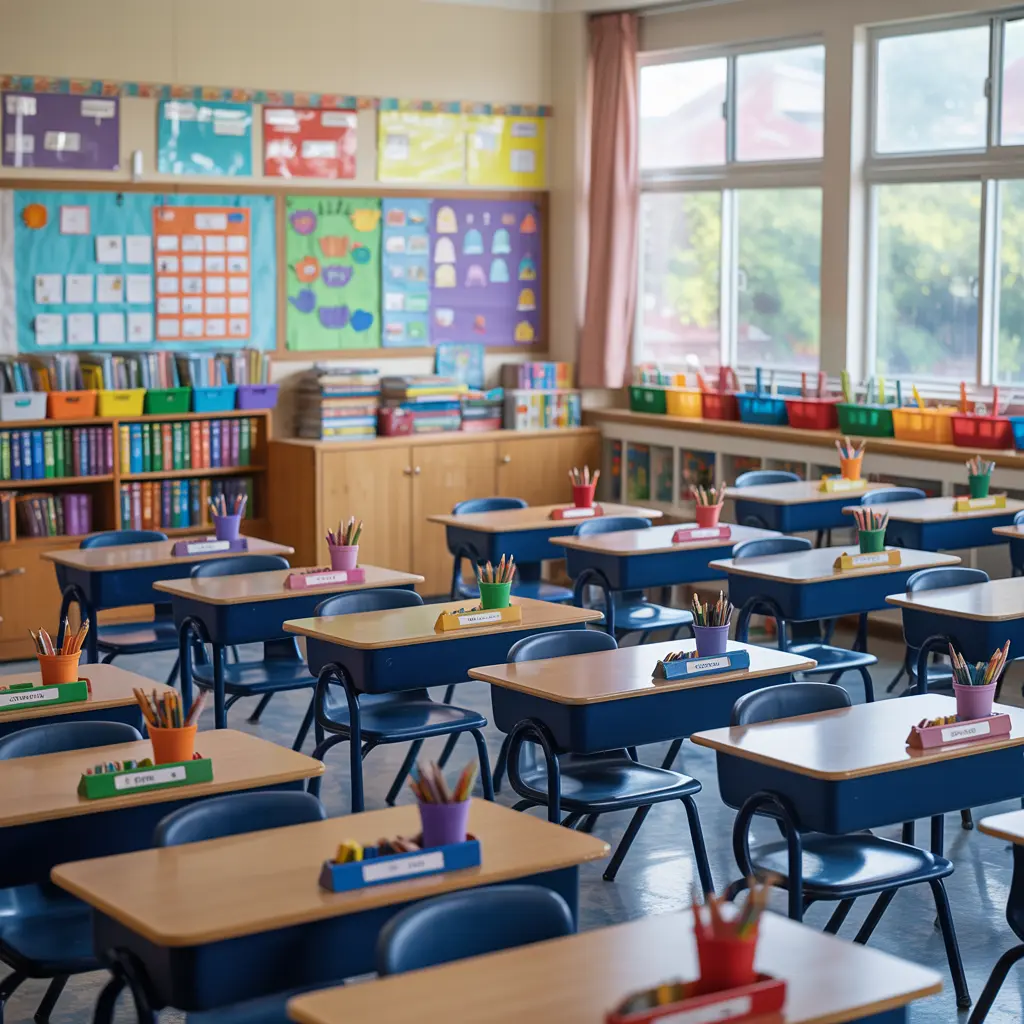
Back to school night ranks among the most important parent involvement opportunities of the academic year. Yet many parents feel uncertain about what happens during this event, how it differs from parent-teacher conferences, or how to make the most of this limited time with their child’s teacher.
This guide explains everything you need to know about back to school night—from what to expect and how to prepare to the strategic questions that help you support your child’s success throughout the school year. Whether you’re a first-time parent or have older children, understanding how to navigate this event strengthens your partnership with teachers and shows your child that education matters.
Schools typically schedule back to school night within the first month of the academic year. The event gives parents a structured opportunity to understand classroom expectations, curriculum goals, and communication systems before the school year builds momentum.
What Is Back to School Night?
Back to school night is an annual school-wide event where parents visit their child’s classroom environment, meet the teacher, and learn about the year ahead. The event focuses on general classroom information that applies to all students rather than individual student performance.
Event Structure
Most back to school nights follow this general format:
Welcome Assembly (15-30 minutes): Principal or administrators provide school-wide information including:
- School improvement goals
- Important calendar dates
- New policies or procedures
- Safety protocols
- Introduction of new staff
Classroom Visits (20-40 minutes per class): Parents visit individual classrooms where teachers present:
- Curriculum overview and learning objectives
- Daily schedule and routines
- Homework expectations
- Grading policies
- Classroom rules and behavior management
- Supplies and materials needed
- Communication methods and preferences
- Volunteer opportunities
Open Q&A (10-15 minutes): General questions about classroom procedures and expectations.
What Makes It Different
Back to school night is informational and forward-looking. Teachers share what students will learn, how the classroom operates, and how parents can support learning at home. The event intentionally avoids individual student discussions to respect time and privacy.
Common Names
Schools may call this event:
- Curriculum Night
- Meet the Teacher Night
- Parent Orientation
- Open House (though this sometimes refers to a different event)
- Family Night
The name varies by district, but the purpose remains consistent: helping parents understand the classroom environment and academic year ahead.
Why Back to School Night Matters
Some parents question whether back to school night deserves space in their busy schedule, especially if they’ve attended in previous years. Research on parent engagement consistently shows that attendance at these events correlates with positive student outcomes.
Benefits for Your Child
Sets Educational Priority: When children know their parents attended back to school night, they receive a clear message that education matters. This simple act of showing up reinforces the importance of school.
Reduces Anxiety: Students worry less when they know their parents understand classroom expectations and have met their teacher. It creates alignment between home and school.
Improves Support: You can’t effectively help with homework or understand progress reports without knowing what your child should be learning and how work is evaluated.
Benefits for Parents
Early Relationship Building: Establishing positive teacher relationships at the year’s start makes future communication easier and more productive.
Prevention Over Reaction: Understanding expectations early helps you spot and address potential problems before they become serious.
Resource Access: You’ll learn about technology platforms, grading portals, and communication tools that keep you informed throughout the year.
Community Connection: Meeting other parents creates a support network for carpools, playdates, and navigating school together.
Benefits for Teachers
Teachers invest significant preparation time for back to school night because it:
- Reduces misunderstandings about policies
- Establishes clear communication expectations
- Builds partnerships with families
- Decreases mid-year clarification emails
When teachers and parents start the year aligned, everyone benefits.
Back to School Night vs. Parent-Teacher Conferences
Many parents confuse these two events. Understanding the difference helps you prepare appropriately and use each opportunity effectively.
Key Differences
| Aspect | Back to School Night | Parent-Teacher Conferences |
|---|---|---|
| Timing | First 4-6 weeks of school | Mid-year and/or end of year |
| Format | Group presentation | Individual meeting |
| Focus | General classroom information | Specific student performance |
| Duration | 20-40 minutes per class | 10-20 minutes per student |
| Content | Curriculum, policies, expectations | Grades, progress, concerns, goals |
| Questions | General classroom procedures | Individual student needs |
| Student Attendance | Usually stays home | Sometimes attends (varies by age) |
| Privacy | Public setting with all parents | Private conversation |
Using Both Effectively
Think of back to school night as laying the foundation for the year. It answers: “What will my child learn, and how does this classroom work?”
Parent-teacher conferences build on that foundation by addressing: “How is my specific child progressing, and what support do they need?”
Both events serve essential but different purposes. Attending back to school night doesn’t replace conferences, and vice versa.
What to Save for Conferences
Avoid using back to school night to discuss:
- Your child’s specific academic performance
- Individual behavior concerns
- Special education accommodations (request a separate meeting)
- Disagreements with previous teachers
- Detailed learning challenges
Teachers cannot provide meaningful individual feedback in a group setting with limited time. Note these topics and raise them during scheduled conference time or request a separate meeting.
When Does Back to School Night Happen?
Most schools schedule back to school night within the first month of the academic year, typically between the second and sixth week.
Typical Timing
Elementary Schools: Often held 2-3 weeks after school starts, giving teachers time to establish routines but holding the event before curriculum accelerates.
Middle Schools: Frequently scheduled 3-4 weeks into the year, allowing students to adjust to multiple classes and teachers to assess the group dynamic.
High Schools: May occur 4-6 weeks into the semester, after teachers have covered initial material and students have settled into their schedules.
Scheduling Format
Weeknight Evenings: Most common, typically 6:00-8:00 PM or 6:30-8:30 PM to accommodate working parents.
Early Start Times: Some schools begin at 5:30 PM or 6:00 PM for elementary grades with younger bedtimes.
Virtual Options: Increasingly common, with some schools offering both in-person and virtual attendance options.
Multiple Children
If you have children in different classrooms or grade levels, schools typically structure the evening in one of two ways:
Simultaneous Format: All grade levels meet at the same time. You’ll need to prioritize which classrooms to visit or split time between them if geographically close.
Staggered Schedule: Different grade levels or classes meet at different times, allowing parents to attend multiple sessions.
Rolling Schedule: High schools often create a schedule where you rotate through abbreviated versions of your student’s daily schedule, spending 10-15 minutes in each period.
Check your school’s specific schedule as soon as you receive notification.
What to Expect During the Event
Understanding the typical flow helps you navigate the evening efficiently and feel more comfortable.
Arrival and Check-In
Sign-In: Most schools have a check-in table where you:
- Sign in for attendance records
- Receive class schedules or maps
- Pick up name tags
- Get handouts or information packets
Security: Schools may require ID and visitor badges for safety protocols.
Parking and Arrival Time: Arrive 10-15 minutes early. Parking fills quickly, and you may need time to locate classrooms, especially in large or unfamiliar buildings.
The Classroom Visit
Teachers typically present standing at the front of the room while parents sit at student desks or stand in back if space is limited.
Presentation Topics:
- Teacher introduction and background
- Daily schedule and routines
- Curriculum overview for the year
- Homework policies and expectations
- Grading system explanation
- Classroom rules and behavior management
- Supplies needed
- Special programs or activities
- Field trips planned
- Communication preferences
- Volunteer opportunities
Materials Provided:
- Syllabus or curriculum overview
- Classroom policies handout
- School calendar
- Contact information
- Supply lists
- Technology platform instructions
Student Work Display: Many teachers display student work, textbooks, or materials you can browse before or after the presentation.
Question and Answer
Teachers typically reserve 10-15 minutes for questions. General questions work best in this setting:
- Appropriate: “How can we support reading at home?”
- Inappropriate: “Why did my son get a C on his last test?”
Social Elements
Parent Networking: Brief time to introduce yourself to parents of your child’s classmates.
Teacher Availability: Some teachers stay after for quick clarifying questions, though individual concerns should be scheduled separately.
Refreshments: Some schools or PTAs provide light refreshments in common areas.
Virtual Format Differences
Virtual back to school nights typically use video conferencing platforms where:
- Teachers present with shared screens showing materials
- Parents can ask questions via chat or microphone
- Breakout rooms may be used for different classes
- Recordings may be available for those who can’t attend live
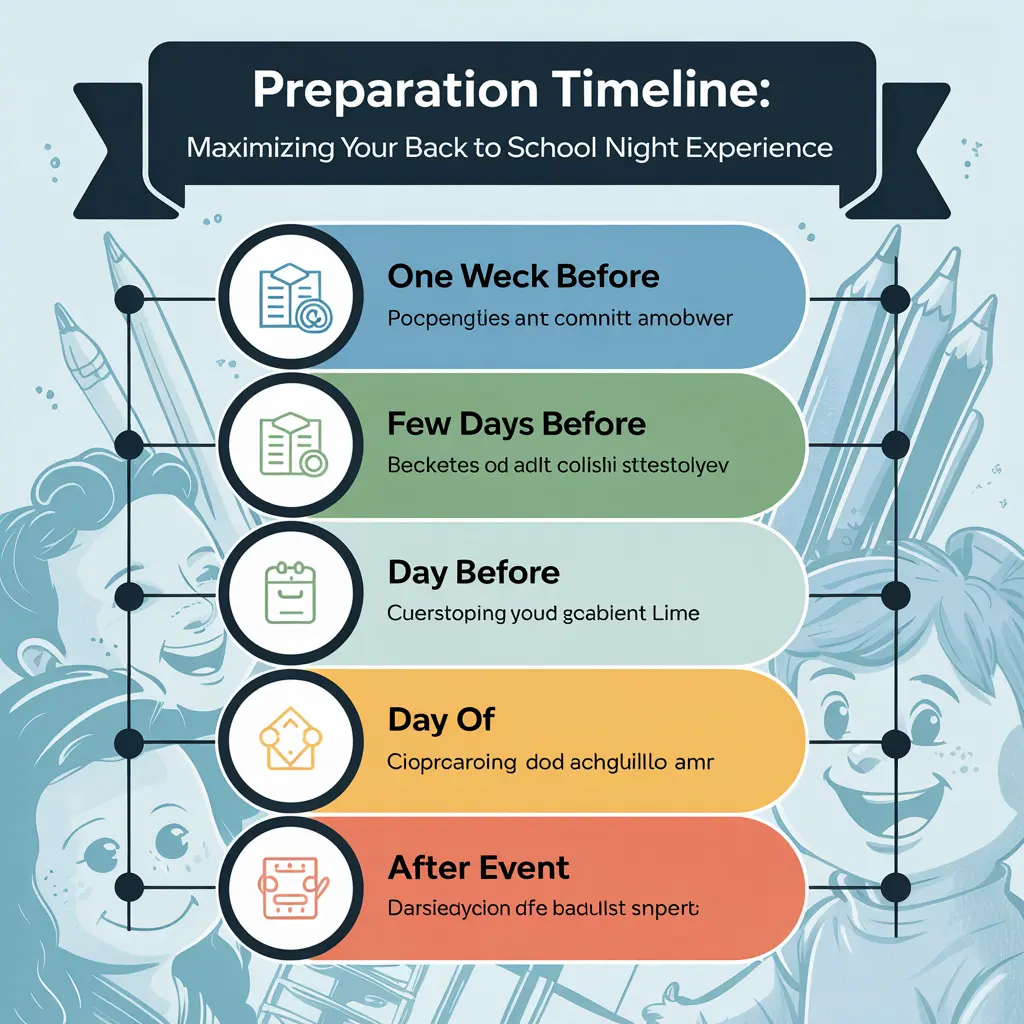
How to Prepare for Back to School Night
Preparation maximizes the value you get from limited time with your child’s teacher.
Before the Event
Review School Communications (1 week before):
- Read all emails, newsletters, or announcements
- Check the school website for event details
- Note the schedule, especially if you have multiple children
- Confirm whether the event is in-person, virtual, or hybrid
Talk to Your Child (2-3 days before):
- Ask how they feel about their teacher and classroom
- Inquire about routines, rules, and activities they’ve done
- Note any concerns or questions they mention
- Ask if there’s anything specific they want you to know
Prepare Questions (1 day before):
- Write down specific questions based on your child’s age and needs
- Prioritize your top 3-5 questions in case time is limited
- Separate general questions (appropriate for back to school night) from individual concerns (save for separate meeting)
Review Last Year (if applicable):
- Reflect on what worked and what didn’t in previous grades
- Note areas where your child needed extra support
- Consider what communication frequency worked best
Coordinate Attendance (for separated/divorced parents):
- Discuss who will attend if both parents can’t
- Plan to share information if one parent attends alone
- Consider alternating years if joint attendance is uncomfortable
Technology Check (for Virtual Events)
Test Your Setup (2 days before):
- Verify your device, camera, and microphone work
- Test the platform the school is using
- Ensure you have login credentials
- Check your internet connection
- Find a quiet space with good lighting
- Have phone number backup in case of technical issues
Logistical Planning
Childcare: Arrange care for your children. Most schools recommend students stay home.
Transportation: Plan your route and parking strategy, especially for unfamiliar buildings.
Work Schedule: Request time off if needed, or explore virtual options if your employer offers flexibility.
Dinner: Plan a quick meal beforehand if the event starts during typical dinner hours.
What to Bring
Pack a small bag with these essentials:
Must-Bring Items
Notebook and Pen: Take notes on curriculum, policies, and follow-up items. You’ll forget details if you don’t write them down.
Calendar or Phone: Add important dates immediately (field trips, conferences, holidays, testing days).
Questions List: Written questions ensure you don’t forget to ask important items.
School Papers: Bring forms that need signatures or require clarification.
Contact Information: Have your preferred email and phone number ready in case the teacher’s records are incorrect.
Helpful Additional Items
Sibling Schedules: If you have multiple children, bring their schedules so you can coordinate your evening efficiently.
Student Handbook: Reference this during the presentation if policies are discussed.
Water Bottle: Classrooms can be warm with many adults present.
Phone for Photos: Photograph posted schedules, classroom numbers, supply lists, or bulletin boards for reference (if school policy allows).
What to Leave Home
Your Children: Unless specifically invited, students typically don’t attend. This is adult time for focused information sharing.
Unrelated Concerns: Save detailed discussions about individual student issues for scheduled conference time.
Defensiveness: Approach the evening with openness to learning, not justifying or defending.

Questions to Ask at Back to School Night
Strategic questions help you understand how to support your child’s learning and establish effective communication with the teacher.
Curriculum and Learning
Elementary School:
- “What are the most important skills students should master this year?”
- “How can we support reading/math at home?”
- “What does a typical homework assignment look like?”
- “How much time should homework take each night?”
- “What library or reading resources do you recommend?”
Middle School:
- “What are the key concepts students will learn in each unit?”
- “How does this year’s curriculum build on last year?”
- “What study skills are most important for success in your class?”
- “How are major projects and tests scheduled?”
- “What online resources can students use for extra practice?”
High School:
- “What should students prioritize to succeed in this course?”
- How does this course prepare students for next year or college?”
- “What’s your policy on late work or make-up tests?”
- “How can students get extra help if they’re struggling?”
- “What does an ‘A’ in this class require?”
Communication
For All Grade Levels:
- “What’s the best way to contact you with questions or concerns?”
- “How quickly should we expect a response to emails?”
- “How will you communicate student progress?”
- “Do you prefer email, phone calls, or another method?”
- “How often should we check the online grade portal?”
- “Will you send regular updates, or should we reach out proactively?”
Homework and Grading
- “What percentage of the grade comes from homework, tests, participation, and projects?”
- “What’s your homework philosophy?”
- “How should we help with homework without doing it for them?”
- “What should we do if our child consistently can’t complete homework in the expected time?”
- “Are there any major projects we should know about now?”
Classroom Environment
- “What are your classroom behavior expectations?”
- “How do you handle behavior issues?”
- “What consequences are used for rule violations?”
- “How can we reinforce classroom expectations at home?”
Support and Resources
- “What resources are available for students who need extra help?”
- “How can we identify if our child is struggling before it becomes serious?”
- “What enrichment opportunities exist for students who need challenges?”
- “Are there tutoring programs or peer support available?”
Parent Involvement
- “What volunteer opportunities are available?”
- “How can we best support you as the teacher?”
- “Are there upcoming events where families can participate?”
- “What does the PTA/PTO focus on this year?”
Questions to Avoid
Save these for individual meetings:
- Questions about your specific child’s performance or behavior
- Lengthy explanations of your child’s learning history
- Disagreements with policies or previous teachers
- Complex special education or accommodation discussions
Grade-Level Specific Considerations
Different grade levels require different focus areas during back to school night.
Elementary School (K-5)
Unique Focus Areas:
- Reading development stages and benchmarks
- Math fact mastery expectations
- Daily routines and transitions
- Social-emotional learning
- Recess and lunch procedures
Key Questions:
- “How will you teach reading this year?”
- “What can we do at home to support literacy?”
- “How do you handle conflicts between students?”
- “What does independence look like at this grade?”
What to Expect:
- Detailed explanation of classroom routines
- Significant emphasis on behavior and social development
- Discussion of specials (art, music, PE) schedules
- Information about snacks, lunch, bathroom policies
Middle School (6-8)
Unique Focus Areas:
- Transition to multiple teachers
- Increased independence expectations
- Organization and time management
- Social dynamics and peer pressure
- Homework load across multiple classes
Key Questions:
- How can we help our child stay organized with multiple classes?
- “What’s a reasonable total homework time across all subjects?”
- “How do teachers coordinate major projects and tests?”
- “What study skills are most important to develop?”
What to Expect:
- Less detail on daily routines than elementary
- More focus on academic content and expectations
- Discussion of grading policies and academic rigor
- Information about extracurricular opportunities
Challenge: With 6-8 teachers, you may only spend 10-15 minutes in each class. Prioritize core subjects if time is limited.
High School (9-12)
Unique Focus Areas:
- College preparation and planning
- Academic rigor and GPA impact
- Advanced Placement or honors courses
- Standardized testing (SAT, ACT)
- Career exploration
Key Questions:
- “How does this course support college readiness?”
- “What study habits lead to success in this class?”
- “How does this course content prepare students for exams?”
- “What resources exist for students considering this field in college?”
What to Expect:
- Heavy emphasis on course content and academic standards
- Discussion of textbooks and supplementary materials
- Information about prerequisite skills needed
- Less discussion of behavior management (assumes student maturity)
Reality Check: High school students often resist parent involvement. Attend anyway—it shows you’re invested and helps you understand what support they need.
Virtual and Hybrid Formats
Virtual back to school nights became common during recent years and continue as an option that improves accessibility.
Virtual Format Advantages
Flexibility: Attend from anywhere without commuting or parking hassles.
Recordings: Many schools record sessions so you can watch later if timing doesn’t work.
Multiple Children: Easier to “attend” overlapping sessions when you can switch between browser tabs or devices.
Accessibility: Removes barriers for parents with transportation challenges, mobility issues, or childcare constraints.
Time Efficiency: No travel time means less time away from home or work.
Virtual Format Challenges
Technical Issues: Platform problems, internet connectivity, or device limitations can interfere.
Engagement: Harder to ask questions or feel connected in a virtual environment.
Distractions: Home environment may have more interruptions than in-person attendance.
Missing Social Elements: No opportunity to meet other parents or tour the physical classroom.
Making Virtual Events Effective
Before the Event:
- Test technology and login procedures
- Find a quiet, distraction-free space
- Have school contact number for technical support
- Prepare questions in advance to submit via chat
During the Event:
- Turn on your camera to increase engagement
- Use chat feature for questions
- Take screenshots of important information
- Save links to resources shared
After the Event:
- Watch recording if you missed anything
- Email teacher with follow-up questions
- Save resources in an easily accessible folder
Hybrid Options
Some schools offer both in-person and virtual attendance. Choose based on:
- Your comfort level with crowds or health concerns
- Availability and scheduling constraints
- Whether you benefit from seeing the physical classroom
- Your child’s needs (some students benefit from parents seeing their space)
What Not to Do
Avoid these common mistakes that reduce the effectiveness of back to school night.
Time and Attention Errors
Don’t Monopolize Time: Lengthy questions or stories prevent others from participating. Keep questions brief and general.
Don’t Arrive Late: You’ll miss important information and disrupt the presentation.
Don’t Leave Early: Teachers often share critical information at the end.
Don’t Check Your Phone: Gives the impression you’re not engaged or don’t value the teacher’s time.
Communication Missteps
Don’t Discuss Individual Student Issues: Back to school night isn’t the appropriate time. Request a separate meeting or conference.
Don’t Criticize Previous Teachers: This creates awkwardness and may make the current teacher defensive.
Don’t Overshare Personal Information: Keep family details relevant to your child’s learning needs private unless in an individual meeting.
Don’t Make Demands: Approach with collaboration rather than dictating how the teacher should handle your child.
Behavioral Don’ts
Don’t Bring Your Child (Unless Invited): This is parent time. Children distract from the presentation and prevent open discussion.
Don’t Eat or Drink (Unless Provided): Basic meeting etiquette applies.
Don’t Sit in the Teacher’s Chair: Sit at student desks or stand in designated areas.
Don’t Touch Materials Without Permission: Student work and classroom materials should be observed but not handled unless invited.
Question Mistakes
Don’t Ask Questions Answered in Handouts: Review materials before asking.
Don’t Ask About Specific Grades or Test Scores: These are individual matters for private discussion.
Don’t Challenge Policies Publicly: If you disagree with a rule, request a private conversation with administration.
Following Up After the Event
The value of back to school night extends beyond the evening itself when you implement effective follow-up.
Immediate Follow-Up (Within 48 Hours)
Organize Information:
- File handouts in a dedicated school folder (physical or digital)
- Add important dates to your calendar with reminders
- Create contact list with teacher emails and phone numbers
- Note login credentials for online platforms
Email the Teacher:
Send a brief message:
- Thank them for their time and presentation
- Mention one specific thing you appreciated learning
- Confirm your preferred communication method
- Ask any follow-up questions that didn’t fit during Q&A
Example:
“Dear Ms. Johnson, Thank you for the informative presentation last night. I appreciated learning about your approach to reading groups. I’m looking forward to supporting Sarah’s learning this year. My preferred contact method is email at [address], and I typically check my inbox each evening. I had one follow-up question about the upcoming science fair—when will you send home more details? Thank you again for your dedication to your students.”
Share with Your Child:
- Tell them what you learned about their classroom
- Express enthusiasm about what they’ll be learning
- Mention positive observations about their teacher
- Ask if they have questions about anything you learned
First Month Actions
Test Communication Systems (Week 2):
- Log into grade portals, classroom apps, or communication platforms
- Ensure you’re receiving school emails and notifications
- Verify contact information is correct in school systems
Establish Home Routines (Week 3):
- Create homework space and schedule based on what you learned
- Set up organizational systems matching classroom expectations
- Implement any suggested at-home learning activities
Check In with Your Child (Week 4):
- Ask how reality matches what you heard at back to school night
- Identify any areas where they’re struggling
- Celebrate areas where they’re succeeding
Ongoing Follow-Through
Calendar Review: Check your calendar weekly for upcoming events, field trips, or important dates.
Communication Consistency: Respond promptly to teacher communications and reach out proactively if concerns arise.
Volunteer Commitment: If you signed up to volunteer, follow through on commitments.
Home Support: Implement recommended at-home learning strategies consistently.
When to Contact the Teacher
Reach out if:
- Your child mentions ongoing confusion about expectations
- You notice significant homework struggles
- Behavioral concerns emerge
- Family circumstances change that might affect learning
- You have questions about curriculum or assignments
Don’t wait for problems to become serious. Teachers appreciate early communication about potential concerns.
Special Situations
Some families face unique circumstances that require additional planning for back to school night.
Non-English Speaking Parents
Resources to Request:
- Translator services (many schools provide)
- Materials in your native language
- Bilingual parent volunteers who can help
Strategies:
- Contact school in advance to request translation support
- Bring a bilingual family member or friend if school doesn’t provide services
- Ask teacher if they have translated materials
- Request written summary after the event if live translation wasn’t available
Rights: Federal law requires schools to provide meaningful communication to parents regardless of English proficiency. Don’t hesitate to request support.
Divorced or Separated Parents
Both Parents Want to Attend:
- Discuss beforehand how you’ll handle this
- Sit separately if needed to reduce tension
- Focus on child’s needs, not relationship conflict
- Consider alternating years if joint attendance is difficult
Only One Parent Attends:
- Share materials and notes with the other parent
- Consider recording teacher presentation (if allowed) for sharing
- Ensure school has both parents’ contact information for separate communications
Custody Considerations:
- Confirm school has correct legal custody information
- Clarify which parent receives school communications
- Request duplicate materials if both parents want separate updates
Parents Who Cannot Attend
Work Conflicts:
- Ask if virtual option exists
- Request recording if available
- Contact teacher to schedule brief phone call
- Ask PTA or other parents for notes
Multiple Children in Different Schools:
- Prioritize based on need (new school, struggling student, transition year)
- Split attendance with partner if possible
- Attend virtually where available
- Request materials from events you miss
Health or Mobility Concerns:
- Request virtual attendance option
- Ask if teacher can meet separately during school hours
- Inquire about accessibility accommodations
Special Education Families
Back to School Night Focus:
- General classroom information applies to your child too
- Accommodations are typically not discussed in detail publicly
Additional Steps:
- Request separate IEP team meeting if annual review is due
- Contact special education teacher or case manager separately
- Ask general education teacher about collaboration with special education staff
- Clarify how accommodations will be implemented in the classroom
Questions to Save for IEP Meeting:
- Specific accommodation implementation
- Progress on IEP goals
- Service delivery schedules
- Assessment results
Common Parent Concerns
Many parents share similar worries about back to school night. Here are answers to frequent concerns.
“I’m nervous about meeting the teacher.”
Teachers expect some parent nervousness and work to create welcoming environments. Remember:
- Teachers want partnership with families
- They understand you’re learning about a new environment
- No question is “dumb” if it helps you support your child
- Teachers are educators—they’re comfortable explaining things
Tip: Prepare questions in advance to boost confidence.
“What if I disagree with the teacher’s policies?”
Approach disagreements constructively:
- Give policies a chance before judging
- Request private conversation to discuss concerns
- Seek to understand reasoning behind policies
- Focus on finding common ground for your child’s benefit
Reality Check: Classroom management and homework policies are rarely negotiable, but understanding the “why” often reduces concerns.
“I have multiple children and can’t see all their teachers.”
Prioritization Strategy:
- Attend for children who are new to the school
- Prioritize transition years (kindergarten, middle school start, high school start)
- Focus on children who are struggling or have special needs
- Alternate years for multiple children if needed
- Use virtual options when available to attend overlapping sessions
Partner Strategy: If you have a partner, split up to cover different classrooms.
“I work evenings and can’t attend.”
Options:
- Request virtual attendance
- Ask for recording
- Send specific questions via email
- Request brief phone call during your available time
- Connect with room parent or PTA member who attended
Important: Communicate with the teacher that you value education but have work constraints. Most teachers appreciate knowing you’re engaged even when attendance isn’t possible.
“Will the teacher think less of me if I don’t attend?”
Teachers understand that life circumstances vary. What matters more:
- Following up with teacher after the event
- Showing engagement through other means
- Responding to communications
- Supporting your child’s learning at home
Reality: Attendance is valuable, but consistent engagement throughout the year matters more than one evening.
“My child begged to come with me. Should I bring them?”
Generally, no. Here’s why:
- Content is designed for adult understanding
- Parent-teacher conversations are more candid without students present
- Children get bored during presentations designed for parents
- Other parents may feel inhibited from asking questions
Exception: Some high schools specifically invite students to attend, especially for rigorous or specialized programs.
“I’m a shy person and don’t want to ask questions in front of others.”
Alternatives:
- Write questions and email them after the event
- Approach teacher privately after the group presentation
- Submit questions through virtual platform chat
- Connect with teacher via phone or video call later
Perspective: Many other parents feel the same way. Often someone else will ask the question you’re wondering about.
Frequently Asked Questions
1. Is back to school night mandatory?
Back to school night is typically not mandatory, but it’s highly recommended. Schools cannot require parent attendance at any event. However, attending provides valuable information about curriculum, expectations, and communication systems that help you support your child’s learning throughout the year. Consider it an investment in your child’s success rather than an obligation.
2. Should my child attend back to school night with me?
Most schools recommend students stay home unless specifically invited. Back to school night focuses on information for parents, and children often find the presentations boring. Teachers also have more candid conversations with parents when students aren’t present. Arrange childcare so you can give full attention to the information being shared.
3. How long does back to school night typically last?
Most back to school nights run 1.5 to 2 hours total, though your time in any individual classroom may be 20-40 minutes. Elementary schools often have one classroom visit per child. Middle and high schools may use rotating schedules where you spend 10-15 minutes in each of your student’s classes. Check your specific school’s schedule for exact timing.
4. What’s the difference between back to school night and open house?
Terminology varies by district. “Back to school night” typically refers to the beginning-of-year event focused on curriculum and expectations. “Open house” sometimes means the same thing, or it might refer to an end-of-year celebration where families tour classrooms and see student work. Confirm with your school which event is which if both are scheduled.
5. Can I schedule a private meeting with the teacher during back to school night?
Back to school night is designed for group information sharing, not individual meetings. Teachers cannot give meaningful attention to individual student concerns during this event. If you need to discuss specific issues, email the teacher to request a separate meeting or phone call. Most teachers are happy to schedule individual time outside of back to school night.
6. What if I can’t attend back to school night?
Contact your child’s teacher via email to request materials shared during the presentation. Ask if the session was recorded or if the teacher can send a summary. Submit specific questions via email. Some schools post presentation slides or handouts online. While attendance is valuable, teachers understand that scheduling conflicts happen and will work to keep you informed.
7. Do both parents need to attend?
One parent can attend and share information with the other. If you’re separated or divorced and both want to attend, discuss beforehand how you’ll handle this to avoid awkwardness. The school cannot require both parents to attend together, and you can request separate meetings if joint attendance creates conflict. What matters most is that someone from the family attends and shares information.
8. What should I wear to back to school night?
Wear comfortable, casual clothing appropriate for sitting in classroom furniture designed for children. There’s no dress code, but “business casual” or “neat casual” helps you feel confident. Avoid clothing that’s too formal (you’ll stand out) or too casual (respect the setting). Comfort matters—you may be walking between buildings and sitting in small chairs.
9. Can I bring my infant or toddler if I can’t find childcare?
Policies vary by school. Some schools accommodate infants in carriers or young children if they’re quiet. Others request parents arrange childcare to minimize disruptions. Call the school office before the event to ask about their policy. If you must bring a young child, sit near the door so you can step out if needed.
10. How can I remember everything the teacher says?
Bring a notebook and take detailed notes. Write down key points about curriculum, important dates, grading policies, and communication preferences. Take photos of posted information (if allowed). Review handouts the teacher provides. If offered, request digital copies of presentations. Email the teacher after the event with specific questions about anything you missed or didn’t understand.









Leave a Reply