

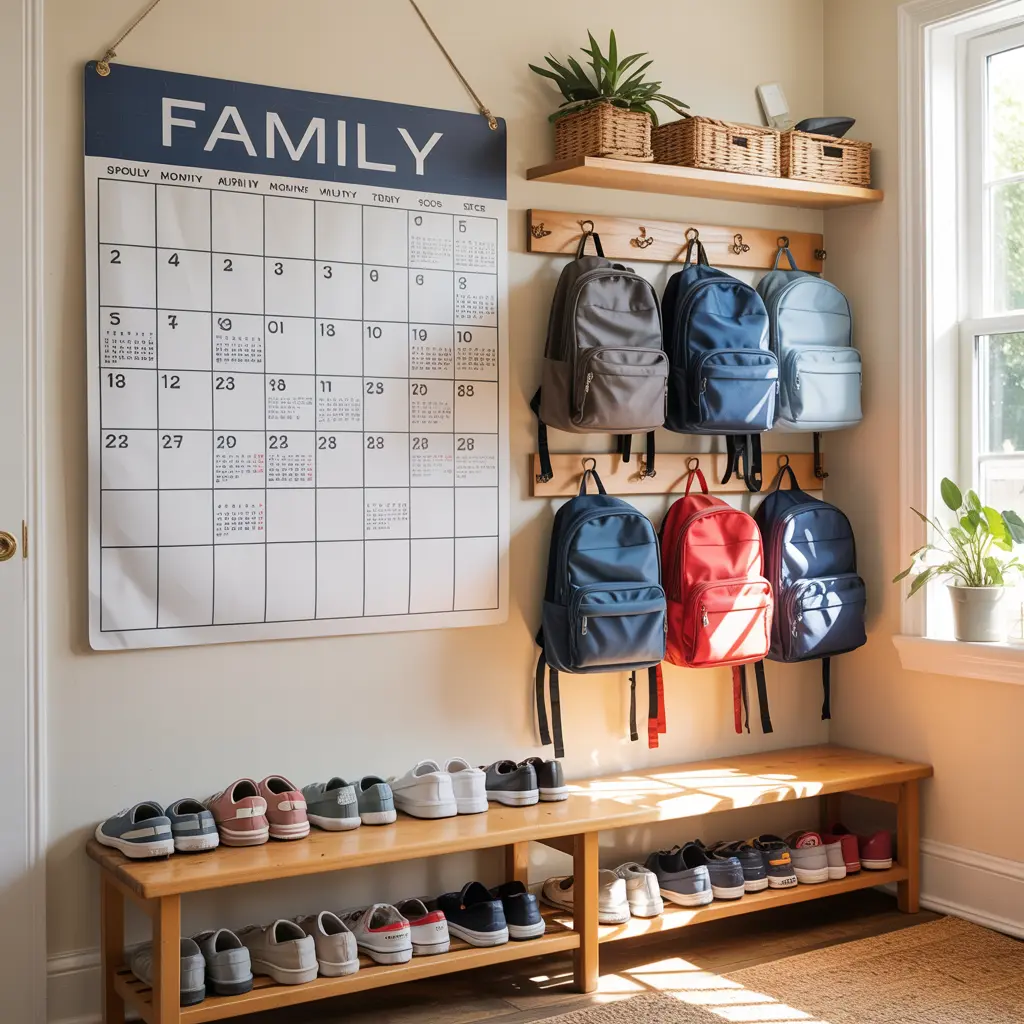
Does your school morning feel like a battlefield? Racing against the clock, searching for missing shoes, coaxing reluctant children out of bed, and arriving frazzled at the school door—this daily chaos exhausts families everywhere.
A structured school morning routine transforms this disorder into calm, predictable preparation. When children know exactly what to expect and how to complete each task, mornings shift from conflict to cooperation. This guide provides a proven 10-step checklist that reduces stress, builds independence, and gets everyone out the door on time.
You’ll learn the specific sequence that works for families with children of all ages, troubleshooting strategies for common obstacles, and night-before preparation that makes mornings nearly effortless. Whether you’re preparing a kindergartener or a high schooler, these practical steps create the foundation for successful school days.
Why School Morning Routines Matter
Morning routines provide more than just organization—they shape how children experience their entire day.
Academic Performance Benefits
Children who follow consistent morning routines arrive at school ready to learn. They’ve eaten breakfast, which stabilizes blood sugar and improves concentration. They haven’t experienced the cortisol spike that comes from rushing and conflict. Research from pediatric behavior specialists shows that predictable morning patterns help children transition more smoothly into classroom learning mode.
Emotional Regulation
Chaotic mornings trigger stress responses in both children and adults. When a child starts their day with yelling, rushing, or anxiety about being late, they carry that emotional state into school. Calm, structured mornings allow children to regulate their emotions before facing academic and social challenges.
Independence Building
Well-designed routines teach children to manage their own preparation. A five-year-old can learn to dress themselves when they know exactly which drawer holds school clothes. A middle schooler develops executive function skills by checking their backpack against a list. These small daily responsibilities compound into significant life skills.
Family Relationship Quality
Few things damage parent-child relationships like daily morning battles. When routines remove the need for constant reminding and conflict, families preserve their emotional energy for positive interactions. Parents transition from drill sergeants to supportive coaches.
Time Management Skills
Children who follow morning routines develop an internal sense of time. They learn how long breakfast takes, how much time they need to get dressed, and the importance of buffer time. These skills transfer to homework completion, project management, and eventually workplace punctuality.
How Long Should a Morning Routine Take?
The appropriate morning routine length depends on your child’s age and your family’s schedule.
Recommended Time Frames by Age
- Preschool/Kindergarten (ages 4-6): 60-90 minutes
- Elementary school (ages 6-11): 45-60 minutes
- Middle school (ages 11-14): 30-45 minutes
- High school (ages 14-18): 30-60 minutes (varies with personal care complexity)
Younger children need more time because they require adult assistance and supervision. As children develop skills and independence, routines naturally compress. However, some high schoolers may need additional time for showering, hair styling, or makeup.
Working Backward from School Start Time
Calculate your ideal wake time by working backward:
- School start time (example: 8:00 AM)
- Subtract travel time (example: 20 minutes = 7:40 AM departure)
- Subtract buffer time (example: 10 minutes = 7:30 AM target departure)
- Subtract routine completion time (example: 60 minutes = 6:30 AM wake time)
Always add 10-15 minutes of buffer time. This cushion accommodates spilled milk, lost homework, or sudden needs without triggering panic.
Quality Over Speed
Resist the temptation to compress routines too tightly. A rushed child who skips breakfast, feels stressed, and forgets materials has not experienced a successful morning—even if they arrived on time. Build routines that allow for calm completion of essential tasks.
The 10-Step School Morning Routine Checklist
This sequence creates a logical flow that minimizes decision fatigue and keeps children moving forward.
Step 1: Wake Up at the Same Time Daily
Consistent wake times regulate your child’s circadian rhythm and make mornings more predictable.
How to Implement:
- Set the alarm for the same time every school day, even if they wake naturally before it sounds
- Place the alarm across the room so children must get out of bed to turn it off
- Use sunrise alarm clocks for children who struggle with dark winter mornings
- Allow natural consequences for older children who hit snooze (they experience rushing)
Benefits:
- Body naturally becomes alert at the regular time
- Eliminates daily negotiation about wake time
- Improves nighttime sleep quality when paired with consistent bedtime
Common Mistakes:
- Letting children sleep later on “easy” mornings (disrupts rhythm)
- Parents waking children differently each day (removes independence)
- Using snooze functions repeatedly (fragments sleep quality)
Professional Tip:
Children need 9-12 hours of sleep depending on age. If your child struggles to wake, move bedtime earlier rather than accepting sleep deprivation.
Step 2: Complete Personal Hygiene Tasks
Morning hygiene prevents mid-day discomfort and teaches lifelong self-care habits.
Essential Tasks:
- Use the bathroom
- Wash face and hands
- Brush teeth (2 minutes)
- Comb or brush hair
- Apply deodorant (ages 9+)
Age-Appropriate Modifications:
Preschool/Kindergarten: Parents assist with toothbrushing and hair. Use visual charts showing each step.
Elementary: Children complete tasks independently but parents check results. Introduce flossing around age 6-7.
Middle/High School: Full independence, adding shower time, skincare routines, or styling as needed.
Time-Saving Strategies:
- Keep bathroom supplies in consistent locations
- Use two-minute timers for toothbrushing
- Prepare hairstyles the night before (braids, buns for next-day texture)
- Consider evening showers to eliminate morning wait times
Common Mistakes:
- Skipping teeth brushing when running late (builds poor habits)
- Allowing excessive time for optional grooming
- Not teaching proper techniques (leads to inefficient attempts)
Professional Tip:
Create a bathroom basket for each child containing their personal supplies. This eliminates sibling conflicts and teaches organization.
Step 3: Get Dressed in Pre-Selected Clothes
Clothing selection causes major morning delays. Eliminate this decision point entirely.
How to Implement:
- Select complete outfits the night before (including socks and shoes)
- Lay clothes out in dressing order
- Check weather forecast before choosing
- Allow children to participate in evening selection
- Keep a “favorites” rotation easily accessible
Clothing Organization Systems:
Drawer labels: “School shirts,” “School pants,” “Weekend clothes”
Weekly outfit rack: Monday through Friday sections with complete outfits
Capsule wardrobes: Limited mix-and-match pieces that all coordinate
Benefits:
- Eliminates morning decision fatigue
- Prevents outfit changes and tantrums
- Teaches planning skills
- Reduces parent-child conflicts about appropriateness
Common Mistakes:
- Allowing morning outfit changes (this restarts the entire process)
- Not checking clothing fit during evening selection (leads to morning discoveries)
- Forgetting seasonal undergarments (light socks in winter, etc.)
Professional Tip:
For children who resist pre-selection, offer limited morning choices: “Do you want the blue shirt or the green shirt?” Both were pre-approved the night before.
Step 4: Make Your Bed
This small task creates immediate accomplishment and organizational mindset.
How to Implement:
- Teach simplified bed-making appropriate to age
- Complete immediately after dressing
- Use comforters or duvets for easier process (no complex tucking)
Age-Appropriate Standards:
Ages 5-7: Pull covers up and arrange pillow
Ages 8-11: Straighten sheets, arrange covers neatly, place pillows
Ages 12+: Complete bed-making including decorative pillows if desired
Benefits:
- Starts day with completed task (builds momentum)
- Teaches responsibility for personal space
- Takes only 2-3 minutes when done daily
- Improves bedroom appearance
Common Mistakes:
- Expecting hotel-level perfection (discourages effort)
- Skipping because “they’ll just mess it up tonight”
- Not teaching the actual skill (children don’t instinctively know how)
Professional Tip:
Make bed-making easier by eliminating top sheets for younger children. A simple duvet or comforter requires only pulling up and straightening.
Step 5: Eat a Healthy Breakfast
Breakfast fuels concentration, mood stability, and energy for morning learning.
Balanced Breakfast Components:
- Protein (eggs, yogurt, nut butter, cheese)
- Complex carbohydrates (whole grain toast, oatmeal, fruit)
- Healthy fats (avocado, nuts, seeds)
Quick Options for Busy Mornings:
- Overnight oats prepared the night before
- Whole grain toast with nut butter and banana
- Greek yogurt with granola and berries
- Scrambled eggs (can be microwaved in 90 seconds)
- Smoothies with protein powder, fruit, and vegetables
- Whole grain cereal with milk and fruit
Time Management:
- Set a specific breakfast time
- Prepare what you can the night before
- Use timers if children eat slowly
- Establish a rule: breakfast before screens
Benefits:
- Stabilizes blood sugar for better focus
- Provides energy for physical activity
- Improves mood and reduces irritability
- Models healthy eating habits
Common Mistakes:
- Offering only simple carbohydrates (causes mid-morning crash)
- Allowing breakfast to be skipped routinely
- Serving portions too large (children can’t finish in time)
- Fighting battles over specific foods (creates negative associations)
Professional Tip:
Offer the same 3-5 breakfast options consistently. Decision fatigue applies to food choices too. Rotate on a predictable schedule: Monday is oatmeal, Tuesday is eggs, etc.
Step 6: Pack Backpack and Lunch
Forgetting materials creates stress and learning obstacles. Systematic packing prevents this.
Backpack Packing Process:
- Empty previous day’s items (papers, lunch containers)
- Add completed homework
- Add necessary textbooks or supplies
- Check for permission slips, money, special items
- Place backpack by the door
Lunch Packing Strategies:
- Prepare lunches the night before when possible
- Use bento-style containers with compartments
- Involve children in age-appropriate preparation
- Keep a running grocery list of lunch supplies
- Use frozen water bottles (keeps food cold, provides cold water)
Age-Appropriate Responsibility:
Ages 5-8: Parent packs, child checks against list
Ages 9-12: Child packs, parent spot-checks
Ages 13+: Full independence with occasional accountability checks
Benefits:
- Eliminates morning searching and panic
- Teaches organizational skills
- Builds responsibility for school materials
- Prevents incomplete homework submissions
Common Mistakes:
- Packing backpacks in different locations each day
- Not establishing a consistent checking system
- Parents completely controlling the process for older children
- Allowing accumulation of papers and trash in backpack
Professional Tip:
Keep a master checklist attached to the backpack: Homework folder, library book, lunch, water bottle, PE clothes (on specific days). Children check each item before zipping.
Step 7: Check Weather and Adjust Clothing
Weather-appropriate clothing prevents mid-day discomfort and calls home for forgotten items.
How to Implement:
- Check weather app or forecast together
- Add or remove layers as needed
- Prepare rain gear, winter accessories
- Apply sunscreen during sunny months
Seasonal Considerations:
Winter: Coat, hat, gloves, boots (keep in designated area by door)
Spring/Fall: Light jacket, umbrella in backpack
Summer: Sunscreen, hat, water bottle
Teaching Weather Awareness:
- Show children how to check forecasts on devices
- Discuss temperature meanings (“50 degrees means long sleeves”)
- Allow natural consequences when safe (forgot jacket, felt cold)
Benefits:
- Prevents uncomfortable school days
- Teaches planning and weather awareness
- Reduces parent stress about children’s comfort
- Builds decision-making skills
Common Mistakes:
- Checking weather too late to adjust plans
- Not keeping seasonal items accessible
- Fighting battles over weather-appropriate choices
- Not preparing backup items (jacket in backpack “just in case”)
Professional Tip:
Create a weather station near your door with thermometer visible. Children can see actual temperature and make connections between numbers and clothing needs.
Step 8: Review Daily Schedule
Knowing what’s ahead reduces anxiety and helps children mentally prepare.
What to Review:
- Special classes (PE, music, art)
- After-school activities
- Tests or projects due
- Pickup arrangements if different than usual
- Exciting events to look forward to
How to Implement:
- Keep a family calendar in a central location
- Review for 2-3 minutes during breakfast or while packing
- Allow children to ask questions about the day
- Remind about any special items needed
Benefits:
- Reduces anxiety about unknowns
- Helps children pack necessary items
- Builds time awareness and planning skills
- Creates opportunity for parent-child connection
Common Mistakes:
- Rushing through without allowing questions
- Surprising children with schedule changes
- Not maintaining an updated family calendar
- Focusing only on obligations (include fun events too)
Professional Tip:
Use color-coded calendars: each child gets their own color. This makes their specific activities immediately visible and teaches calendar reading.
Step 9: Final Checklist Check
A last-minute review catches forgotten items before leaving home.
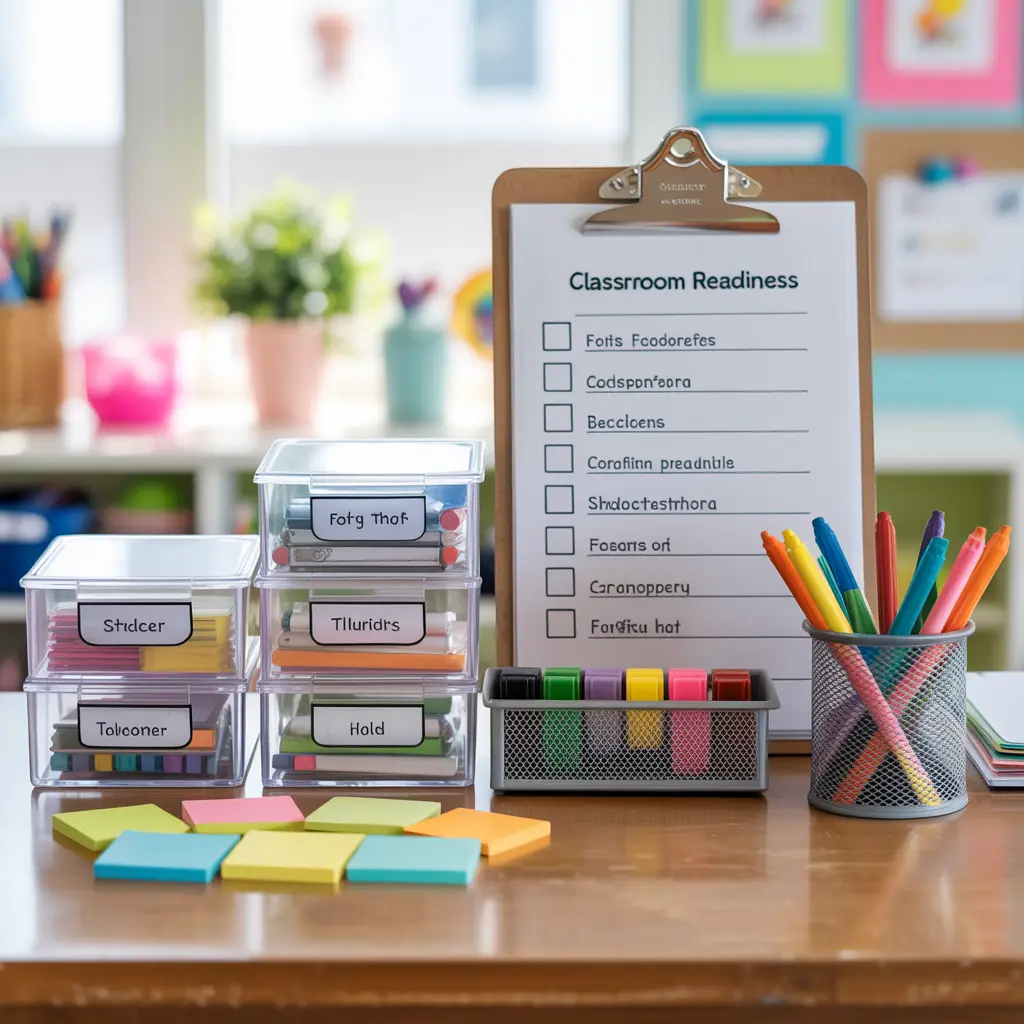
Standard Checklist Items:
□ Backpack packed
□ Lunch or lunch money
□ Water bottle
□ Homework folder
□ Signed permission slips
□ Library books (if due)
□ Special equipment (musical instrument, sports gear)
□ Weather-appropriate clothing
□ House key (if needed)
□ Charged device (if age-appropriate)
How to Implement:
- Post checklist at eye level near door
- Child reads through independently
- Parent spot-checks for younger children
- Make it the final step before leaving
Age Modifications:
Picture checklists for pre-readers
Written lists for elementary students
Mental checklists for responsible middle/high schoolers (with printed backup)
Benefits:
- Catches forgotten items before departure
- Builds responsibility and independence
- Prevents mid-commute returns home
- Creates systematic thinking habits
Common Mistakes:
- Parents checking instead of teaching children to check
- Making checklists too long or complex
- Not updating for seasonal or schedule changes
- Skipping when running late (exactly when it’s most needed)
Professional Tip:
Laminate the checklist and provide a dry-erase marker. Children check off each item and wipe clean for the next day. The physical action reinforces the habit.
Step 10: Leave with Buffer Time
Departing 10-15 minutes earlier than absolutely necessary eliminates stress and rushing.
Why Buffer Time Matters:
- Accommodates unexpected delays (bathroom needs, spills, lost item)
- Prevents speeding and unsafe driving
- Allows calm goodbyes
- Reduces cortisol response from rushing
- Builds punctuality habits
How to Calculate:
- Know your absolute minimum travel time
- Add 10 minutes for walking/driving
- Add 5 minutes for unexpected needs
- Set this as your departure time
Benefits:
- Arrives at school calm and ready
- Prevents tardiness records
- Teaches planning and time management
- Reduces parent stress
- Allows social time before school starts
Common Mistakes:
- Calculating based on “perfect scenario” timing
- Using buffer time for additional tasks
- Not accounting for weather or traffic variations
- Rushing even with buffer time (it becomes wasted)
Professional Tip:
Track actual departure and arrival times for one week. Most families discover they need more buffer time than they estimate.
Quick Summary:
These 10 steps create a complete system that transforms mornings from chaotic to calm. The sequence builds logically, with each step preparing for the next, and the entire routine becomes automatic within 3-4 weeks of consistent practice.

Age-Specific Morning Routine Modifications
Different developmental stages require different levels of support and independence.
Preschool/Kindergarten (Ages 4-6)
Parental Involvement: High supervision and assistance
Key Modifications:
- Visual picture schedules showing each step
- Parent assistance with all hygiene tasks
- Very simple breakfast options
- Parent packs backpack completely
- Constant cheerful reminders
- Extra time for every task
Realistic Expectations:
Children this age are still developing executive function skills. They cannot remember sequences independently and will need reminders for each step. Focus on building familiarity with the routine rather than independence.
Early Elementary (Ages 6-9)
Parental Involvement: Moderate supervision with increasing independence
Key Modifications:
- Transition from picture to written checklists
- Children brush teeth independently but parent checks
- Simple clothing choices (parent approves outfit night before)
- Child begins packing own backpack with parent review
- Timer use to stay on schedule
- Positive reinforcement systems (sticker charts)
Realistic Expectations:
Children can complete most tasks independently but need accountability checks. They benefit from external motivation systems and respond well to praise.
Late Elementary (Ages 9-12)
Parental Involvement: Light supervision with spot-checks
Key Modifications:
- Independent completion of hygiene and dressing
- Increased breakfast preparation involvement
- Full backpack packing responsibility with occasional parent audit
- Use of alarms and timers without parent prompting
- Natural consequences for forgotten items (when safe)
Realistic Expectations:
This age group can manage most of their routine independently. Parents shift to coach role, offering support when requested rather than directing every action.
Middle School (Ages 12-14)
Parental Involvement: Minimal supervision with accountability systems
Key Modifications:
- Complete morning independence
- Possible addition of shower/extensive personal care
- Full responsibility for time management
- Parent reviews packed backpack weekly rather than daily
- Natural consequences for all routine failures
- Problem-solving conversations about obstacles
Realistic Expectations:
Pre-teens and early teens should manage their entire routine. Parents provide the structure (consistent wake time, available breakfast) but children execute independently.
High School (Ages 14-18)
Parental Involvement: Environmental support only
Key Modifications:
- Possible earlier wake time for before-school activities
- Complete autonomy for all routine elements
- May prepare own breakfast or purchase at school
- Potentially responsible for own transportation
- Parent role is ensuring routine structure exists, not managing it
Realistic Expectations:
Teenagers preparing for adulthood should manage their complete morning routine. Parents maintain household systems (groceries available, alarm clock functional) but do not intervene in daily execution.
Night-Before Preparation Checklist
The most successful mornings begin with thorough evening preparation.
Essential Evening Tasks:
□ Choose complete outfit (including shoes and outerwear)
□ Pack backpack (homework, textbooks, folders, library books)
□ Prepare lunch (or ensure lunch money is ready)
□ Check daily schedule (special activities, early dismissal, etc.)
□ Charge devices (tablets, laptops, phones as age-appropriate)
□ Review homework completion
□ Place special items by door (permission slips, show-and-tell, sports equipment)
□ Set breakfast table (bowls, spoons, place settings)
□ Prep breakfast ingredients (overnight oats, cut fruit, etc.)
□ Check weather forecast (add seasonal items to outfit)
Ideal Evening Preparation Time:
Complete these tasks 30-60 minutes before bedtime. This ensures children aren’t too tired to participate and allows time to locate missing items before stores close.
Benefits:
- Eliminates most morning decisions
- Reduces items that can be forgotten
- Allows problem-solving when stores are open
- Creates calmer bedtime (children know tomorrow is prepared)
- Teaches planning and preparation skills
Common Mistakes:
- Completing evening prep too close to bedtime
- Parents doing everything while children watch TV
- Skipping evening prep on “easy” days (breaks routine consistency)
- Not involving children in age-appropriate preparation
Professional Tip:
Create a parallel evening routine checklist. When morning and evening routines work together, the entire system becomes nearly effortless.
Common Morning Routine Obstacles (And Solutions)
Even with solid systems, families encounter predictable challenges.
Problem: Child Won’t Wake Up
Underlying Causes:
- Insufficient sleep (too-late bedtime)
- Poor sleep quality
- Natural late chronotype (“night owl”)
- Oppositional behavior
Solutions:
- Move bedtime 15 minutes earlier each week until child wakes more easily
- Remove screens 1 hour before bed (blue light disrupts sleep)
- Use sunrise alarm clocks that gradually increase light
- Open curtains immediately upon waking (natural light helps alertness)
- Allow natural consequences: rushing through routine, arriving disheveled
- Consult pediatrician if sleep difficulties persist
Problem: Excessive Dawdling
Underlying Causes:
- No internal sense of time passing
- Distraction by toys, pets, or siblings
- Passive resistance to school attendance
- Executive function challenges
Solutions:
- Use visual timers showing time remaining
- Remove distractions from routine path (close bedroom door after dressing)
- Implement “when/then” language: “When you’re dressed, then you can play with the dog”
- Offer time-based rewards: “If you finish by 7:30, you’ll have 10 minutes of free choice”
- Break tasks into smaller steps with individual time limits
Problem: Constant Sibling Conflicts
Underlying Causes:
- Competition for parent attention
- sharing bathroom or spaces
- Different pace/readiness levels
- Developmental stage conflicts
Solutions:
- Stagger wake times by 15-30 minutes when possible
- Assign separate bathrooms or bathroom time slots
- Create individual checklists rather than shared expectations
- Ignore minor squabbles that don’t prevent routine completion
- Implement consequence: conflicts delay the slower child, not everyone
- Schedule one-on-one parent time outside of mornings
Problem: Forgetting Essential Items
Underlying Causes:
- Lack of systematic checking
- Items stored in inconsistent locations
- Insufficient evening preparation
- Executive function weaknesses
Solutions:
- Use the final checklist religiously (no exceptions)
- Implement one backpack location always
- Complete thorough evening packing
- For chronic forgetters: natural consequences (forgot lunch, purchase cafeteria food from allowance)
- Create phone-based reminders for older students
- Use sticky notes on doors for special items that day
Problem: Morning Power Struggles
Underlying Causes:
- Child seeks control in life areas
- Inconsistent parental responses
- Unrealistic routine expectations
- Underlying anxiety about school
Solutions:
- Offer choices within routine: “Dress first or breakfast first?”
- Stay calm and emotionally neutral (reduce power struggle reward)
- Use natural consequences instead of punishments
- Investigate school concerns (bullying, academic struggles, social anxiety)
- Implement reward systems for cooperation
- Maintain absolutely consistent responses
Problem: Parent Running Late Too
Underlying Causes:
- Insufficient parent wake time
- Trying to accomplish too many tasks
- Poor evening preparation
- Email/phone checking before leaving
Solutions:
- Wake before children to complete personal routine
- Prepare own work items evening before
- Set phone to “do not disturb” until departure
- Model the routine you expect from children
- Use timers for your own tasks
- Eliminate optional morning tasks (save for lunch breaks)
Visual Tools and Charts That Work
Children respond well to visual supports that make abstract routines concrete.
Picture Schedule Charts
Best for: Pre-readers and early elementary
How to Create:
- Take photos of your child doing each routine step
- Mount on poster board in sequence
- Add simple text labels
- Laminate for durability
- Hang at child’s eye level
Benefits: Children can “read” the chart independently and see themselves succeeding at each task.
Checklist Charts
Best for: Readers (ages 6+)
How to Create:
- List each step clearly
- Add checkbox or space for sticker
- Use daily or weekly format
- Allow child to personalize with drawings/colors
Benefits: Provides satisfaction of checking off completed items and creates accountability.
Timer Tools
Best for: All ages
Effective Options:
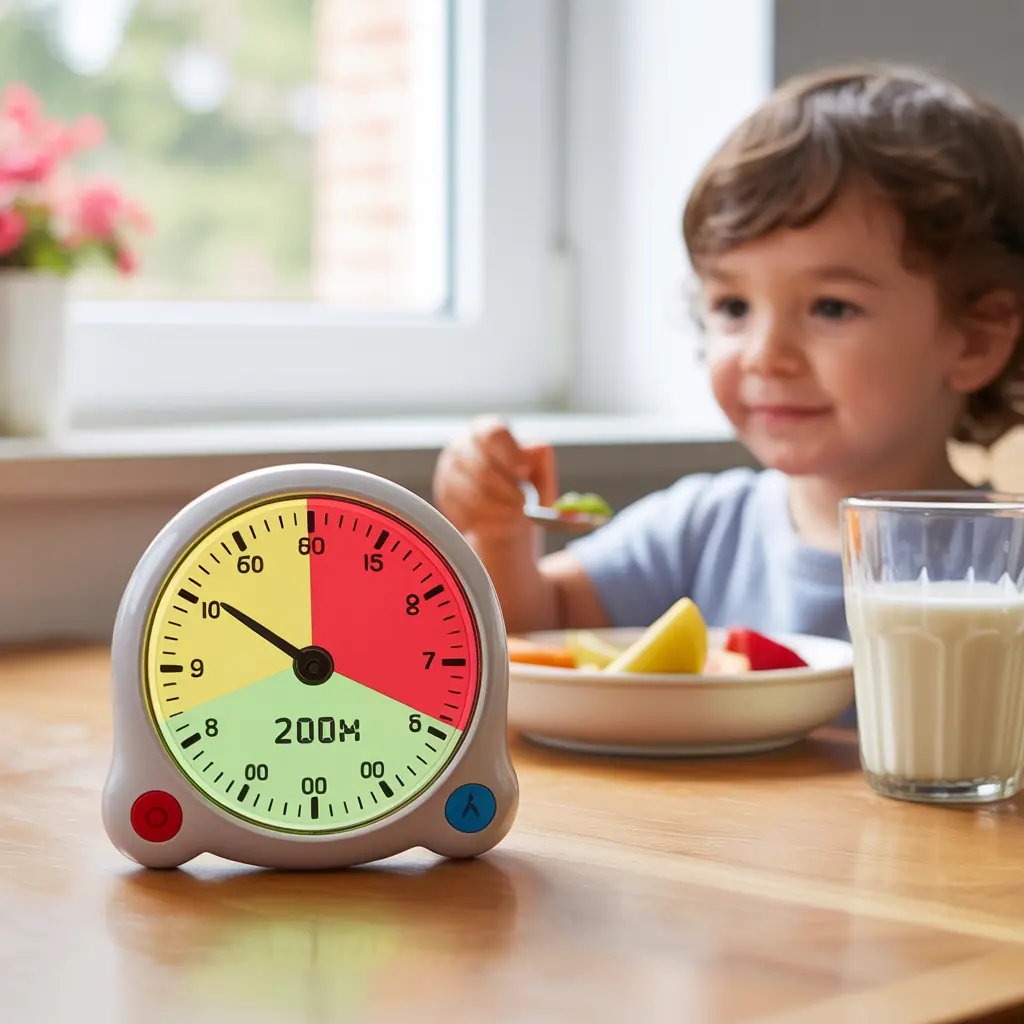
- Visual timers showing red section shrinking
- Sand timers for specific tasks (2-minute tooth brushing)
- Phone/tablet timer apps with alarms
- Smartwatch timers for older children
Benefits: Makes time passage visible and creates urgency without parent nagging.
Clothing Organization Systems
Best for: All ages with modifications
Effective Options:
- Drawer labels with pictures or words
- Weekly outfit organizer with five compartments
- Laying out clothes on floor “person” shape
- Outfit photos children can reference
Benefits: Eliminates morning clothing decisions and builds independence.
Family Command Center
Best for: Families with multiple children
Components:
- Large family calendar
- Individual mailboxes/bins for each child
- Homework station
- Backpack hooks
- Key hooks
- Charging station
Benefits: Centralizes all routine-related items and information in one location.
How to Handle Morning Resistance
Opposition to routines is normal, especially during implementation.
Stay Emotionally Neutral
Morning battles often escalate because parents respond emotionally to resistance. Practice calm, matter-of-fact responses:
- Not effective: “I am so tired of fighting with you every single morning!”
- Effective: “I see you’re having trouble getting started. What’s your first step?”
Use Natural Consequences
When safe and age-appropriate, allow children to experience the results of their choices:
- Dawdling during breakfast? Breakfast time ends at 7:30, ready or not.
- Forgot homework? Experience teacher conversation and lowered grade.
- Refused weather-appropriate clothes? Feel uncomfortable and learn for tomorrow.
Natural consequences teach far more effectively than lectures.
Offer Limited Choices
Children resist when they feel powerless. Provide choices within your acceptable parameters:
- “Do you want to get dressed first or eat breakfast first?”
- “Would you like eggs or oatmeal?”
- “Do you want to set the timer for 5 minutes or 10 minutes?”
Positive Reinforcement Systems
Many children respond well to earning privileges or rewards:
- Sticker charts leading to special activity
- Extra screen time for smooth mornings
- Special breakfast choice on Friday if cooperative all week
- Allowance bonuses for independence
Problem-Solve Together
When resistance continues, schedule a calm conversation outside of morning time:
- “I noticed mornings are hard. What makes them difficult for you?”
- “What would help you get ready more easily?”
- Listen without dismissing their perspective
- Collaborate on solutions
Set and Maintain Boundaries
Some routines are non-negotiable:
- School attendance (barring illness)
- Basic hygiene
- Safe, weather-appropriate clothing
- Arrival time
Communicate these clearly and enforce with calm consistency.
Time-Saving Morning Hacks
Small efficiency improvements create significant time gains.
Breakfast Shortcuts
- Prep smoothie ingredients in bags the night before (just blend and go)
- Use egg cooker devices (perfect eggs while completing other tasks)
- Create breakfast stations with grab-and-go options
- Prepare muffins or breakfast bars weekly
- Use divided plates for balanced meals without multiple dishes
Clothing Efficiencies
- Keep only current season clothes in drawers (store off-season items)
- Dress in layers always (easier than weather-guessing)
- Choose easy-care fabrics that don’t require ironing
- Buy multiple pairs of favorite socks (reduces matching time)
- Use mesh laundry bags for each child’s socks
Bathroom Solutions
- Install double sinks if possible
- Create individual supply caddies for each child
- Use shower timers to prevent excessive time
- Keep hair in simple styles during school week
- Consider every-other-day hair washing
Kitchen Organization
- Designate specific cabinet for breakfast items only
- Use clear containers for cereals and ingredients
- Keep breakfast dishes in lower cabinets children can reach
- Prep fruit for the week on Sundays
- Use divided lunch containers (faster packing)
Technology Assistance
- Set automatic lights to turn on at wake time
- Use smart speakers for routine reminders (“Alexa, remind us to check backpacks”)
- Pre-program coffee makers and slow cookers
- Use phone alarms for transition times
- Set up automatic calendar alerts for special schedule days
Building Long-Term Morning Habits
Routines require consistent implementation before becoming automatic.
The First Two Weeks: Active Teaching
During initial implementation:
- Walk through each step together
- Provide constant gentle reminders
- Praise specific behaviors: “You remembered to brush your teeth without a reminder!”
- Expect imperfect execution
- Stay patient and positive
Weeks Three and Four: Transitioning Responsibility
As routines become familiar:
- Reduce reminder frequency
- Ask: “What’s next?” instead of telling
- Allow children to use their checklist independently
- Implement natural consequences for skipped steps
- Celebrate increasing independence
After One Month: Habit Formation
Once routines become automatic:
- Children complete steps without conscious thought
- Parent supervision decreases significantly
- Routines feel easier than chaos felt before
- Family stress decreases noticeably
- Children may prompt siblings or parents
Maintaining Habits Long-Term
Established routines still need support:
- Revisit routines after long breaks (summer, winter holidays)
- Update as children mature and needs change
- Address slipping habits before they deteriorate completely
- Regularly acknowledge the success: “Our mornings are so much calmer now!”
Adjusting for Life Changes
Modify routines when circumstances shift:
- New baby joining family
- Change in parent work schedule
- Moving to new home
- Different school start time
- Diagnosis requiring accommodation
COMPARISON TABLES
Morning Routine Time Requirements by Age
| Age Group | Total Time Needed | Level of Independence | Parental Role |
|---|---|---|---|
| Preschool (4-5) | 60-90 minutes | Low (20% independent) | Direct assistance, constant supervision |
| Early Elementary (6-8) | 45-60 minutes | Medium (50% independent) | Supervision with reminders, checking |
| Late Elementary (9-11) | 45-60 minutes | Medium-High (75% independent) | Light supervision, spot checks |
| Middle School (12-14) | 30-45 minutes | High (90% independent) | Minimal oversight, accountability systems |
| High School (14-18) | 30-60 minutes | Very High (95%+ independent) | Environmental support only |
Morning Routine Obstacles: Quick Reference
| Problem | Primary Cause | Best Solution | Implementation Time |
|---|---|---|---|
| Won’t wake up | Insufficient sleep | Earlier bedtime | 1-2 weeks |
| Excessive dawdling | Poor time awareness | Visual timers | Immediate |
| Sibling conflicts | Competing for resources | Staggered wake times | Immediate |
| Forgets items | No checking system | Final checklist | 1 week |
| Power struggles | Seeks control | Offer limited choices | 2-3 weeks |
| Parent running late | Too many tasks | Evening preparation | 1 week |
Breakfast Options: Quick Comparison
| Breakfast Type | Prep Time | Nutrition Score | Kid Appeal | Best For |
|---|---|---|---|---|
| Overnight oats | 5 min (evening) | Excellent | Medium | Busy mornings |
| Scrambled eggs + toast | 8-10 minutes | Excellent | High | Moderate time available |
| Smoothie | 5 minutes | Very Good | High | Picky eaters |
| Yogurt parfait | 3 minutes | Very Good | High | Quick mornings |
| Whole grain cereal + fruit | 2 minutes | Good | High | Minimal time |
| Breakfast sandwich | 10-12 minutes | Very Good | Very High | Weekend practice |
CHECKLISTS
Daily Morning Routine Checklist (Elementary Age)
□ Wake up at set time (no snooze)
□ Use bathroom
□ Wash face and hands
□ Brush teeth for 2 minutes
□ Comb hair
□ Get dressed in clothes chosen last night
□ Make bed
□ Eat healthy breakfast
□ Pack backpack (check homework, books, folders)
□ Pack lunch or get lunch money
□ Check weather and adjust clothing
□ Put on shoes
□ Final check: backpack, lunch, water bottle, special items
□ Leave with extra time
Night-Before Preparation Checklist
□ Complete all homework
□ Choose tomorrow’s outfit (including shoes)
□ Lay out clothes in order
□ Pack backpack with completed homework
□ Add textbooks needed for tomorrow
□ Check for permission slips or special items
□ Prepare lunch or ensure lunch money ready
□ Set breakfast table
□ Prep breakfast ingredients if possible
□ Charge devices
□ Check tomorrow’s schedule for special activities
□ Set alarm
□ Place any special items by door
Weekly Morning Routine Maintenance
□ Restock breakfast supplies
□ Prep grab-and-go breakfast items
□ Check backpack for accumulated papers/trash
□ Review upcoming week schedule
□ Prepare any special items needed (field trip permission, picture day outfit)
□ Evaluate what worked and what needs adjustment
□ Wash lunch containers and water bottles
□ Restock lunch supplies
Monthly Routine Review
□ Assess current wake time (still appropriate?)
□ Review morning time requirements (need adjustments?)
□ Check clothing fits/season appropriate
□ Evaluate breakfast rotation (introduce new options?)
□ Discuss with children what’s working
□ Address any emerging obstacles
□ Update checklist for developmental changes
□ Celebrate successes
DECISION FRAMEWORKS
Should You Wake Children Earlier? Decision Tree
Is your child frequently late to school?
- Yes → Check current wake time calculation
- Do they have enough time for routine?
- No → Wake 15-30 minutes earlier
- Yes → Problem is execution, not time (address dawdling/resistance)
- Do they have enough time for routine?
- No → Current wake time is working
Does your child skip breakfast or hygiene tasks?
- Yes → Insufficient time
- Wake 15 minutes earlier
- Prepare more the night before
- No → Continue current schedule
Is your child exhausted in the evening?
- Yes → May need earlier bedtime, not earlier wake time
- Move bedtime earlier by 15-minute increments
- Maintain same wake time
- No → Current schedule is appropriate
Choosing the Right Visual Support Tool
Child’s age:
- Ages 3-6: Picture schedule with photos
- Ages 6-9: Combination picture and word checklist
- Ages 9-12: Written checklist with checkboxes
- Ages 12+: Digital reminders or mental checklist with printed backup
Child’s learning style:
- Visual learners: Charts, pictures, color-coding
- Kinesthetic learners: Physical checklist items to move or check
- Auditory learners: Verbal reminders, songs, timers with sounds
Primary challenge:
- Remembering sequence: Picture schedule or numbered list
- Time management: Visual timers
- Completing tasks thoroughly: Detailed checklist
- Independence building: Self-check system
When to Use Natural Consequences vs. Intervention
Use Natural Consequences When:
- Child is old enough to learn from experience (typically 7+)
- Consequence is safe (uncomfortable but not dangerous)
- Consequence is timely (happens soon after choice)
- You can emotionally handle allowing the consequence
- Example: Forgot lunch, buys cafeteria food with allowance
Intervene When:
- Safety is at risk
- Legal requirements involved (truancy)
- Consequence is disproportionate to action
- Child has disability affecting executive function
- Example: Forgot diabetes supplies (deliver to school)
FAQS
How long does it take to establish a school morning routine?
Most families see significant improvement within two weeks and full habit formation within 3-4 weeks of consistent implementation. The key is absolute consistency—following the routine every school day without exceptions during this initial period. Younger children may need up to six weeks for complete automaticity. If you haven’t seen progress after four weeks, evaluate whether the routine expectations are age-appropriate and whether you’re providing adequate support during the learning phase.
What time should my child wake up for school?
Work backward from school start time: add your travel time, add 10-15 minutes buffer, then add the routine completion time (45-90 minutes depending on age). For example, if school starts at 8:00 AM and travel takes 20 minutes, target a 7:30 AM departure time with buffer. For a kindergartener needing 60 minutes, wake time would be 6:30 AM. Older children with 45-minute routines could wake at 6:45 AM. Adjust based on your child’s individual pace.
My child refuses to follow the morning routine. What should I do?
First, ensure the routine expectations are age-appropriate and you’ve taught each step clearly. Then implement natural consequences calmly and consistently. If a child dawdles, time keeps moving—breakfast ends at the set time whether they’re ready or not. Stay emotionally neutral; resistance often seeks an emotional reaction. Offer limited choices to provide some control: “Do you want to dress first or eat first?” If resistance continues beyond two weeks, schedule a non-morning conversation to understand underlying concerns (school anxiety, bullying, learning difficulties, need for control). Consider whether your child might benefit from evaluation for ADHD or executive function challenges.
Should morning routines be the same on weekends?
Wake time should remain within 30-60 minutes of the school wake time to maintain circadian rhythm. However, weekend mornings can be more relaxed with flexible timing for routine steps. Maintaining some structure prevents “Sunday night insomnia” where children can’t fall asleep at their school bedtime. Consider a simplified weekend routine that includes basic hygiene and breakfast but allows more free time and later completion.
How do I handle morning routines with multiple children of different ages?
Create individual checklists tailored to each child’s developmental level and capabilities. Stagger wake times by 15-30 minutes if bathroom or kitchen space is limited. Assign older children areas of independence while you assist younger ones. Use the older child’s routine completion as incentive for younger siblings: “Look how well your brother stayed on schedule!” Avoid comparisons that shame but celebrate individual progress. Consider pairing an older child with younger sibling as “morning buddy” if they have supportive relationship.
What if we tried a routine before and it didn’t work?
Most routine failures occur due to: expectations too complex for child’s age, parents inconsistent in implementation, insufficient teaching during introduction phase, or attempting to change too many behaviors simultaneously. When reintroducing routines: start with 3-5 core steps rather than complete 10-step system, teach each step explicitly, implement with absolute consistency for minimum three weeks, and add complexity only after core routine is automatic. Also evaluate whether previous routine timing was unrealistic for your child’s pace.
My child has ADHD. Will a morning routine work for them?
Children with ADHD often benefit tremendously from routine structure but may need additional supports: more frequent and varied reminders, visual timers placed in each location (bathroom, bedroom, kitchen), breaking tasks into smaller sub-steps, potential medication timing to support morning focus, and extended time allowances. Use positive reinforcement systems liberally. Some families find mornings work better when children shower and dress the night before, sleep in next-day clothes, and minimize morning decisions. Work with your child’s healthcare provider to optimize any medication timing for morning executive function support.
Should I reward my child for following their morning routine?
Initial reward systems can help establish new habits, particularly for children who respond well to external motivation. Effective rewards include: sticker charts leading to chosen activity, extra weekend screen time earned through weekday cooperation, special breakfast choice on Friday after successful week, or small allowance bonuses. Gradually fade structured rewards as routines become automatic, transitioning to occasional celebration: “You’ve done such a great job with mornings this month—let’s go to the park Saturday.” The routine itself should eventually become self-rewarding through reduced stress and increased independence.
How do I maintain the routine during school breaks and holidays?
Maintain the same wake time within one hour, even during breaks, to preserve circadian rhythm. However, allow more flexibility in routine timing and completion. Consider creating a separate “break routine” that includes basic hygiene and breakfast but adds enjoyable activities like reading time or creative play. Before returning to school, reinstitute the full school routine 2-3 days in advance. This prevents the jarring Monday return and helps children reacclimate. Treat summer break as its own routine system, then deliberately transition back to school routine one week before school starts.
What if I’m not a morning person and struggle with my own routine?
Parent modeling significantly impacts child success, so address your routine first. Wake 15-30 minutes before children to complete your personal preparation. Prepare your own work items the evening before. Use the same tools you expect children to use: timers, checklists, and buffer time. If you’re genuinely not alert in early morning, simplify the routine to essential elements and prepare more extensively the night before. Consider whether a co-parent or older teen can lead morning supervision on your most difficult days. For single parents, prep everything possible the night before and use alarms extensively.









Leave a Reply